EN
EN

how-to-store-bulk-kraft-paper-filter-tips-without-deformation, how-to-store-bulk-kraft-paper-filter-tips-without-deformation, /news
EN
2026/09/01
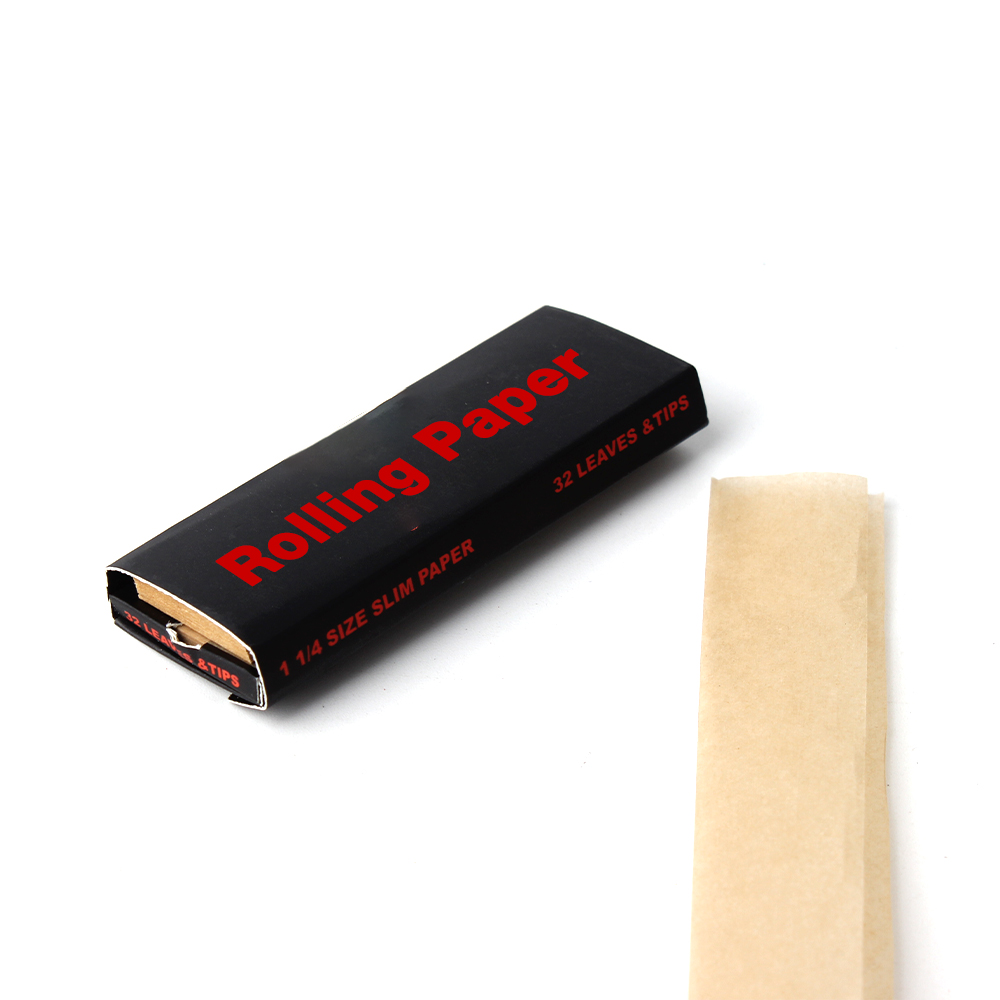
Protecting your custom filter tips bulk order from deformation during storage is a critical concern for businesses and retailers managing large quantities of kraft paper tips. These delicate products require careful handling and strategic storage conditions to maintain their shape, integrity, and usability over extended periods. Understanding the fundamentals of proper bulk storage and kraft paper tips preservation ensures that your inventory remains in pristine condition and ready for distribution or sale.

The investment in a bulk order of kraft paper tips represents a significant commitment to quality and operational efficiency. However, this investment is only realized when your storage practices protect against common threats like humidity, temperature fluctuations, crushing pressure, and environmental contamination. This guide walks you through proven strategies for maintaining shape stability and moisture control, ensuring your bulk inventory delivers consistent performance when your customers need it most.
Kraft paper tips are engineered for precise functionality, and their cylindrical form is essential to that performance. When stored improperly, these tips absorb moisture and deform under pressure, losing their structural integrity. Shape stability is not merely cosmetic—deformed tips may not fit properly in their intended applications, leading to customer complaints and potential returns. For anyone managing a bulk order, understanding these vulnerabilities is the first step toward effective preservation.
Humidity is the primary enemy of kraft paper products. Kraft paper is inherently hygroscopic, meaning it naturally absorbs moisture from the air. Excessive moisture content causes the cellulose fibers to swell, warping the delicate shape of your tips. Temperature swings compound this problem by creating condensation cycles that introduce moisture when conditions change. For bulk storage, these environmental stressors accumulate across large quantities, making small deviations from ideal conditions potentially catastrophic across your entire inventory.
Maintaining moisture control is the cornerstone of successful kraft paper tips preservation. The ideal relative humidity for bulk storage of kraft paper products ranges between 40 and 50 percent. At these levels, the paper maintains equilibrium without absorbing or releasing excessive moisture. Invest in a digital hygrometer to monitor conditions continuously, and use desiccant packs or silica gel within sealed storage containers to absorb ambient moisture. For larger bulk storage facilities, consider commercial dehumidification systems that maintain consistent environmental conditions year-round, protecting your entire inventory from humidity-related deformation.
Temperature should remain stable between 18 and 24 degrees Celsius, avoiding extreme heat or cold that stresses the kraft paper structure. Seasonal changes often trigger the most damaging moisture events—warm summer air followed by cool evening temperatures creates condensation inside storage containers. Plan your bulk storage location away from direct sunlight, heating vents, air conditioning units, and exterior walls where temperature fluctuations are most pronounced. If your storage area experiences seasonal shifts, invest in climate control equipment or relocate inventory to a climate-controlled warehouse during vulnerable months.
The container itself determines whether your kraft paper tips maintain shape stability or gradually deform under pressure. Use rigid, moisture-resistant containers such as plastic storage bins, cardboard boxes with protective liners, or specialized kraft paper storage cases designed for bulk order protection. Never stack containers directly on concrete floors, which wicks moisture upward; instead, use wooden pallets or shelving units that allow air circulation beneath packages. When filling containers, avoid overpacking—excessive compression forces deform tips at the bottom of the stack. Implement a layer-and-separator approach: place tips in a single layer, add a protective cardboard or kraft paper separator, and repeat. This method distributes weight evenly and preserves shape stability across your entire bulk inventory.
Stagnant air within storage areas accelerates moisture accumulation and creates microenvironments where humidity reaches harmful levels. Install low-speed fans to promote gentle, consistent air circulation throughout your storage space. Avoid storing bulk orders directly against walls; leave at least 30 centimeters of clearance to allow air movement and prevent localized moisture buildup. Periodically rotate your inventory using a first-in-first-out system, which naturally promotes air exposure and reduces the risk of long-term deformation in forgotten batches. These simple ventilation practices significantly enhance shape stability across your bulk storage operation.
Establish a routine inspection schedule to catch early signs of deformation or moisture damage before problems spread across your entire bulk order. Monthly inspections should include opening sample containers from different storage locations, checking for visible warping, testing tip consistency, and recording hygrometer readings. Document all findings in a storage log, noting temperature, humidity, and any observed issues. This data reveals patterns—perhaps certain storage areas experience higher humidity—allowing you to implement targeted improvements. Regular monitoring transforms bulk storage from a passive process into an active quality control system.
Maintain detailed records of when each portion of your bulk order arrived, where it is stored, environmental conditions during storage, and when it was shipped or used. This documentation system enables rapid response if deformation issues arise, helping you identify exactly which batches may have been affected and when. Implement strict first-in-first-out rotation to ensure older inventory moves before new stock arrives, preventing any tips from languishing in storage long enough to develop chronic deformation problems. This systematic approach protects both the quality of your bulk storage and your reputation with customers.
Check humidity levels at least twice weekly using a calibrated hygrometer. For critical bulk storage operations, continuous digital monitoring systems provide real-time alerts when conditions drift outside the safe 40–50 percent range. This frequency ensures early detection of environmental problems before they affect your kraft paper tips inventory.
Regular plastic bags trap moisture and promote condensation, making them unsuitable for long-term bulk storage of kraft paper tips. Instead, use breathable kraft paper bags inside rigid containers, or invest in moisture-barrier storage solutions specifically designed for kraft paper products. These containers provide protection while allowing controlled air exchange that prevents moisture accumulation.
If deformation occurs, immediately assess your storage environment for humidity and temperature issues. Remove affected tips from bulk storage, increase ventilation and dehumidification, and check nearby batches for similar problems. Deformed tips may sometimes recover if returned to ideal conditions for several weeks, but prevention through proper moisture control and shape stability measures is far more effective than attempting recovery.