EN
EN

injection-molding-precision-for-custom-plastic-rolling-tray-production, injection-molding-precision-for-custom-plastic-rolling-tray-production, /news
EN
2026/08/24
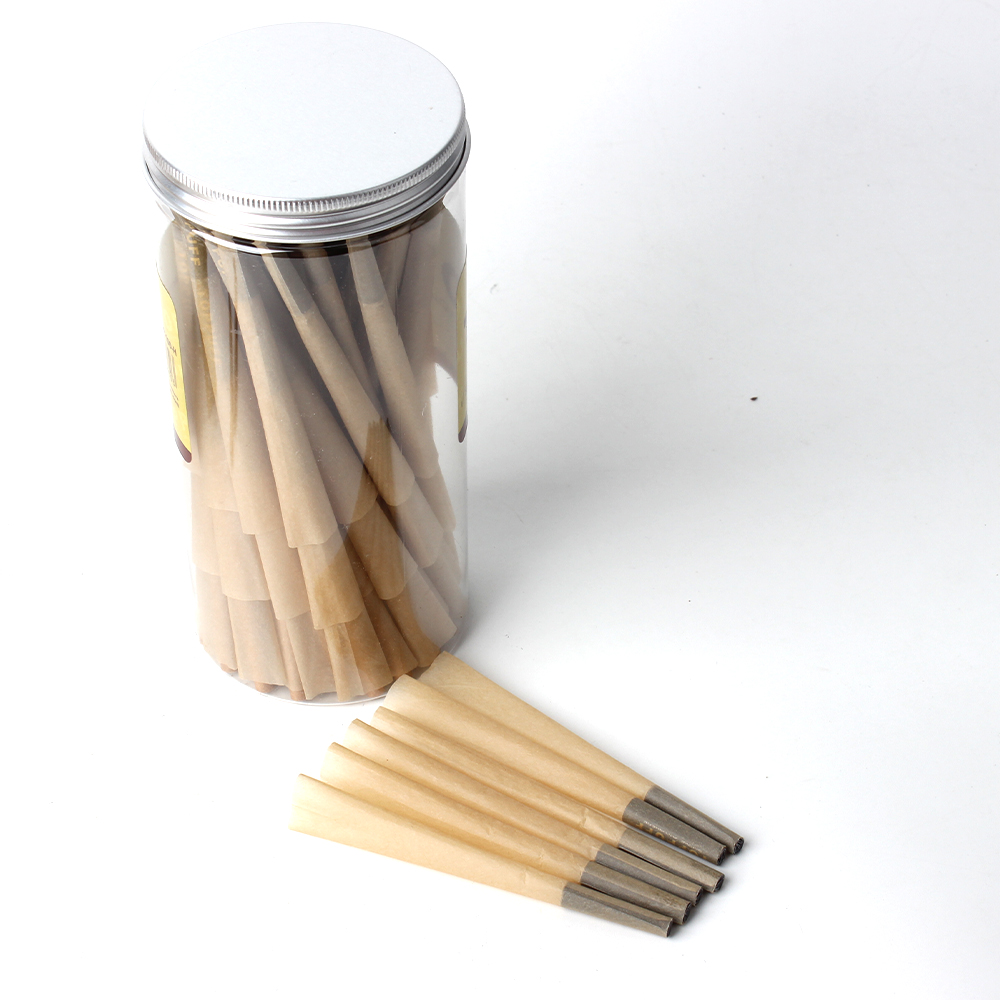
Precision injection molding has revolutionized the production of custom rolling trays, enabling manufacturers to deliver products that meet exacting specifications while maintaining cost efficiency. This advanced manufacturing process transforms raw plastic materials into finished components with tolerances measured in fractions of a millimeter, ensuring that every custom plastic tray meets quality standards. For businesses requiring custom rolling trays with branded elements, exact dimensions, or specialized features, injection molding offers unmatched precision and repeatability.
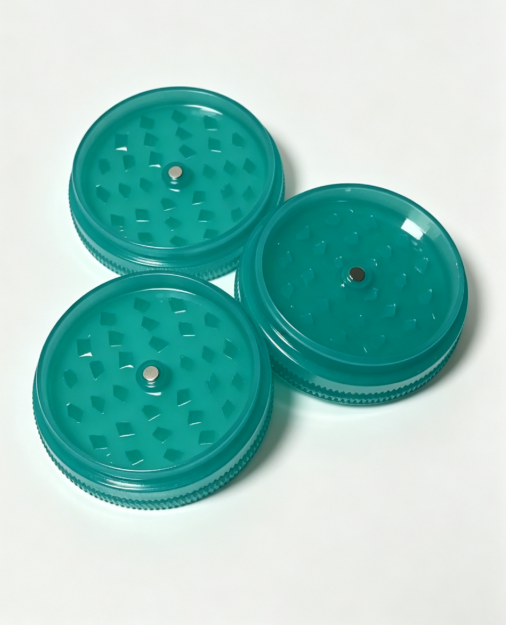
The production of branded rolling trays demands both technical expertise and material science understanding. Injection molding delivers superior control over wall thickness, surface finish, color consistency, and structural integrity compared to traditional manufacturing methods. When designing a lightweight tray or custom plastic tray for commercial distribution, manufacturers must balance material selection, cooling strategies, and mold design to achieve optimal results within tight production schedules.
Injection molding works by heating thermoplastic resin to a molten state, forcing it under high pressure into a precision-engineered steel mold cavity, and allowing it to cool and solidify into the final shape. This process excels at producing custom rolling trays because the mold geometry can be engineered to exact specifications, incorporating undercuts, ribs, texture variations, and functional features in a single cycle. The repeatability of injection molding means that the first custom plastic tray produced matches the thousandth unit, maintaining consistent wall thickness, dimensional accuracy, and visual appeal across entire production runs.
Selecting the right thermoplastic resin directly impacts the performance of lightweight tray designs. Polypropylene remains the industry standard for rolling trays due to its chemical resistance, flexibility, and cost-effectiveness, while advanced polymers like polyethylene terephthalate offer superior rigidity when custom plastic tray designs require structural strength. The choice between materials affects weight, durability, heat resistance, and surface quality, making material selection a critical decision when developing branded rolling tray specifications. Precision injection molding allows manufacturers to achieve optimal material thickness distributions, reducing weight while maintaining strength in high-stress areas of the custom rolling trays.
Precision mold design determines whether custom rolling trays will meet functional and aesthetic requirements. Modern computer-aided design and simulation allow engineers to predict cooling patterns, shrinkage rates, and potential defects before mold construction begins. For lightweight tray applications, mold designers must calculate precise wall thicknesses that reduce material volume without compromising structural integrity, while maintaining the ability to eject the finished custom plastic tray cleanly from the mold cavity. Tolerance control typically ranges from ±0.1mm to ±0.25mm depending on design complexity and material properties, ensuring that branded rolling tray components fit properly within product assemblies.
Real-time monitoring systems track pressure, temperature, and cycle time throughout each production run, enabling immediate detection of variations that could affect custom rolling trays quality. Automated inspection equipment measures critical dimensions on sample units pulled from production lines, verifying that wall thickness, depth, and surface finish remain within specification. For custom plastic tray production at volume, statistical process control methods help manufacturers maintain consistency across thousands of units while the injection molding equipment automatically compensates for minor material or temperature fluctuations that could otherwise compromise lightweight tray performance or branded rolling tray appearance.
Although precision molds require significant upfront investment, the per-unit cost of injection-molded custom rolling trays decreases dramatically with production volume, making this process ideal for businesses planning medium to large-scale manufacturing. The process runs continuously with minimal operator intervention, producing thousands of custom plastic tray units daily once the mold reaches thermal equilibrium. For branded rolling tray programs where consistency and professional appearance drive brand perception, injection molding eliminates post-production finishing costs and labor-intensive assembly steps, delivering lightweight tray products ready for immediate distribution or packaging without additional processing.
Businesses can incorporate distinctive branding elements directly into custom rolling trays through mold design, including embossed logos, textured surface areas, color variations, and functional innovations that competitors cannot easily replicate. Injection molding enables rapid design iteration and mold modifications when market feedback suggests improvements to lightweight tray ergonomics or branded rolling tray aesthetics. The manufacturing flexibility of precision injection molding supports small design changes without requiring entirely new equipment investments, allowing businesses to refresh custom plastic tray designs seasonally or respond quickly to emerging customer preferences while maintaining production efficiency and cost control.
Polypropylene dominates lightweight tray production because it combines low density, excellent chemical resistance, and cost-effectiveness, making it the preferred choice for most custom rolling trays. For applications requiring additional rigidity or heat resistance, polyethylene terephthalate or acrylic-modified materials provide superior performance in custom plastic tray designs. The final material selection depends on intended use, storage conditions, and whether the branded rolling tray requires food-grade certification or specialized properties beyond standard applications.
Precision mold design combined with automated process controls maintains dimensional consistency across all custom rolling trays produced. Temperature sensors, pressure transducers, and cooling system management prevent variations that could affect lightweight tray dimensions or compromise branded rolling tray specifications. Statistical process control methods help manufacturers detect trends before they produce out-of-specification custom plastic tray units, ensuring that every component meets established tolerances throughout multi-month production campaigns.
Injection molding becomes economically favorable for custom rolling trays when production requirements exceed 5,000 to 10,000 units annually, depending on design complexity and mold costs. Businesses planning lightweight tray production at smaller volumes might consider compression molding or rotational molding alternatives, while those targeting 50,000 or more annual units benefit significantly from the per-unit cost reductions that custom plastic tray injection molding delivers at scale. Branded rolling tray programs with multi-year commitments make precision injection molding the clear choice for maximizing profitability and maintaining competitive pricing.