EN
EN

interleaving-mechanics-and-dispensing-efficiency-in-unbleached-rolling-papers, interleaving-mechanics-and-dispensing-efficiency-in-unbleached-rolling-papers, /news
EN
2026/08/25

The design and mechanics of unbleached rolling papers have evolved significantly to meet consumer demands for convenience and quality. Modern unbleached rolling papers incorporate sophisticated interleaving techniques that directly impact how easily each leaf separates and dispenses during use. Understanding these mechanical innovations reveals why some rolling papers deliver superior user experience compared to basic alternatives. The interleaved paper leaves structure, combined with strategic booklet folding, creates a product that feels natural in hand while maintaining functional precision.
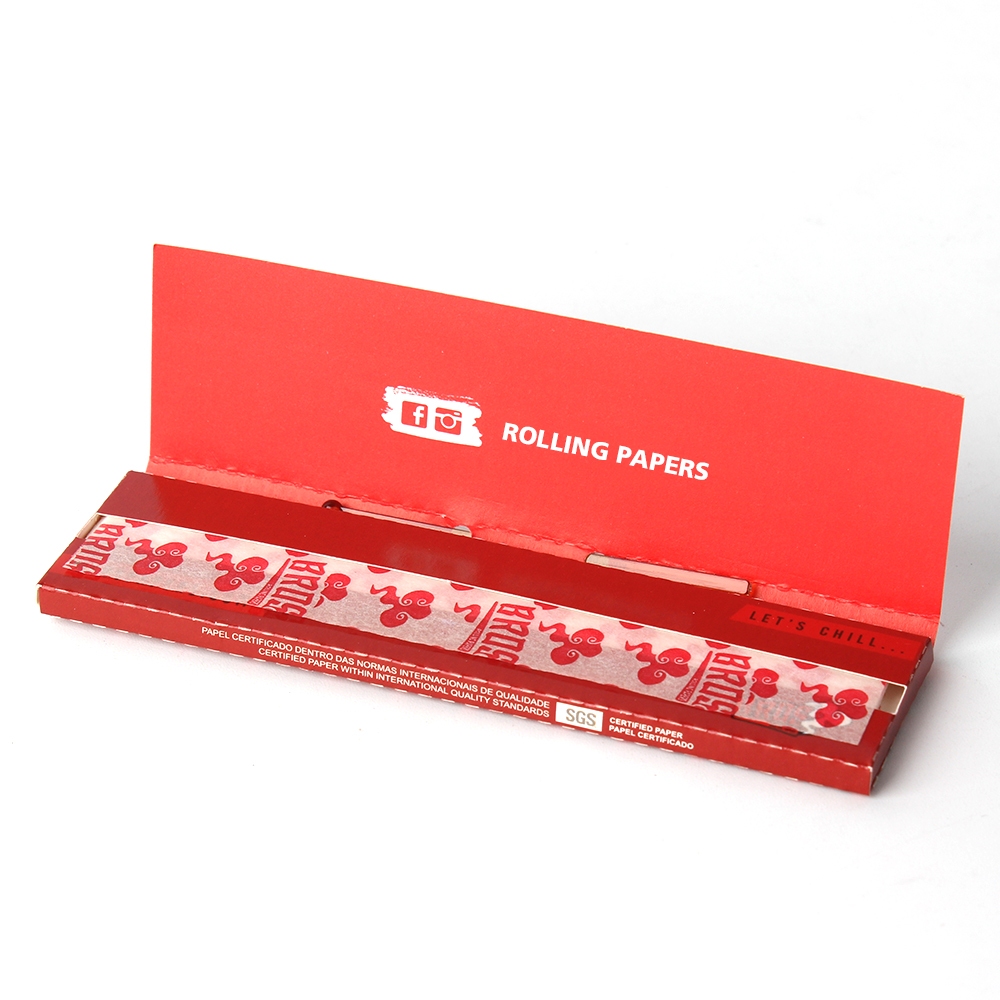
When examining unbleached rolling papers, the interleaving mechanics represent a critical component that manufacturers often overlook in their specifications. These papers must balance structural integrity with dispensing ease, requiring precise control over leaf separation and spacing throughout the booklet. The smooth dispensing paper quality depends heavily on how manufacturers position each leaf and the thickness variations between layers. This balance transforms rolling papers from basic commodity items into thoughtfully engineered products that enhance the overall user experience while maintaining environmental benefits of unbleached materials.
Interleaved paper leaves are positioned with precise spacing to prevent static adhesion and unwanted sticking. Each leaf in a booklet of unbleached rolling papers requires individual separation capability, achieved through careful material selection and layering techniques. The interleaving mechanics work by creating micro-gaps between each sheet that allow fingers to grip and pull a single leaf without dragging adjacent papers along. This mechanical precision distinguishes premium unbleached rolling papers from lower-cost alternatives that often suffer from multiple sheets dispensing simultaneously.
Proper interleaving of paper leaves generates tangible benefits beyond convenience alone. Smooth dispensing paper reduces user frustration and paper waste, as consumers spend less time separating stuck leaves or dealing with torn edges. The interleaved paper leaves configuration also protects the delicate unbleached rolling papers from environmental moisture absorption, which can compromise sheet flexibility. Manufacturers investing in advanced interleaving mechanics demonstrate commitment to product quality and user satisfaction, translating to brand loyalty and premium positioning in competitive markets.
Booklet folding represents the architectural foundation upon which smooth dispensing paper functionality rests. The fold creates the spine that houses all interleaved paper leaves, requiring precise engineering to prevent tearing at the fold line during use. Unbleached rolling papers manufactured with advanced booklet folding techniques maintain structural integrity even after the first leaf separates, ensuring consistent dispensing throughout the booklet's life. The folding angle, paper grain alignment, and adhesive application at the spine collectively influence how smoothly each sheet releases during consumption.
The booklet folding design directly determines whether smooth dispensing paper achieves optimal separation performance. When folds are executed with precision machinery, the interleaved paper leaves benefit from consistent tension distribution across the entire stack. Manufacturers who invest in specialized equipment for booklet folding can reduce leaf separation resistance while maintaining protective properties. This optimization becomes particularly important for unbleached rolling papers, where natural material variations require tighter tolerance control to guarantee reliable dispensing across every sheet in each booklet.
Manufacturing unbleached rolling papers with consistent interleaving mechanics requires rigorous quality control throughout production. Paper thickness must remain uniform across all sheets, as even minor variations disrupt smooth dispensing paper performance. Manufacturers calibrate machinery to deliver precise leaf spacing within micrometers, ensuring interleaved paper leaves separate predictably every single time. The unbleached rolling papers production process demands regular testing and adjustment to maintain these exacting standards, distinguishing industrial-grade producers from basic manufacturers.
State-of-the-art facilities producing Unbleached Rolling Papers employ automated systems that combine precision folding with intelligent leaf separation technology. Modern booklet folding equipment applies controlled pressure patterns that optimize the interleaving mechanics without damaging delicate paper fibers. Smooth dispensing paper quality emerges from this technological sophistication, where multiple manufacturing steps must coordinate seamlessly. Leading producers invest continuously in equipment upgrades and process refinement to push unbleached rolling papers closer to perfection in both material quality and user functionality.
The practical benefits of advanced interleaving mechanics become evident during actual use of unbleached rolling papers. Smooth dispensing paper allows consumers to work efficiently without handling frustration, particularly important for users with reduced manual dexterity or in situations requiring quick paper access. Interleaved paper leaves that separate consistently enhance perceived quality and justify premium pricing in the market. Professional users, smoke shops, and retail partners increasingly demand these performance characteristics because customer satisfaction directly impacts repeat purchases and business reputation.
Unbleached rolling papers represent an environmentally conscious choice that gains further appeal when combined with excellent dispensing mechanics. The natural fibers resist chemical bleaching, preserving ecological benefits throughout the product lifecycle. Advanced booklet folding and interleaved paper leaves engineering ensure minimal paper waste during use, amplifying the sustainability advantage over conventional alternatives. Manufacturers committed to both environmental responsibility and user experience create unbleached rolling papers that satisfy conscious consumers demanding products aligned with their values.
Interleaved paper leaves utilize precisely calibrated spacing between each sheet to prevent static adhesion and unwanted sticking. This mechanical design allows users to separate single sheets cleanly without dragging adjacent leaves, creating smooth dispensing paper that feels premium and performs reliably. The interleaving mechanics essentially eliminate the frustration of multiple sheets dispensing simultaneously, which common in poorly engineered rolling papers.
Booklet folding serves as the structural framework that holds all interleaved paper leaves in optimal tension and alignment. Precise folding ensures consistent separation resistance across every sheet in the booklet, while protecting the fold line from tearing during use. The quality of booklet folding directly determines whether unbleached rolling papers achieve truly smooth dispensing paper performance or suffer from inconsistent separation challenges that frustrate consumers.
Manufacturers investing in advanced interleaving mechanics distinguish their unbleached rolling papers in competitive markets by delivering superior user experience and reliability. Smooth dispensing paper commands premium pricing and builds brand loyalty, as consumers recognize and value the engineering excellence reflected in consistent, effortless sheet separation. The mechanical sophistication of interleaved paper leaves demonstrates commitment to quality that extends beyond material selection alone, positioning producers as industry leaders rather than commodity suppliers.