EN
EN

material-selection-criteria-for-highperformance-custom-filter-tips, material-selection-criteria-for-highperformance-custom-filter-tips, /news
EN
2026/09/09
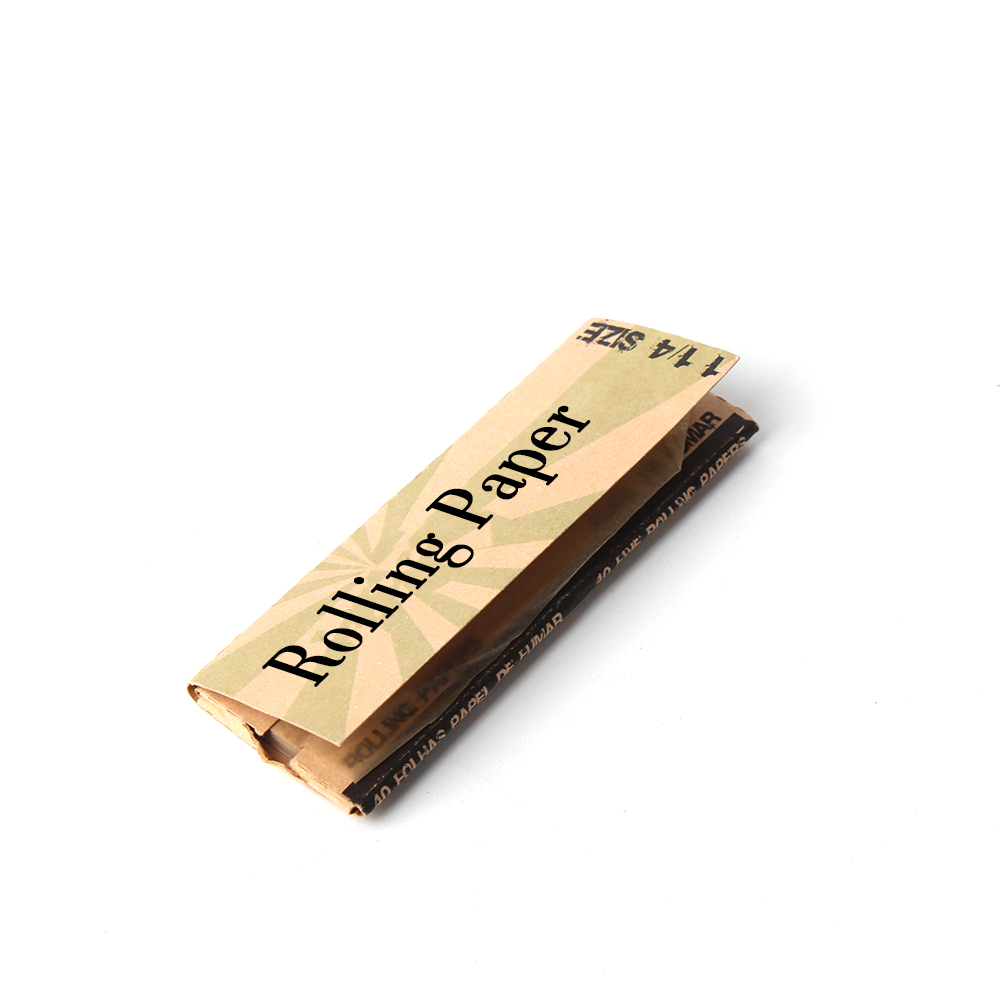
Selecting the right materials for custom filters is one of the most critical decisions for manufacturers and distributors seeking to deliver superior products to their customers. The material composition directly affects filtration efficiency, product durability, user experience, and overall performance characteristics. When developing or sourcing custom filters, understanding how different materials impact functionality ensures your product meets industry standards and customer expectations. This comprehensive guide walks you through the essential material selection criteria that drive successful filter design and manufacturing.
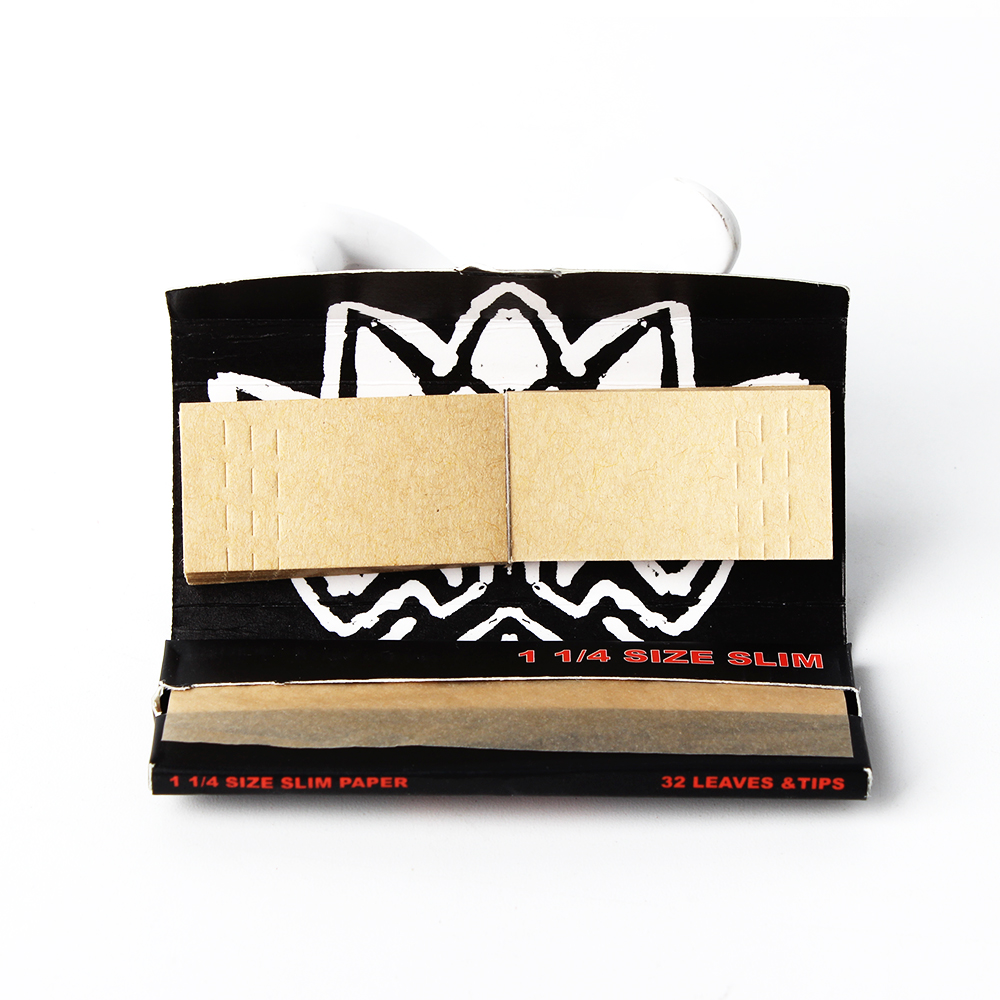
The foundation of any high-performance filter system rests on material science principles combined with practical engineering constraints. Whether you are designing custom filters for industrial applications, consumer products, or specialized niches, the material choices you make determine purity levels, airflow resistance, lifespan, and cost structure. Modern filter development increasingly emphasizes sustainability, safety, and user health, which has elevated the importance of choosing unbleached tips, natural paper substrates, and chlorine free filters as standard rather than optional features.
The fiber material selected for your custom filters forms the backbone of filtration performance. Natural paper fibers provide excellent particle capture efficiency while maintaining reasonable airflow dynamics. Unbleached tips constructed from cellulose or similar organic materials offer superior performance compared to synthetic alternatives because they naturally conform to pressure changes without degrading structural integrity. The fiber diameter, density, and weave pattern collectively determine how effectively the filter captures contaminants while minimizing resistance to flow. Custom filters manufactured with premium natural paper demonstrate measurably higher contaminant removal rates and longer functional lifespan compared to standard commercial alternatives.
Many manufacturers apply surface treatments to enhance filter performance, but this decision significantly impacts whether your custom filters remain chlorine free and truly natural. Chlorine-based bleaching processes, while cost-effective, introduce chemical residues that compromise product purity and user safety. Unbleached materials require alternative processing methods that preserve the natural fiber structure and eliminate harmful chemical exposure. The coating layer applied to custom filters must facilitate proper adhesion, prevent fiber shedding, and maintain structural rigidity under operational stress without introducing toxins or allergens into the final product.
Identifying reliable suppliers of premium natural paper forms a foundational step in manufacturing superior custom filters. Natural paper selected for filter applications must meet rigorous purity standards, consistent density specifications, and predictable performance characteristics across manufacturing batches. The pulping process used to create natural paper significantly influences final filter quality. Kraft pulping and mechanical pulping methods produce natural paper with different strength profiles and filtration properties. For custom filters designed for demanding applications, kraft-processed natural paper typically outperforms other methods because it preserves fiber length and strength while maintaining sustainable production practices without harsh chemical treatments.
Before committing natural paper substrates to production, comprehensive testing ensures they meet your custom filters performance specifications. Burst strength testing, tear resistance measurement, and air permeability assessment reveal how natural paper will behave under real operational conditions. Many manufacturers establish baseline performance metrics for their natural paper suppliers to guarantee consistency across production runs. Testing chlorine free paper batches confirms the absence of chemical residues and validates that unbleached processing methods were properly executed. Documentation of test results protects your reputation and provides customers with verifiable evidence that your custom filters meet declared specifications.
The shift toward chlorine free filters represents a significant market evolution driven by consumer health awareness and regulatory pressure. Traditional bleaching employs chlorine-based compounds including chlorine gas, hypochlorite, and chlorine dioxide to achieve bright white paper coloration. These chemical residues persist in finished products and can transfer to users through direct contact or inhalation. Chlorine free filters manufactured through oxygen-based, ozone, or hydrogen peroxide bleaching eliminate these toxins while producing equally bright and functionally superior unbleached tips. The health advantage of chlorine free custom filters particularly matters for products in close proximity to respiratory systems or oral contact applications where chemical exposure poses measurable risk.
Regulatory frameworks across major markets increasingly mandate chlorine free and natural paper requirements for consumer products. European Union standards, North American guidelines, and emerging markets implement testing protocols that verify the absence of dioxins and other chlorine-related contaminants. Certification from recognized standards bodies validates that your custom filters meet international compliance requirements and protects against liability exposure. Third-party audits of manufacturing processes provide independent confirmation that unbleached processing methods were properly implemented throughout production. Customers increasingly request certification documentation as evidence that custom filters meet safety standards and align with health-conscious brand positioning.
Establishing clear specifications with suppliers ensures that custom filters you procure consistently meet your performance and material standards. Detailed technical briefs should specify required fiber composition, unbleached processing methods, chlorine free status, density ranges, and performance metrics for natural paper components. Site visits to manufacturing facilities allow you to observe production practices directly and verify that unbleached and chlorine free claims are genuine. Long-term partnerships with suppliers enable collaborative problem-solving when performance inconsistencies emerge and facilitate continuous improvement of custom filters. Establishing backup suppliers prevents supply chain disruption and provides leverage for negotiating favorable pricing and lead times.
Premium materials for custom filters and unbleached tips typically command higher prices than conventional alternatives, but strategic sourcing reduces cost premiums. Bulk purchasing consolidates volume discounts while maintaining consistent material quality across extended production cycles. Understanding the true cost drivers within your supply chain reveals opportunities to optimize spending without sacrificing performance. Some manufacturers discover that chlorine free natural paper actually reduces waste and processing time because the material behaves more predictably during manufacturing. Investing in higher-quality natural paper substrates often reduces customer returns and warranty claims, offsetting the incremental material cost through improved profitability.
High-performance custom filters require comprehensive testing including burst strength measurement, air permeability assessment, tear resistance evaluation, and contaminant capture efficiency validation. Chlorine-free materials must undergo chemical residue analysis to confirm the absence of dioxins and other harmful compounds. Microbial testing confirms that natural paper substrates meet purity standards. Accelerated aging tests simulate extended storage and use conditions to verify that unbleached tips maintain structural integrity over time. Documentation of all test results provides evidence of compliance and builds customer confidence in product quality.
Unbleached tips manufactured from quality natural paper typically outperform bleached alternatives because the fibers retain their inherent strength and flexibility. Bleaching processes can damage fiber structure and introduce chemical residues that compromise long-term durability. Custom filters with unbleached tips demonstrate superior airflow characteristics, improved contaminant capture, and extended lifespan under operational stress. While bleached alternatives appear brighter visually, the performance advantages of unbleached tips justify the aesthetic compromise. Consumer preference increasingly favors unbleached products due to health and environmental concerns, making them the commercially advantageous choice despite traditional industry assumptions.
Chlorine free filters typically involve a modest price premium relative to conventionally bleached alternatives, ranging from five to fifteen percent depending on material sourcing and manufacturing scale. However, the total cost of ownership often favors chlorine free custom filters because they generate fewer customer returns, reduced warranty claims, and enhanced brand reputation that supports pricing power. Bulk purchasing, long-term supplier relationships, and process optimization reduce the cost differential considerably. Many manufacturers find that the market preference for chlorine free and natural paper materials allows them to command premium pricing that more than offsets incremental production costs, ultimately improving profitability despite higher material expenses.