EN
EN

material-sourcing-for-sustainable-pulp-in-rolling-paper-booklet-production, material-sourcing-for-sustainable-pulp-in-rolling-paper-booklet-production, /news
EN
2026/08/28

The demand for rolling paper booklets has grown significantly as consumers become more environmentally conscious about their purchasing choices. Manufacturers producing rolling paper booklets face mounting pressure to source materials responsibly while maintaining quality and cost efficiency. Sustainable material sourcing is no longer a competitive advantage—it has become a business necessity for companies operating in this space.
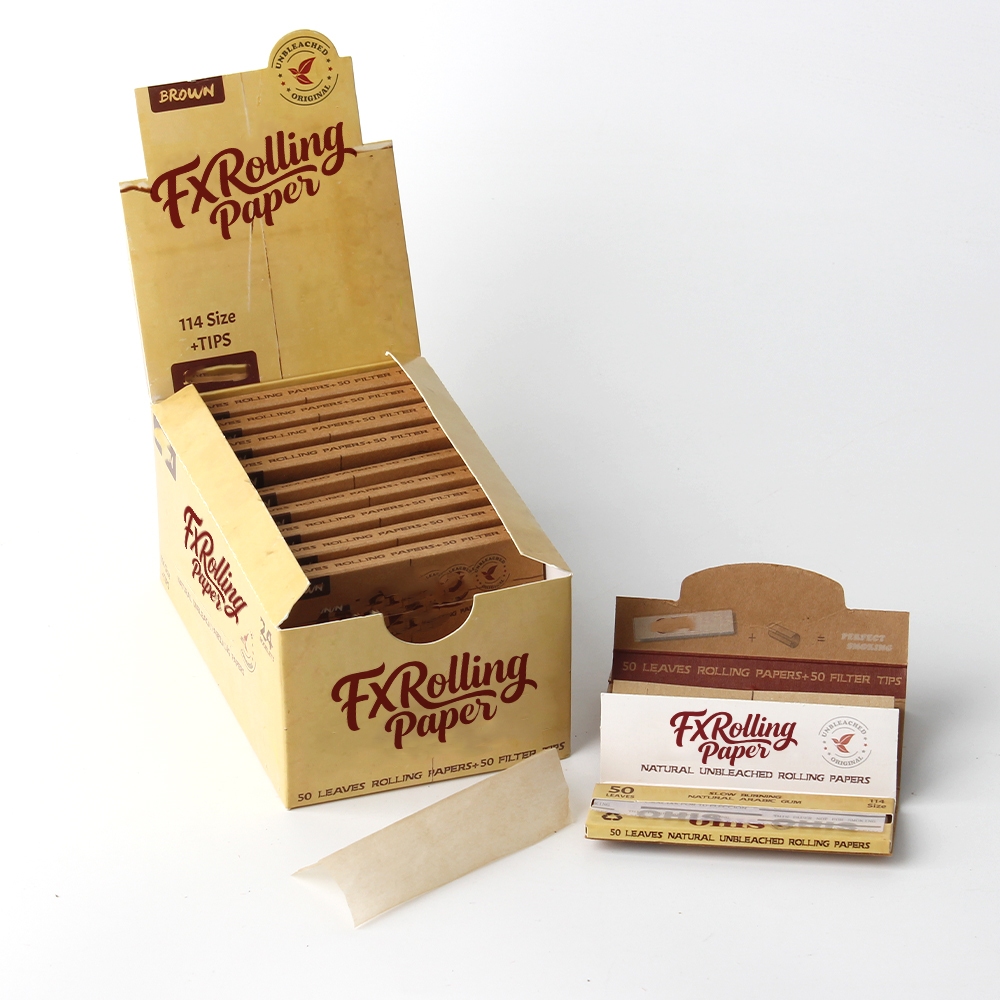
Sustainable rolling paper production begins with understanding the full supply chain of eco paper booklet materials. From pulp sourcing through manufacturing and packaging, each stage impacts the environmental footprint of your final product. Green booklet packaging requires strategic partnerships with suppliers who share your commitment to responsible forestry, waste reduction, and ethical labor practices. This guide explores the critical decisions and resources needed to build a truly sustainable rolling paper booklet operation.
The foundation of any sustainable rolling paper booklet begins with responsibly sourced pulp. Certification systems such as FSC (Forest Stewardship Council), PEFC (Programme for the Endorsement of Forest Certification), and SFI (Sustainable Forestry Initiative) verify that pulp originates from forests managed according to environmental and social standards. When selecting suppliers for your eco paper booklet production, prioritize mills holding these certifications to ensure compliance with international sustainability benchmarks. Certified pulp costs more initially but reduces regulatory risk and builds consumer trust in your brand.
Incorporating recycled fiber into rolling paper booklets significantly lowers environmental impact compared to virgin pulp alone. Agricultural waste fibers—such as hemp, flax, and bamboo—offer excellent alternatives for sustainable rolling paper manufacturers seeking differentiation. These materials require less processing than traditional wood pulp and often deliver superior burning characteristics valued by end users. Green booklet packaging enhanced with recycled content messaging appeals directly to environmentally aware consumers and strengthens market positioning.
Effective sustainable material sourcing depends on evaluating suppliers against environmental criteria beyond price alone. Conduct thorough audits of pulp mills to verify sustainability claims, check compliance certifications, and assess waste management practices. Building long-term relationships with eco paper booklet suppliers creates opportunities for continuous improvement and volume discounts. Direct engagement with mills allows you to influence production methods, reduce transportation emissions, and secure supply chain transparency that resonates with end customers.
Rolling paper booklets demand consistent fiber characteristics—brightness, opacity, tensile strength, and burn rate—regardless of the sustainable sourcing approach. Establish clear specifications for pulp suppliers and implement incoming material testing to prevent quality variance. Sustainable rolling paper does not mean compromising performance. Advanced pulping technologies now enable mills to produce eco paper booklet material meeting or exceeding traditional specifications while reducing chemical usage and water consumption. Regular collaboration with suppliers on quality data helps identify sustainable improvements that benefit both environmental performance and product consistency.
Sustainable material sourcing typically involves higher upfront costs than conventional approaches, presenting a significant challenge for rolling paper booklets manufacturers operating on narrow margins. Strategic sourcing—such as volume commitments, direct mill relationships, and blended fiber approaches—can offset premium pricing. Green booklet packaging investments often generate returns through brand differentiation, regulatory compliance, and access to premium market segments willing to pay for verified sustainability. Many manufacturers find that phased transitions toward eco paper booklet materials reduce financial strain compared to immediate wholesale conversion.
Sourcing sustainable materials requires comprehensive documentation to support claims and meet evolving regulations. Maintain clear records of certification documents, mill audits, and fiber composition throughout the rolling paper booklets supply chain. Many jurisdictions now require transparency in environmental claims, making third-party verification essential for green booklet packaging assertions. Investing in track-and-trace systems enables you to provide end customers with detailed sustainability documentation, strengthening market credibility and reducing compliance risk.
Eco paper booklet sources emphasize certified forests, recycled content, lower-chemical processing, and reduced water usage compared to conventional rolling paper booklets. While the end product delivers similar performance, the production pathway emphasizes environmental responsibility at each stage. Green booklet packaging typically carries third-party certifications verifying sustainability claims, allowing consumers to make informed choices aligned with their values.
Sustainable rolling paper typically costs 10 to 25 percent more than standard materials initially, depending on fiber type and certification level. However, volume purchasing, direct mill relationships, and blended fiber strategies can narrow this gap significantly. Many rolling paper booklets manufacturers offset costs through premium pricing and market positioning, finding that eco paper booklet differentiation attracts price-insensitive consumer segments seeking green booklet packaging solutions.
FSC certification is globally recognized and most relevant for rolling paper booklets and eco paper booklet materials, particularly in Europe and North America. PEFC and SFI serve important regional roles and offer equivalent credibility in their respective markets. For green booklet packaging, holding at least one major certification provides third-party verification of sustainable sourcing practices and protects against greenwashing accusations. Verify that certifications apply specifically to pulp production rather than just forestry operations to ensure supply chain integrity.