EN
EN

moisture-barrier-coatings-for-paperboard-preroll-packaging-boxes, moisture-barrier-coatings-for-paperboard-preroll-packaging-boxes, /news
EN
2026/09/16
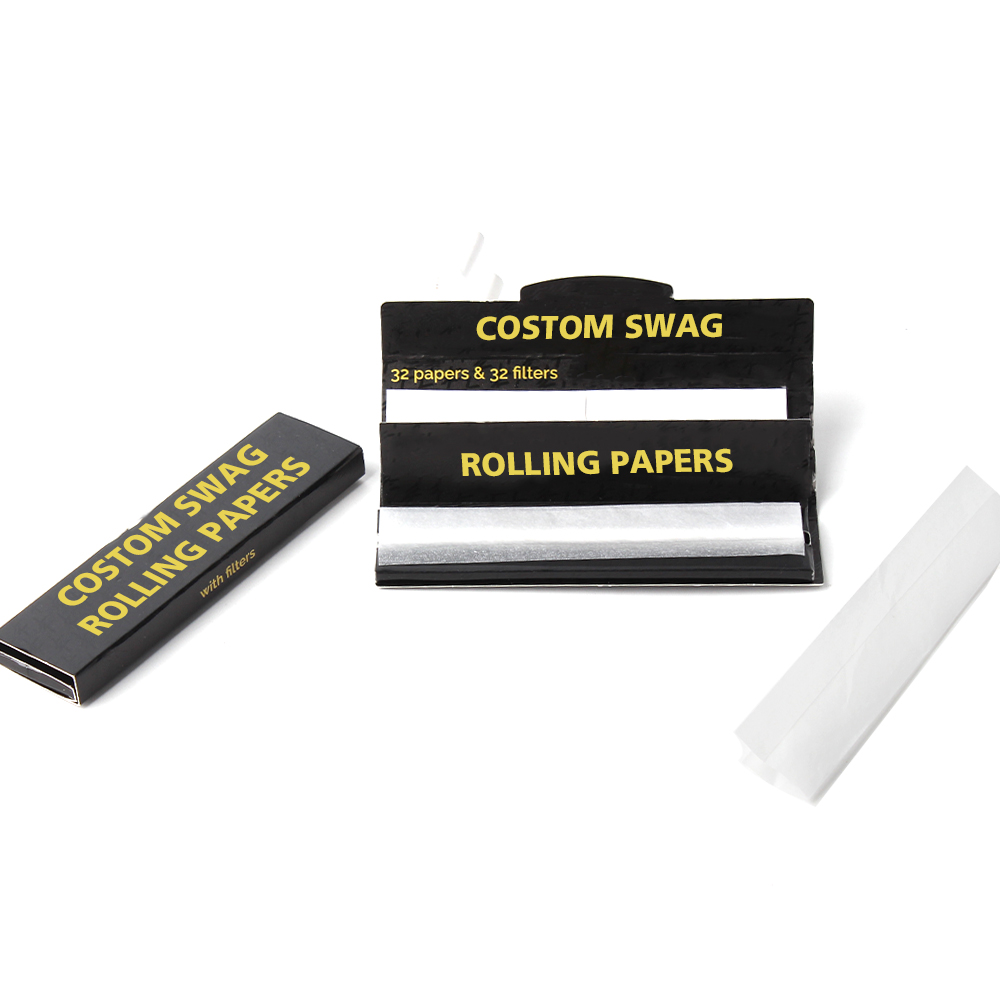
Moisture barrier coatings represent a critical advancement in protecting cannabis and botanical products during storage and transport. When properly applied to paperboard, these coatings create a protective layer that prevents humidity from penetrating the substrate, ensuring product integrity throughout the supply chain. Pre-roll packaging demands this level of protection because even minor moisture exposure can degrade cannabinoid potency and alter product consistency.
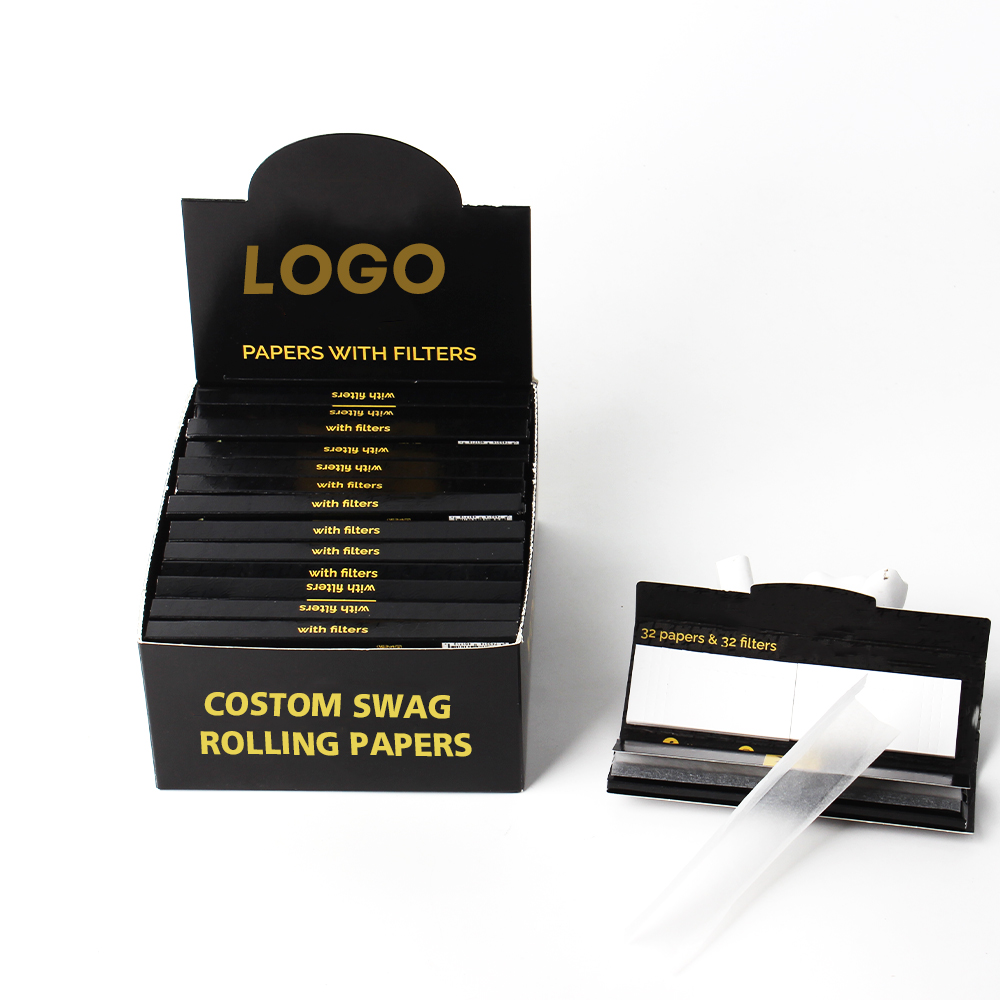
The paperboard substrate itself is naturally hygroscopic, meaning it absorbs moisture from the surrounding environment. Without an effective moisture proof joint pack solution, humidity penetrates cardboard walls, compromises product quality, and reduces shelf life. Moisture barrier coatings address this vulnerability by establishing a water-resistant surface that maintains consistent internal conditions regardless of external humidity levels.
Moisture barrier coatings function by forming a continuous film across the paperboard surface, blocking water vapor transmission. These protective packaging systems rely on chemistry to create hydrophobic layers that repel moisture while maintaining breathability in specific applications. The coating thickness and composition determine how effectively the sealed pre-roll container resists humidity infiltration over extended storage periods.
Common coating formulations include polyethylene laminates, wax-based systems, and advanced polymer blends. Each approach offers distinct advantages in flexibility, cost efficiency, and environmental compatibility. For pre-roll packaging applications, manufacturers typically select coatings that balance moisture protection with printability and structural integrity of the cardboard substrate.
Industry standards measure moisture barrier effectiveness through water vapor transmission rate (WVTR) testing. A quality sealed pre-roll container achieves WVTR values below 5 grams per square meter per day, ensuring minimal moisture ingress. These benchmarks reflect real-world performance requirements where pre-roll packaging must maintain product quality for 6–12 months under typical retail and warehouse conditions.
Testing protocols simulate high-humidity environments to validate protective packaging durability. Climate chambers expose coated paperboard samples to 85% relative humidity at elevated temperatures, measuring weight gain over defined periods. Results directly correlate with how successfully moisture proof joint pack solutions will perform in distribution channels spanning tropical, temperate, and arid regions.
Manufacturers apply moisture barrier coatings through roll coating, curtain coating, spray application, or lamination processes. Each method produces different coating uniformity and thickness profiles that impact the sealed pre-roll container's final performance. Roll coating offers high-speed production efficiency for large-volume pre-roll packaging, while spray techniques provide precision control for specialized box formats requiring protective packaging on specific surfaces only.
Process selection depends on paperboard grade, target WVTR performance, production speed, and cost constraints. Modern facilities integrate coating application directly into converting lines, reducing handling and accelerating pre-roll packaging readiness. This integrated approach ensures consistent protective packaging quality without introducing moisture reabsorption during storage between production stages.
Moisture proof joint pack design requires special attention to box seams, flaps, and construction joints where two paperboard surfaces meet. Coatings must penetrate these critical areas to prevent moisture from exploiting structural weak points. During sealed pre-roll container assembly, manufacturers often apply additional sealant layers or reinforce joints with secondary barrier strips to ensure comprehensive protection across the entire pre-roll packaging perimeter.
Design optimization focuses on minimizing internal voids and ensuring coating coverage at all internal and external joints. Some advanced protective packaging solutions incorporate multiple-layer barrier systems where the sealed pre-roll container combines laminated paperboard with coating application for enhanced moisture resistance. This redundancy guarantees that even if one layer shows minor imperfection, the underlying barrier maintains product protection.
Comprehensive quality assurance testing validates moisture barrier coatings before pre-roll packaging enters production. Accelerated aging tests expose samples to extreme conditions—high humidity, temperature cycling, and mechanical stress—to predict long-term performance. These protective packaging validation protocols ensure sealed pre-roll containers maintain functionality throughout intended product shelf life and distribution timeframe.
Gravimetric analysis measures weight changes in test samples, quantifying moisture ingress rates with precision. Spectroscopic methods examine coating thickness uniformity and chemical composition consistency. For moisture proof joint pack evaluation, destructive testing examines cross-sections under magnification to confirm coating penetration into paperboard fiber structure and verify seal integrity at critical contact points throughout pre-roll packaging architecture.
Cannabis retailers and cultivation operations depend on effective sealed pre-roll container solutions to meet regulatory compliance standards and maintain customer satisfaction. Compliant pre-roll packaging must demonstrate consistent moisture control to pass state-mandated testing protocols. Moisture barrier coatings enable manufacturers to produce protective packaging that satisfies regulatory requirements while maintaining cost competitiveness in increasingly competitive markets.
Botanical product distributors similarly require moisture proof joint pack solutions for dried herbs, tea, and specialty ingredients. Extended shelf life in moisture-sealed pre-roll containers reduces waste and improves supply chain economics. The protective packaging technology extends product viability, allowing distributors to serve distant markets without sacrificing quality, making moisture barrier coatings essential for logistics optimization and customer retention.
Moisture barrier coatings prevent humidity from degrading cannabinoid potency and product consistency inside sealed pre-roll containers. Without protective packaging, paperboard absorbs ambient moisture, reducing pre-roll packaging effectiveness and shortening product shelf life. Coatings establish water-resistant barriers that maintain stable internal conditions, ensuring compliance with regulatory standards and meeting customer quality expectations.
Manufacturers conduct water vapor transmission rate (WVTR) testing by exposing sealed pre-roll container samples to 85% relative humidity and measuring weight gain over defined periods. Accelerated aging tests simulate long-term conditions to predict protective packaging durability. Cross-section microscopy validates coating penetration throughout pre-roll packaging structure, confirming comprehensive moisture barrier coverage including critical joint areas.
Yes, protective packaging coatings can be integrated into existing pre-roll packaging production lines through roll coating or lamination processes. Manufacturers retrofit converting equipment to apply moisture barrier layers during box manufacturing without redesigning fundamental pre-roll packaging structure. This flexibility allows producers to upgrade sealed pre-roll container performance without capital-intensive tooling changes or format modifications.