EN
EN

optimizing-adhesive-application-accuracy-in-prerolled-cone-edge-sealing, optimizing-adhesive-application-accuracy-in-prerolled-cone-edge-sealing, /news
EN
2026/09/02
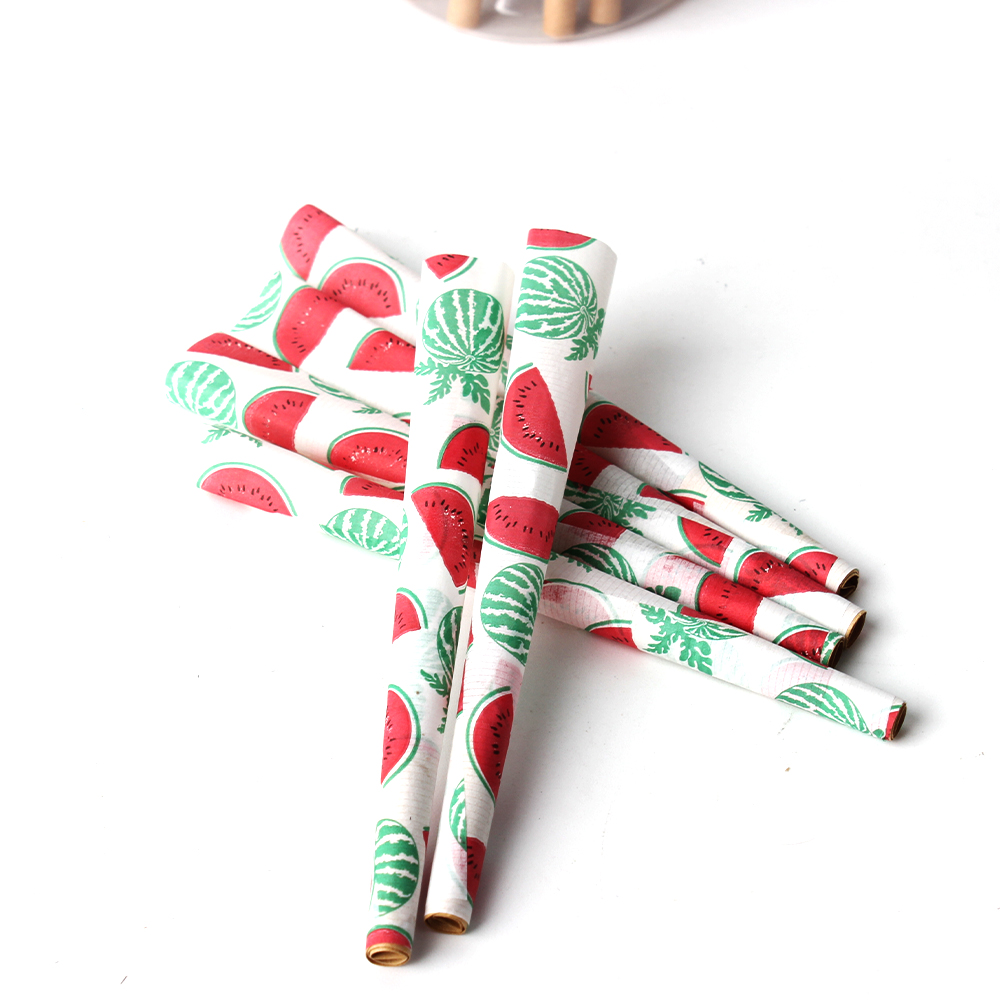
The quality of pre-rolled cones depends critically on adhesive application accuracy during edge sealing. Manufacturers and producers face significant challenges maintaining consistent seal strength while minimizing waste and rework. Poor adhesive application leads to loose seams, product leakage, and damaged inventory, directly impacting profitability and customer satisfaction. Understanding the precise techniques for optimizing adhesive placement and bond quality transforms production efficiency and final product reliability.
Achieving optimal adhesive accuracy in cone sealing requires understanding material properties, application equipment, and process parameters. The gummed edge represents the critical interface where adhesive bonding occurs, and its preparation directly determines seal performance. Natural plant gum formulations offer superior adhesion and environmental benefits compared to synthetic alternatives, but they demand precise application methodology. This comprehensive guide explores the technical foundations of accurate adhesive application, practical implementation strategies, and quality assurance methods that ensure repeatable excellence in pre-rolled cone production.
Natural plant gum serves as the bonding agent in gummed edge systems, providing excellent adhesion to cone paper materials. These gum formulations activate when exposed to moisture, creating strong chemical bonds that resist separation and maintain structural integrity. The molecular structure of natural plant gum allows for flexible yet durable seals that accommodate slight paper expansion and contraction. Understanding gum chemistry ensures manufacturers select appropriate formulations and apply them at optimal moisture levels for maximum seal strength.
Before adhesive application, the gummed edge surface requires proper preparation to ensure consistent bonding. Paper fiber orientation, residual dust, and surface moisture all influence adhesion performance. Pre-rolled cones must have clean, uniform gummed edges free from contamination that could compromise the seal. Quality edge preparation begins at the manufacturing stage, where raw paper is selected for consistent fiber density and coating uniformity. Humidity control during storage prevents moisture imbalances that degrade adhesive performance.
Modern adhesive application equipment uses spray systems to deposit uniform, controlled adhesive layers across the gummed edge. Spray nozzle design, pressure settings, and distance from the substrate directly affect coating thickness and coverage consistency. Pre-rolled cones require precise spray pattern adjustment to avoid excess adhesive buildup that causes weak joints or inadequate activation. Equipment calibration ensures repeatable application rates, reducing variability between production batches. Regular nozzle cleaning and maintenance prevent partial clogs that create thin spots and seal failures.
Natural plant gum adhesives activate through controlled moisture exposure, and timing significantly influences seal strength development. The activation window determines how quickly the gummed edge reaches bonding readiness, affecting production throughput and seal quality. Humidity chambers or controlled moisture applicators maintain optimal activation conditions for natural plant gum formulations. Pre-rolled cones must pass through activation zones at specific speeds to ensure complete gum hydration without over-saturation. Temperature and relative humidity monitoring within production lines enables real-time adjustments that maintain consistent seal performance across all units.
Seal strength testing quantifies adhesive performance and verifies that production meets minimum quality requirements. Peel strength tests measure the force required to separate bonded edges, providing objective data on adhesive effectiveness. Pre-rolled cones should demonstrate consistent seal strength across the entire gummed edge, with no weak points or variable resistance. Statistical process control tracks seal strength trends, identifying equipment drift or material variations before they cause widespread failures. Regular testing intervals ensure that adhesive application accuracy remains within acceptable parameters throughout production runs.
When seal failures occur, systematic investigation identifies the contributing factors and enables corrective action. Adhesive application issues frequently stem from equipment calibration drift, humidity fluctuations, or material property changes. Examining failed pre-rolled cones under magnification reveals whether separation occurred at the adhesive interface or within the paper substrate. Batch traceability links failures to specific equipment, time periods, or material lots, guiding targeted improvements. Documenting failure patterns establishes performance baselines that guide preventive maintenance schedules and quality thresholds for natural plant gum suppliers.
Preventive maintenance extends equipment life while sustaining adhesive application accuracy in pre-rolled cones. Spray nozzles require regular inspection and replacement before performance degradation becomes apparent. Pressure regulators need calibration verification to confirm output specifications remain accurate. Equipment logs tracking maintenance activities, calibration dates, and performance metrics enable predictive maintenance that prevents unexpected downtime. Technician training ensures consistent execution of maintenance procedures and immediate recognition of equipment anomalies affecting seal quality.
Collaborating with natural plant gum suppliers ensures consistent material quality and performance in adhesive applications. Clear specifications define acceptable ranges for gum viscosity, activation characteristics, and shelf stability. Supplier audits verify manufacturing practices and quality control systems that maintain batch-to-batch consistency. Certificate of analysis documentation confirms that each delivery meets specification requirements before integration into production. Establishing long-term partnerships with reliable suppliers reduces material variability that complicates adhesive application optimization and seal strength achievement.
Moisture acts as the activating agent for natural plant gum, triggering the chemical bonding process that creates seal strength. Controlled humidity exposure allows the gum to hydrate uniformly across the gummed edge, developing consistent adhesive properties. Insufficient moisture prevents complete activation, resulting in weak bonds that fail under normal handling. Excessive moisture causes over-hydration, reducing adhesive viscosity and preventing proper joint formation. Optimal moisture levels balance complete activation with controlled viscosity, ensuring maximum seal strength in every production run.
Critical parameters include adhesive application rate, spray nozzle pressure, activation chamber humidity and temperature, and line speed during sealing. Adhesive viscosity and batch composition must remain within specification ranges to ensure repeatable bonding characteristics. Gummed edge paper quality, including fiber density and coating uniformity, influences how effectively natural plant gum achieves adhesion. Environmental conditions in the production facility affect both material performance and equipment function. Regular monitoring of these parameters through automated systems and periodic manual verification prevents drift that degrades seal quality in pre-rolled cones.
Begin by testing adhesive application accuracy through spray pattern verification and coating thickness measurement on gummed edge samples. Verify that humidity and temperature conditions within activation zones remain within established specifications. Conduct seal strength testing on samples from different time periods and production locations to identify whether failures are isolated or systemic. Examine failed cones microscopically to determine whether separation occurred at the adhesive interface or within the substrate. Cross-reference failure patterns with equipment maintenance records, material lot numbers, and environmental logs to isolate root causes, then implement targeted corrections that restore performance.