EN
EN

optimizing-tip-width-and-length-for-different-joint-diameters, optimizing-tip-width-and-length-for-different-joint-diameters, /news
EN
2026/09/08
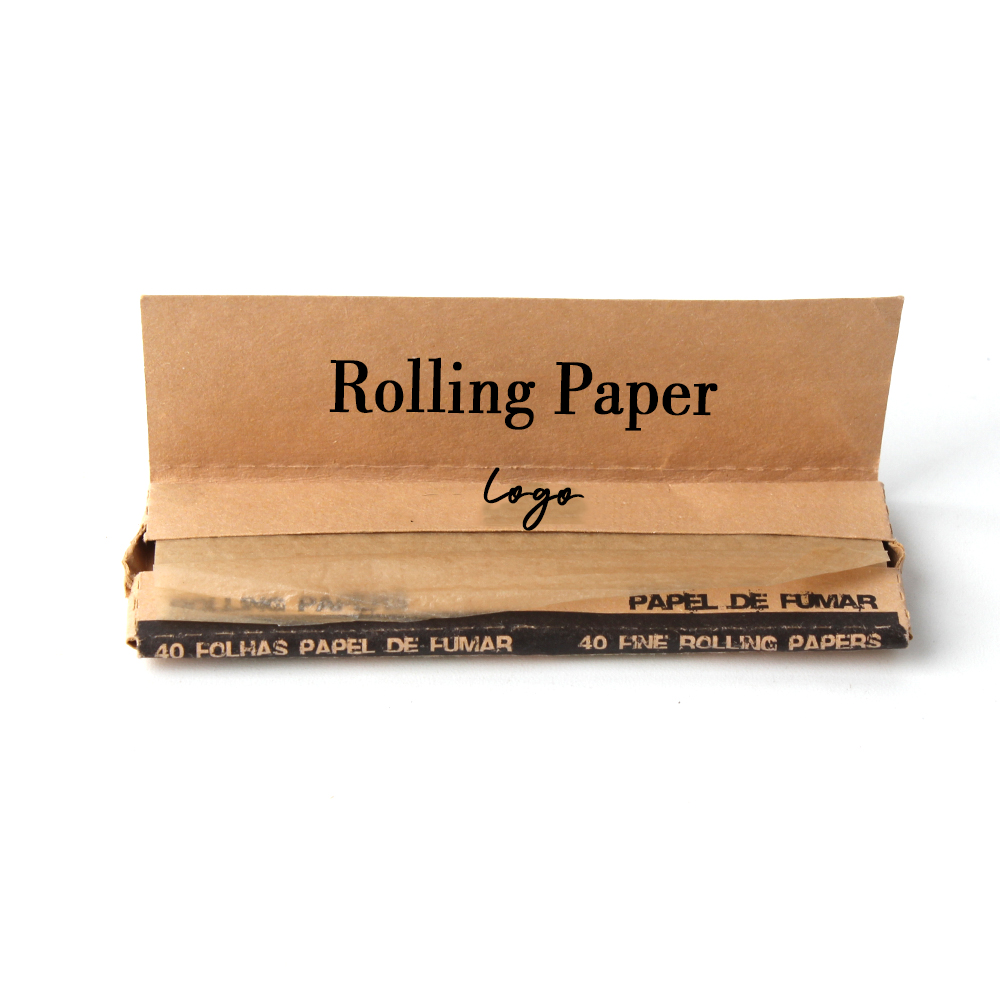
Selecting the right tip dimensions is essential for smooth rolling sessions and optimal performance across different joint sizes. Many users overlook how critical tip width and length are to the overall experience, leading to poor draws, wasted material, and inconsistent results. Understanding the relationship between tip specifications and joint diameter ensures you maintain control, minimize product loss, and achieve the perfect roll every time.
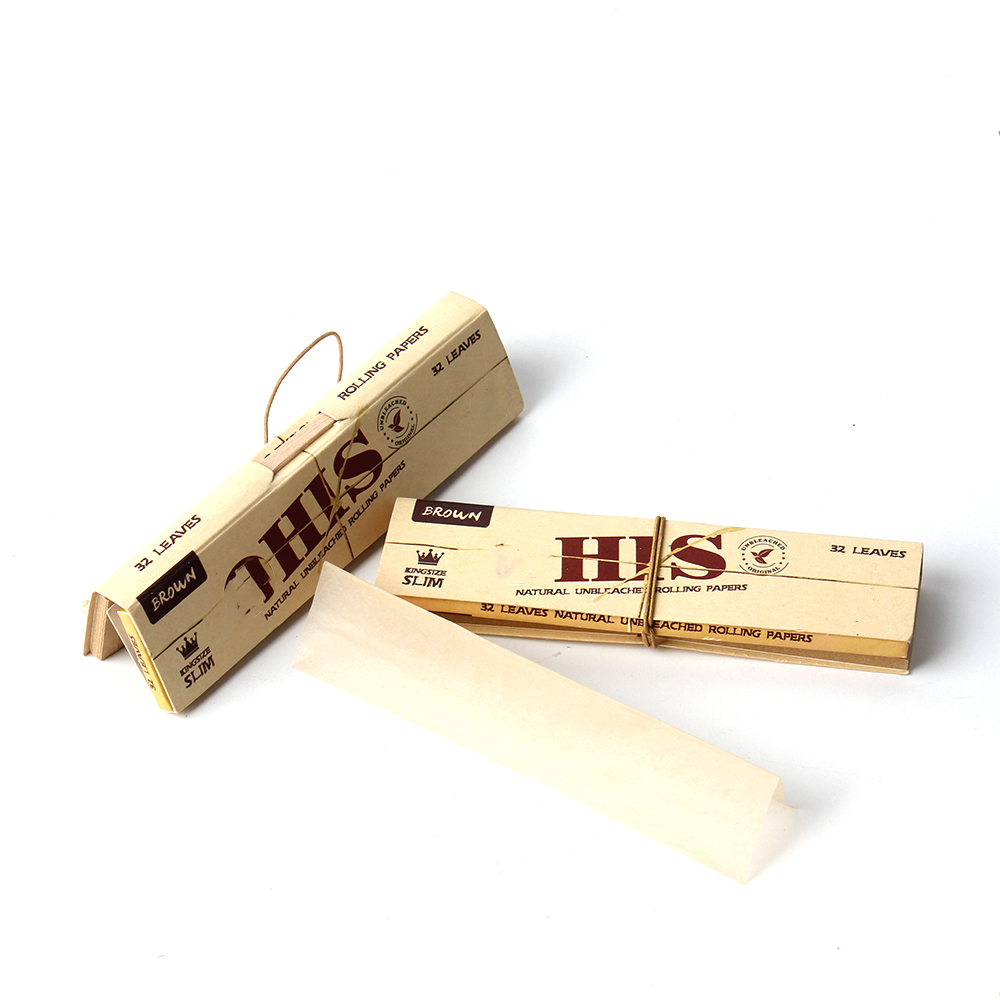
The relationship between tip geometry and joint diameter directly impacts roll quality, material retention, and user satisfaction. custom filters designed with precise width and length specifications allow you to adapt your rolling accessories to match any joint size. When tips are properly matched to your rolling dimensions, you achieve better airflow, reduced material spillage, and a more enjoyable rolling experience overall.
Tip width is one of the most important factors in achieving a proper fit within any joint diameter. Narrow tips work best for smaller, delicate joints where precision is critical, while wider tips provide better support and material distribution for larger diameter joints. Wide tips help prevent material from falling through gaps and create a more stable foundation for rolling. The correct width ensures even burning, consistent draw resistance, and prevents unraveling during use.
Mismatched tip widths lead to common rolling problems. If your tip is too narrow for the joint diameter, material shifts during rolling and creates air gaps that compromise the entire structure. Conversely, tips that are too wide for smaller joints waste material at the ends and make the rolling process unnecessarily difficult. Custom dimensions allow you to find the exact width that matches your preferred joint sizes.
Tip length determines how much structural support the filter provides and influences the overall balance of your finished roll. Shorter tips work well for compact joints and conserve material, making them ideal for portable rolling or travel use. Longer tips offer extended support, better material stability, and enhanced filtering properties that improve the overall smoking experience. The length you choose should correspond to your joint's overall dimensions and your personal rolling technique.
Optimizing tip length for specific joint diameters prevents common rolling mistakes like uneven material packing, weak structural integrity, and poor draw characteristics. When length and diameter are properly aligned, you achieve balanced burn rates and consistent performance from start to finish. Many experienced users maintain multiple tip lengths to adapt to different rolling scenarios and joint specifications.
Custom dimensions represent a significant advancement in rolling accessories, allowing you to match precise measurements to your preferred joint sizes. By analyzing your typical joint diameter, you can determine the ideal tip width that provides perfect contact without excess material or gaps. Custom filters give you the flexibility to standardize your rolling setup across different sessions and achieve repeatable results every single time.
The process of selecting custom dimensions begins with measuring your standard joint diameter and identifying any variations you typically encounter. Document your preferred lengths and widths, then match them against available custom filter specifications. This methodical approach eliminates guesswork and transforms your rolling experience from inconsistent to reliable. Many users discover that custom dimensions dramatically reduce waste and improve their overall satisfaction with rolling quality.
Custom filters must be constructed from materials that maintain structural integrity throughout the entire rolling and usage process. Quality materials resist tearing, maintain their shape under pressure, and provide consistent filtering properties regardless of environmental conditions. The material choice directly affects how well custom dimensions perform when implemented in real-world rolling scenarios. Premium materials ensure that your precisely measured tips deliver reliable performance session after session.
When investing in custom dimensions, verify that materials meet your specific needs and preferences. Some users prioritize flexibility, while others need maximum rigidity for their rolling technique. The right material composition ensures that your custom filters maintain their designed specifications and deliver the performance benefits you expect from precision-engineered rolling accessories.
Successful rolling requires a strategic collection of rolling accessories that covers your range of typical joint sizes. By maintaining tips with different widths and lengths, you maximize your versatility and ensure optimal performance regardless of your immediate needs. Wide tips serve as your foundation for larger diameter work, while narrower options provide precision for smaller applications. This modular approach to rolling accessories eliminates the need for constant adjustments and allows seamless transitions between different joint specifications.
Building a comprehensive rolling accessories kit involves identifying your most common joint diameters and then selecting or creating custom filters that perfectly match those specifications. This strategic inventory approach saves time, reduces material waste, and elevates your rolling consistency significantly. Many serious users discover that investing in multiple custom filter options pays dividends through improved results and reduced frustration over time.
Protecting your investment in custom filters and specialized rolling accessories requires proper storage and handling practices. Keep tips in a dry, cool environment away from direct sunlight and moisture, which can degrade material quality and affect performance. Organized storage systems help you quickly locate the right tip for each rolling session without confusion or delay. Consistent maintenance of your rolling accessories collection ensures every tip remains ready to deliver optimal performance.
Regular inspection of your custom filters catches early signs of wear or damage before they impact your rolling experience. Replace tips that show visible deterioration, deformation, or loss of structural integrity. By treating your rolling accessories with proper care, you extend their lifespan and protect the precision benefits that custom dimensions provide. This disciplined approach to equipment maintenance reflects professionalism and commitment to rolling quality.
The ideal tip width depends on your specific joint diameter, but most standard sizes work well with tips ranging from 8mm to 14mm. Wide tips around 12mm to 14mm accommodate larger diameter joints effectively, while narrower options from 8mm to 10mm suit smaller applications. Custom dimensions allow you to identify the exact width that matches your preferences and rolling technique.
Custom filters provide precise dimensions that eliminate guesswork and variability from your rolling process. By matching tip specifications to your joint diameter, you achieve repeatable results, better material distribution, and improved structural integrity. This consistency reduces waste and frustration while elevating the quality of every roll you create.
While wide tips offer advantages for larger joints, using them for all sizes is not recommended. Wide tips designed for bigger diameter joints may be too large for smaller applications, causing material waste and rolling difficulty. Maintaining custom dimensions tailored to your specific joint sizes ensures optimal performance across your entire range of rolling scenarios.