EN
EN

packaging-innovations-for-crushresistant-prerolled-cone-transport, packaging-innovations-for-crushresistant-prerolled-cone-transport, /news
EN
2026/09/10
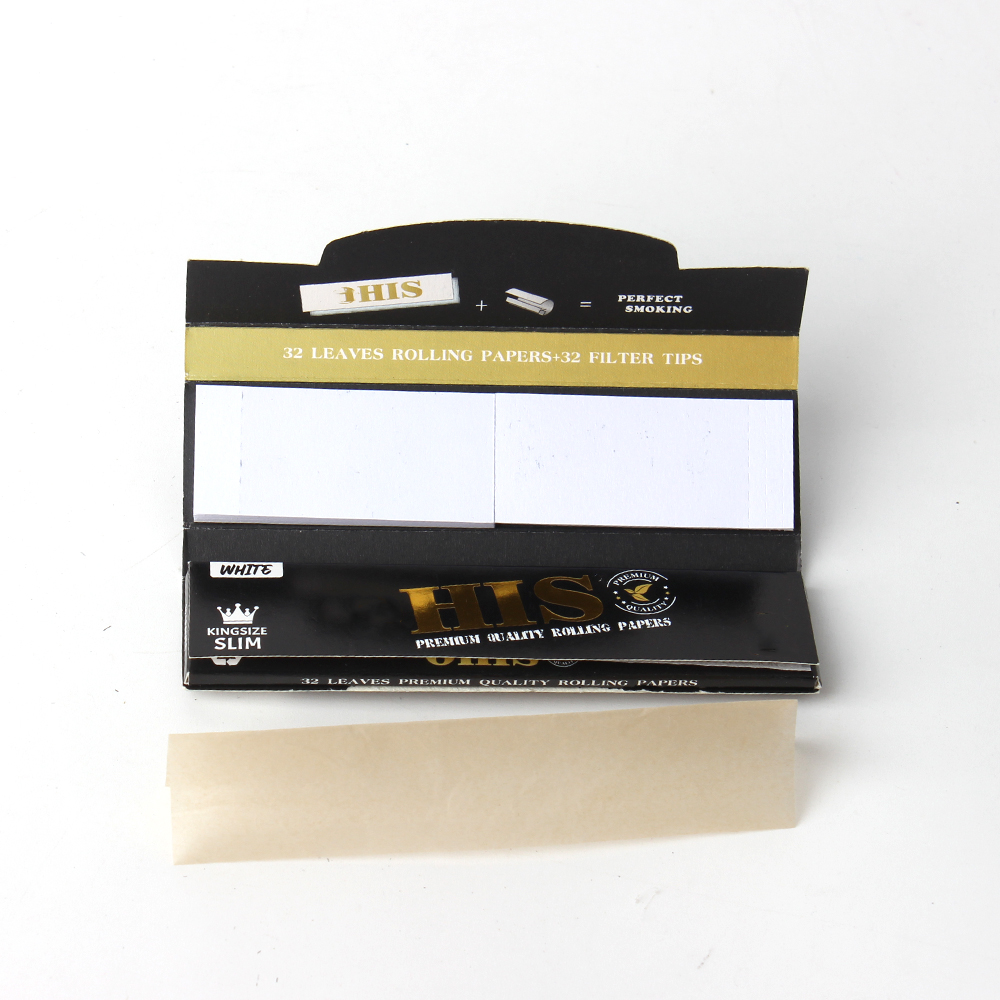
The cannabis and botanical product industry has evolved significantly, and with it comes the critical challenge of safely transporting delicate items. Pre-rolled cones represent a major market segment, yet their fragility during shipping poses a persistent problem for distributors, retailers, and consumers alike. Proper protective packaging is no longer optional—it is essential for maintaining product integrity, reducing waste, and building customer trust. Understanding how to implement crush-resistant cones and specialized cone shipping box solutions can dramatically improve your supply chain efficiency.
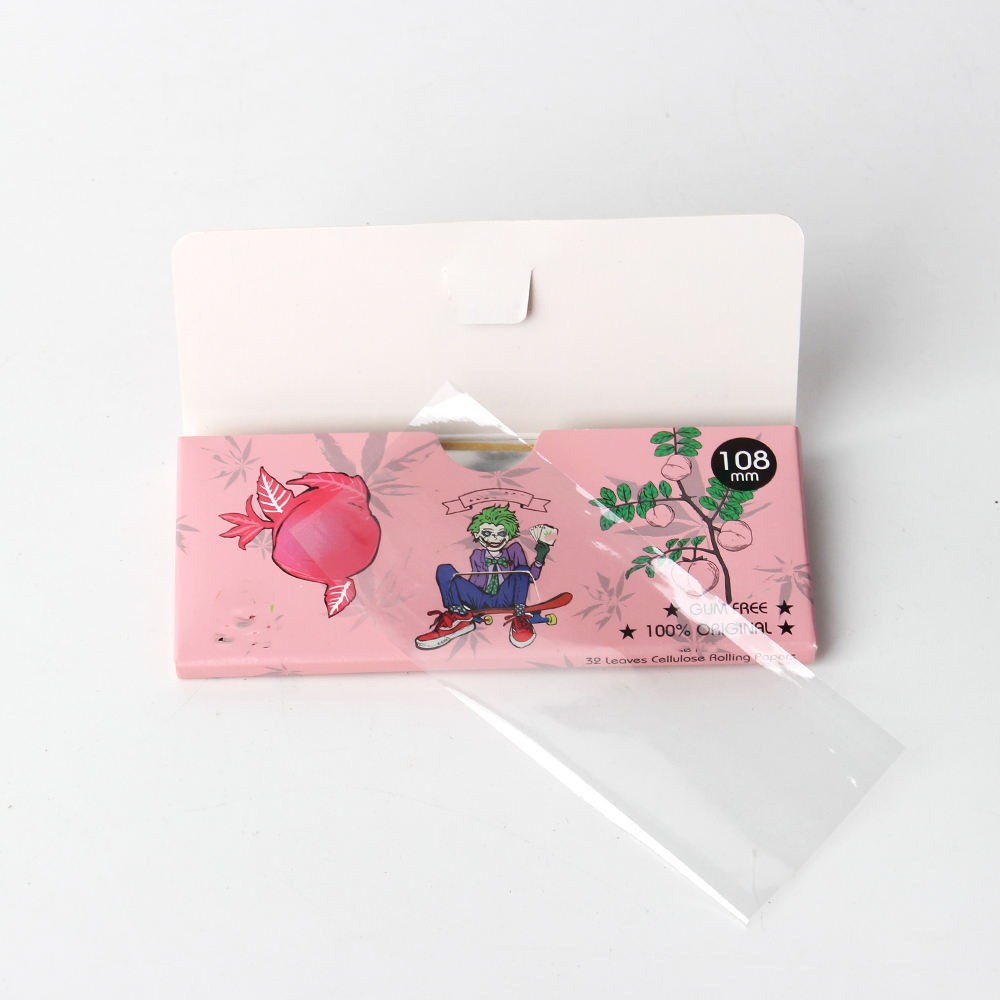
Pre-rolled cones have become the standard choice for manufacturers and consumers who prioritize convenience and consistency. However, the inherent cylindrical structure of these products makes them vulnerable to crushing, denting, and structural failure during transit. Modern protective packaging addresses this vulnerability through innovative materials, structural design, and strategic cushioning. A well-designed packaging system not only prevents physical damage but also preserves product quality, reduces returns, and enhances the unboxing experience that consumers increasingly value.
Crush-resistant cones begin with the material foundation itself. Modern crush resistant cones are engineered using premium-grade paper, kraft board, and reinforced cardboard that provide structural rigidity without excessive weight. The thickness and density of these materials directly correlate with their ability to withstand compression forces during stacking and transport. Many manufacturers now employ multi-layer construction, combining outer protective shells with inner support structures that distribute pressure evenly across the cone's surface.
Beyond traditional cardboard, specialized materials like corrugated inserts, foam padding, and rigid plastic sleeves are integrated into protective packaging solutions. These elements work synergistically to create a micro-environment that shields pre-rolled cones from external pressure. The selection of materials must balance durability with cost efficiency—premium protective packaging cannot compromise affordability for end consumers or profit margins for distributors.
A cone shipping box is far more sophisticated than a simple container. Modern cone shipping box designs incorporate engineered dividers, compartmented layouts, and reinforced corner supports that prevent product movement during transit. Each compartment isolates individual cones, creating independent protective zones that absorb shock and prevent cascading damage. The cone shipping box structure typically features double-wall or triple-wall corrugation, along with reinforced tape sealing and strategic weight distribution to maintain structural integrity even when stacked multiple boxes high.
The engineering of a cone shipping box also considers external pressures from handling equipment, vehicle vibration, and temperature fluctuations. Tapered box designs, graduated thickness in structural elements, and strategically placed load-bearing ribs ensure that crush resistant cones remain protected throughout the entire supply chain journey.
Choosing the appropriate protective packaging solution depends on several operational factors including shipping distance, storage conditions, handling frequency, and regulatory requirements. For short-distance retail distribution, lightweight protective packaging may suffice, while e-commerce operations with extended transit times and multiple handling touchpoints demand more robust crush-resistant cones protection. Understanding your specific supply chain vulnerabilities allows you to right-size your packaging investment and avoid both under-protection and unnecessary expense.
A cone shipping box system must align with your warehouse infrastructure, including pallet dimensions, shelf heights, and automated handling equipment. Standardized box sizes that comply with industry packing guidelines minimize logistics friction and reduce per-unit shipping costs. Many manufacturers find that investing in pre-rolled cones protective packaging that fits standard pallet configurations yields significant long-term savings through improved warehouse efficiency and reduced damage claims.
The true cost of inadequate protective packaging extends far beyond the obvious damage replacement expenses. Customer dissatisfaction, negative reviews, return logistics, and brand reputation erosion create hidden costs that accumulate quickly. A single damaged shipment can generate multiple return transactions, customer service interactions, and lost future sales. When evaluated comprehensively, investing in quality crush-resistant cones and protective packaging systems typically reduces total supply chain costs by preventing cascading losses.
Implementation strategies vary by business model. Some distributors absorb protective packaging costs as a customer service differentiator, while others embed packaging fees into product pricing. Testing different packaging configurations with real-world shipping scenarios provides empirical data for cost justification. Measuring damage rates before and after implementing improved cone shipping box systems creates compelling financial metrics that support continued investment in protective packaging innovation.
Environmental consciousness increasingly influences packaging decisions. Modern crush-resistant cones are now manufactured using recycled materials, biodegradable padding, and sustainably sourced cardboard that maintains protective performance while reducing environmental impact. Protective packaging innovations include water-based adhesives, plant-based foam alternatives, and compostable infill materials that address regulatory pressures and consumer preferences without compromising crush-resistance. These eco-friendly protective packaging solutions represent a growing market segment that combines environmental responsibility with practical performance benefits.
The development of lightweight yet protective packaging materials reduces transportation emissions and fuel costs. Innovative cone shipping box designs now incorporate air channels and honeycomb structures that provide cushioning through engineered air pockets rather than solid material bulk. These pre-rolled cones protection methods achieve superior crush-resistance while simultaneously reducing packaging weight and shipping costs—a win-win outcome that accelerates industry adoption.
Emerging protective packaging technologies include impact sensors, temperature indicators, and humidity monitors integrated into cone shipping box systems. These smart features provide real-time visibility into shipping conditions and product handling, enabling predictive quality management. Data collected from protective packaging sensors informs iterative design improvements and identifies high-risk handling stages within the distribution network. This intelligence-driven approach to protective packaging optimization transforms packaging from a static cost center into a strategic data source.
Digital tracking systems now integrate with cone shipping box infrastructure, allowing customers and distributors to monitor product condition throughout transit. Augmented reality applications enable consumers to verify product integrity upon delivery by scanning packaging codes. These technological integrations represent the convergence of protective packaging function with customer engagement—elevating crush-resistant cones protection from necessity to brand differentiation opportunity.
Crush-resistant cones are engineered with reinforced materials and structural designs that withstand compression forces exceeding standard pre-rolled cones. These specialized pre-rolled cones incorporate multi-layer construction, internal bracing, and density-optimized paper that prevents deformation during stacking and transport. Standard pre-rolled cones prioritize affordability and basic functionality, while crush-resistant cones target distribution channels where product integrity during shipping justifies premium material costs.
A cone shipping box creates a protective environment through multiple mechanisms including compartmentalized dividers that isolate individual products, reinforced structural elements that distribute external pressure, shock-absorbing padding, and multi-wall corrugation that resists crushing forces. The cone shipping box design prevents product movement, stacking damage, and cascading failures. Strategic ventilation channels prevent moisture accumulation, while reinforced sealing ensures that protective packaging remains intact throughout extended shipping periods and multiple handling touchpoints.
Yes, optimized protective packaging solutions can simultaneously reduce costs and improve quality through several mechanisms. Lightweight crush-resistant cones materials decrease per-unit shipping weight, directly lowering transportation fees. Reducing damage rates eliminates costly return logistics and replacements. Standardized cone shipping box dimensions maximize pallet efficiency and warehouse automation compatibility. Additionally, preventive packaging investments reduce customer service costs associated with damage claims and negative feedback, creating substantial total cost savings despite higher initial per-unit packaging expenses.