EN
EN

preventing-cone-deformation-during-longdistance-transit, preventing-cone-deformation-during-longdistance-transit, /news
EN
2026/08/10
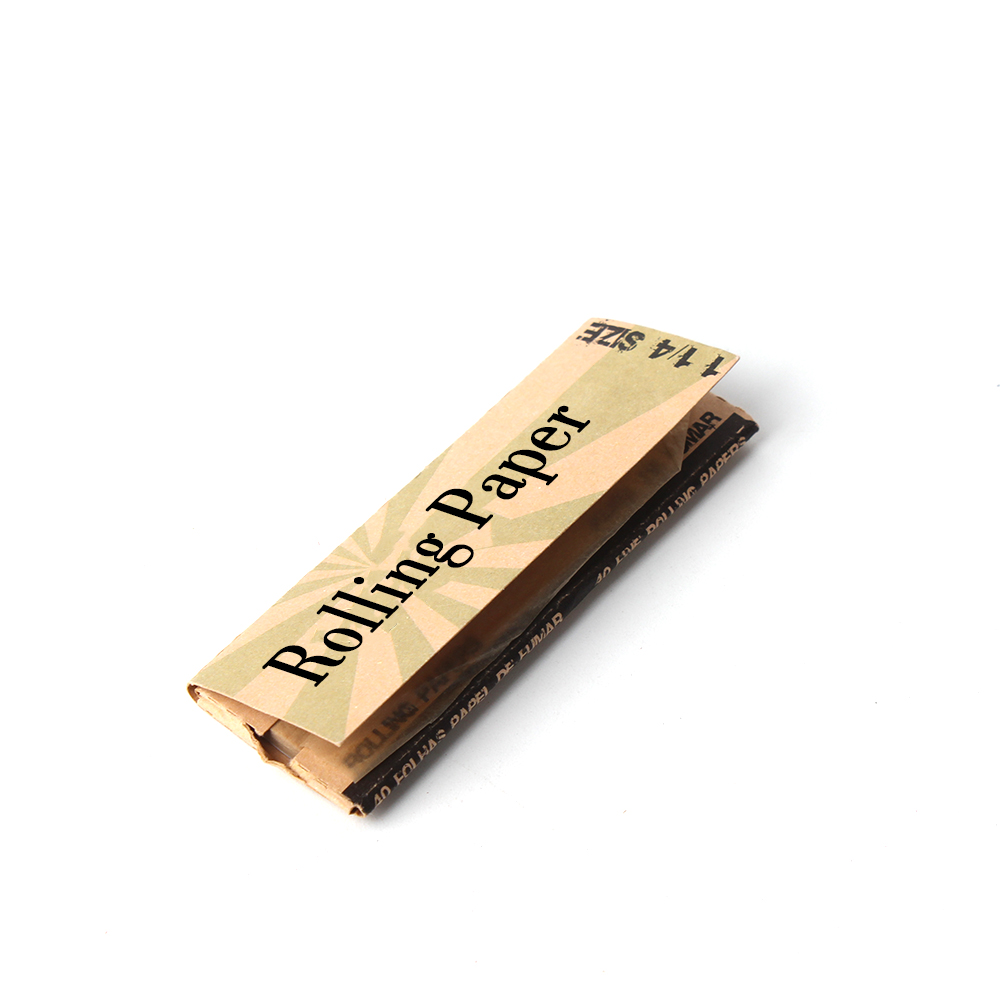
Long-distance transit presents significant challenges for manufacturers and distributors handling delicate products, and pre-roll cones are particularly vulnerable to damage during shipping. These products require careful handling and strategic packaging solutions to arrive at their destination in perfect condition. When cones become deformed, they lose their market value and create customer dissatisfaction, making prevention a critical business priority for any operation that ships these products across regions or internationally.
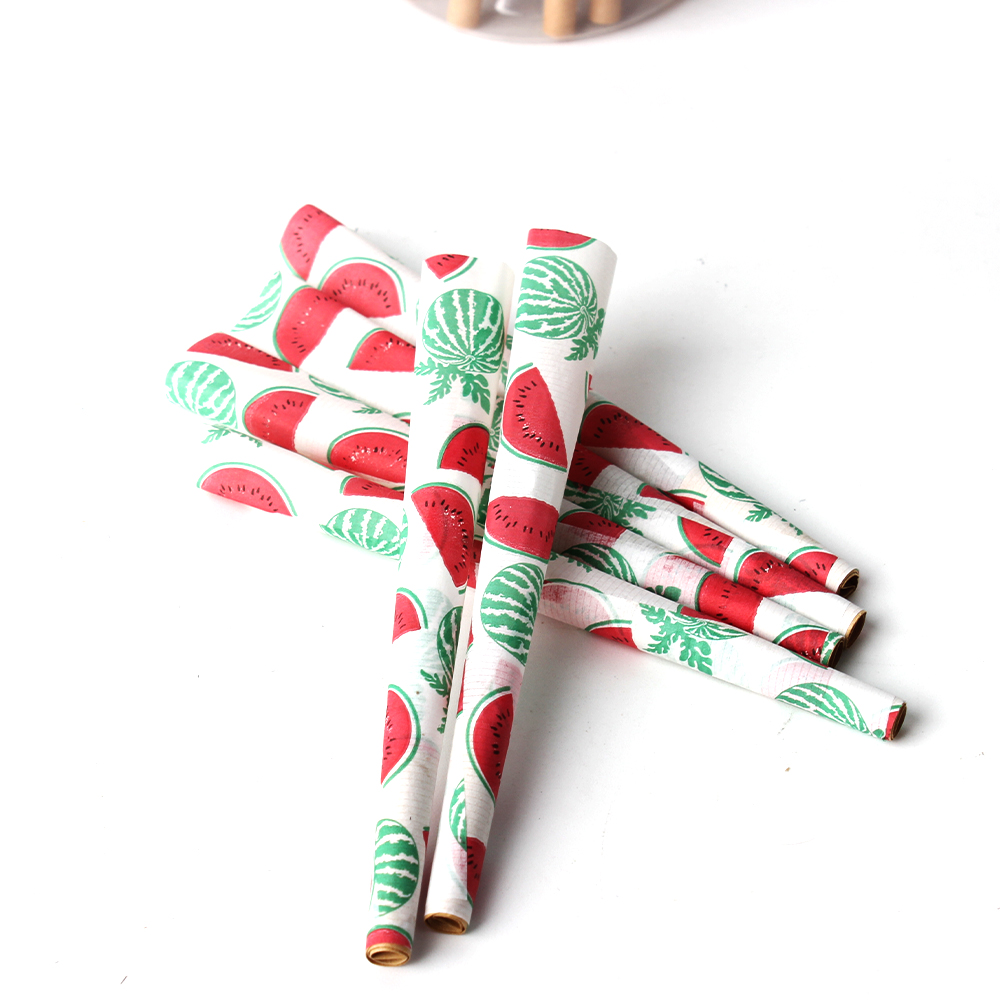
Deformation during transit occurs through multiple mechanisms: vibration, compression from stacking, temperature fluctuations, and moisture exposure. Understanding these risk factors allows shippers to implement targeted protection strategies. Effective cone storage and crush resistant cones represent foundational approaches, but the complete solution requires integrated packaging protection that addresses all potential damage vectors throughout the supply chain journey.
Pre-roll cones experience distinct damage patterns depending on transit conditions. Compression damage occurs when stacked boxes exceed safe weight limits, causing lower cones to flatten or crack. Vibration damage manifests as micro-fractures and gradual structural weakening as trucks traverse rough roads. Moisture exposure warps cone materials, particularly when humidity levels fluctuate dramatically between climate zones. Temperature extremes can cause material brittleness in cold conditions or excessive softening in heat.
Each damage mechanism requires specific prevention tactics. Crush resistant cones help mitigate compression damage, while proper cone storage in climate-controlled environments reduces moisture and temperature effects. Packaging protection systems must address vibration through cushioning materials and dampening techniques. Recognizing which damage type poses the greatest risk for your specific shipping routes allows targeted investment in the most effective countermeasures.
Deformed pre-roll cones cannot be sold at full value, creating direct revenue loss and potential liability issues. Damaged shipments trigger customer complaints, increase return rates, and damage supplier relationships. Beyond immediate financial loss, repeated damage incidents erode brand reputation and market positioning. When customers receive consistently compromised products, they shift purchases to competitors perceived as more reliable, representing long-term business impact that extends far beyond single shipments.
Crush resistant cones incorporate thicker walls, reinforced tip designs, and premium materials that withstand compression forces significantly better than standard products. Manufacturing techniques like higher-density rolling and enhanced binding create structural integrity that tolerates the rigorous transit environment. When selecting crush resistant cones, verify load ratings and compression test results that demonstrate their performance under realistic shipping weight distributions.
Pre-roll cones designed specifically for long-distance transit often feature cone storage optimization built into their geometry. Tapered designs that interlock safely prevent shifting during transport, while reinforced seams resist splitting under pressure. Comparing crush resistant cones based on third-party impact testing and compression specifications ensures you invest in products genuinely engineered for durability rather than marketed claims lacking substantiation.
Proper cone storage begins before shipment, in your warehouse facility. Pre-roll cones stored in climate-controlled environments at consistent temperature and humidity levels maintain structural integrity and material flexibility. Storing cones vertically in breathable containers rather than tightly sealed boxes prevents moisture accumulation and maintains consistent conditions around each cone.
Within shipping containers, cone storage arrangements matter significantly. Grouping pre-roll cones in protective inserts that isolate each product from vibration and compression forces creates individual cushioning zones. Never stack crush resistant cones beyond manufacturer-recommended heights, as even premium products have load limits. Implementing cone storage tracking systems ensures optimal rotation and prevents products from sitting in suboptimal conditions before shipment.
Effective packaging protection for pre-roll cones requires multiple defense layers rather than relying on single solutions. The innermost layer protects individual cones through foam inserts, tissue wrapping, or individual compartments that prevent product-to-product contact. Secondary packaging adds cushioning around cone bundles using corrugated materials, foam sheets, or air pillows that absorb vibration energy and distribute compression forces.
Crush resistant cones paired with appropriate cone storage containers form an integrated system stronger than any component alone. The outer shipping box must provide structural integrity and stackability signals that clearly communicate weight limits. Labeling systems indicating 'Handle with Care' and weight restrictions help logistics partners maintain appropriate stacking practices throughout the supply chain journey.
Temperature and humidity fluctuations during long-distance transit can be controlled through insulated packaging and desiccant packets placed strategically throughout the shipment. Pre-roll cones remain stable when moisture and temperature variations stay within defined ranges, typically between 40-60 percent relative humidity and 15-25 degrees Celsius.
Vibration dampening represents another critical packaging protection element often overlooked by shippers. Using specialized foam formulations rated for vibration absorption reduces micro-fractures in pre-roll cones caused by truck movement and road conditions. Some manufacturers now use gel-based cushioning materials and shock-absorbing suspension systems within shipping containers specifically engineered to handle the vibration profiles common in long-distance trucking operations.
Before implementing new packaging protection systems, conduct realistic testing simulations that replicate your actual shipping conditions. Drop testing, vibration testing per industry standards, and compression testing with crush resistant cones verify your solution's effectiveness. Real-world pilot shipments to existing customers provide invaluable feedback about performance across diverse routes, seasons, and carrier handling practices.
Document deformation rates before and after implementing improved packaging protection. Tracking pre-roll cones damaged upon arrival, damage types, and frequency patterns creates data that justifies continued investment in superior cone storage and crushing resistance. Sharing these metrics with customers demonstrates your commitment to quality and reliability, strengthening business relationships.
Communicate clearly with shipping carriers about pre-roll cones' fragility and handling requirements. Provide specific weight limits, stacking height restrictions, and temperature range requirements on all shipments. Professional packaging protection systems with appropriate labeling signal to handlers that contents require care, increasing the likelihood they receive suitable treatment throughout transit.
Maintaining documentation of packaging specifications, carrier handling agreements, and damage incident reports creates accountability and continuous improvement opportunities. This data helps identify whether problems stem from packaging inadequacy, carrier mishandling, or environmental factors, allowing targeted solutions that actually address root causes.
Crush resistant cones typically feature walls 25-40 percent thicker than standard pre-roll cones, combined with reinforced rolling and binding techniques. Specific thickness requirements depend on your product specifications and weight limits during stacking. Manufacturers should provide compression test data demonstrating their crush resistant cones' performance under your expected shipping loads rather than using thickness alone as the quality indicator.
Proper cone storage separates individual pre-roll cones using compartmented inserts, preventing movement, friction, and compression damage during transport. Vertical stacking in breathable containers maintains consistent environmental conditions around each cone, while isolation cushioning absorbs vibration energy that would otherwise transfer between products. Cone storage systems engineered for your specific cone dimensions and quantities provide the most effective protection.
Packaging protection works most effectively when combined with crush resistant cones and optimal cone storage practices. While superior packaging protects against external forces, the pre-roll cones' inherent structural quality determines their ability to withstand internal stress. An integrated approach using all three elements—crush resistant materials, intelligent cone storage, and comprehensive packaging protection—delivers the most reliable prevention of deformation during long-distance transit.