EN
EN

preventing-moisture-breakdown-in-stored-custom-filter-tips, preventing-moisture-breakdown-in-stored-custom-filter-tips, /news
EN
2026/08/11
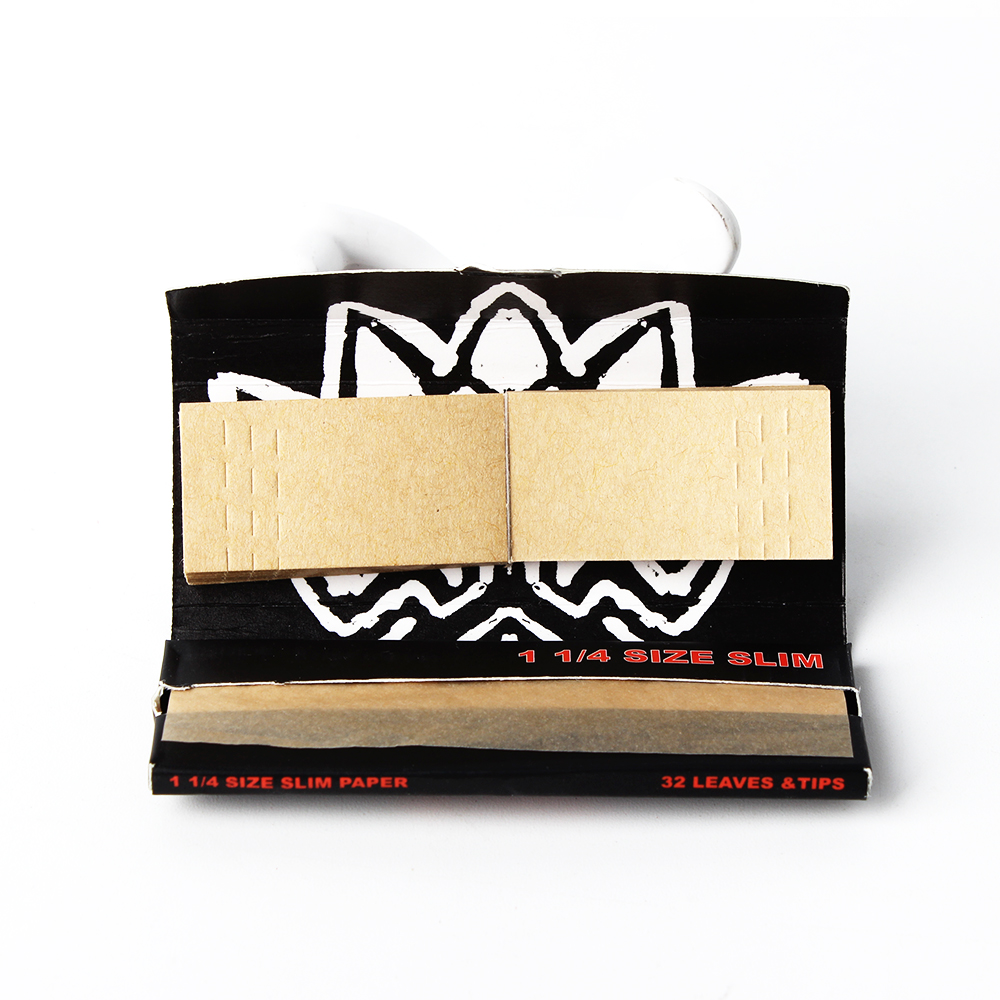
Moisture breakdown represents one of the most common yet preventable challenges faced by users of custom filters during extended storage periods. When stored improperly, these precision-engineered products absorb ambient humidity, leading to structural degradation, material softening, and compromised performance. Understanding the mechanisms behind moisture damage and implementing effective preservation strategies ensures your investment remains functional and delivers consistent results for months or even years.
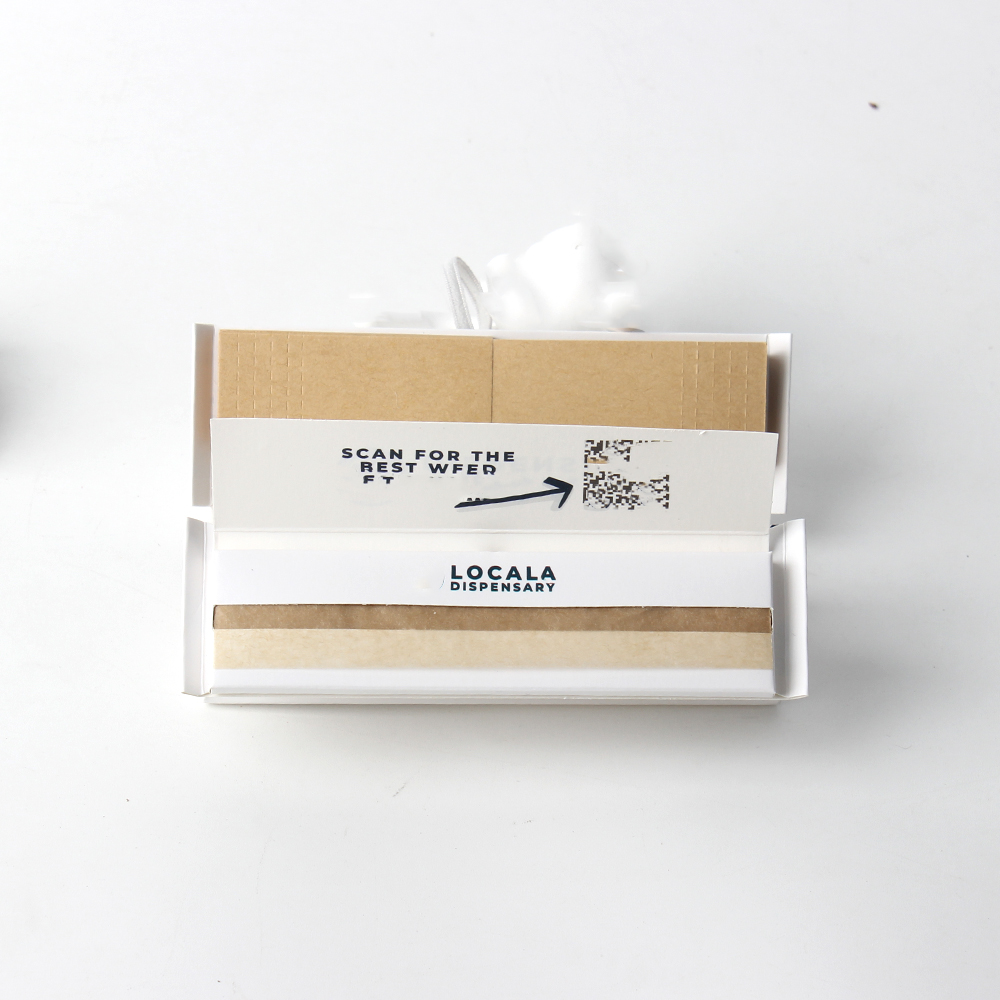
The threat of moisture exposure to stored custom filters extends beyond mere surface dampness. Humidity penetrates filter material matrices, weakening adhesives, warping substrates, and creating conditions for microbial growth. Organizations and individuals who rely on custom filters for specialized applications must adopt systematic storage protocols that maintain material integrity. This guide explores proven approaches to humidity management, moisture resistant technologies, and practical soggy prevention strategies that protect your custom filters investment.
Moisture acts as a silent destroyer of custom filter performance. When ambient humidity levels rise above 60 percent relative humidity, filter materials begin absorbing water molecules. This absorption causes dimensional changes, reduces tensile strength, and compromises the seal integrity that many custom filters depend upon. The degradation occurs gradually, making early detection difficult without regular inspections.
Paper-based custom filters prove particularly vulnerable because cellulose fibers naturally attract moisture. As water molecules bond to these fibers, the material becomes brittle or excessively pliable, depending on the specific composition. Synthetic materials demonstrate greater resistance, yet even advanced polymers can swell or lose structural definition under prolonged moisture exposure. Understanding your specific custom filters composition helps determine appropriate storage humidity thresholds and intervention timing.
Identifying early warning signs of moisture damage in custom filters allows preventive intervention before performance becomes severely compromised. Visible discoloration, warping along edges, or a soft feel when pressure is applied all indicate excessive moisture absorption. A musty odor emanating from storage containers signals microbial colonization fueled by moisture conditions. These indicators prompt immediate action to relocate custom filters to lower-humidity environments and implement moisture resistant storage solutions.
Advanced detection involves measuring actual moisture content using calibrated instrumentation, though visual and tactile assessment often suffices for operational purposes. Many users notice performance changes before physical deterioration becomes obvious, such as reduced effectiveness or altered delivery characteristics. Establishing baseline performance metrics before storage allows comparison after extended shelf time, revealing subtle degradation that visual inspection might miss.
Protecting custom filters begins with selecting appropriate packaging materials featuring moisture resistant properties. Sealed containers constructed from materials like Mylar, aluminum foil laminates, or vacuum-sealed polyethylene create effective barriers against ambient humidity penetration. For maximum protection, custom filters should be housed in containers specifically designed to maintain controlled microenvironments separate from surrounding atmospheric conditions. Airtight seals must be verified during storage to prevent gradual humidity creep that undermines protection efforts.
Within sealed containers, desiccant materials actively absorb residual moisture and maintain low humidity levels. Silica gel packets, molecular sieves, or indicating desiccants provide varying levels of absorption capacity and reusability. The quantity of desiccant deployed depends on container volume and desired humidity targets, typically maintaining relative humidity below 40 percent for optimal custom filter preservation. Regular desiccant replacement or regeneration ensures continued moisture absorption without gaps in protection.
Modern custom filters increasingly incorporate coated tips specifically engineered for moisture resistant performance. These specialized coatings create hydrophobic barriers that repel water molecules and prevent absorption into underlying material layers. Polymer-based coatings, wax treatments, and synthetic sealants all contribute to moisture resistant characteristics while maintaining the functional properties that users depend upon. The application of coated tips represents a manufacturing-stage investment that provides ongoing protection without requiring additional user intervention.
Coated tips deliver particular value for custom filters intended for extended shelf storage or exposure to humid climates. By addressing moisture vulnerability at the product design stage, manufacturers reduce user burden and enhance overall reliability. However, coated tips require careful handling to avoid damage that compromises their protective function. Storage protocols must accommodate this additional protective layer, ensuring that handling practices and container selection support rather than undermine coating integrity.
Choosing an appropriate storage location forms the foundation of effective soggy prevention for custom filters. Cool, dry environments away from direct sunlight, water sources, and humid areas like basements or bathrooms significantly reduce environmental moisture pressure. Climate-controlled facilities offer optimal conditions, maintaining stable temperature and humidity levels that protect custom filters throughout extended storage periods. Even modest environmental control measures, such as dehumidifiers in storage areas, create substantial improvements in preservation outcomes.
Continuous monitoring of storage environment conditions provides early warning of humidity fluctuations that might threaten custom filter integrity. Inexpensive hygrometers placed near storage containers give real-time humidity readings, enabling prompt corrective action when levels rise above acceptable thresholds. Seasonal variations in humidity patterns demand adjusted moisture prevention strategies, with summer months typically requiring enhanced protection measures in many geographic regions. Documentation of environmental conditions over time reveals patterns that inform future storage planning and resource allocation.
Regular inspection cycles for stored custom filters allow early detection of moisture problems before they compromise usability. Establishing quarterly or semi-annual review schedules creates touchpoints for assessing filter condition, replacing desiccants, and confirming container seal integrity. During inspections, removing filters from storage temporarily, visually checking for discoloration or warping, and replacing desiccants maintains active protection. This systematic approach prevents complacency and ensures that storage conditions remain optimal throughout extended inventory holding periods.
First-in-first-out inventory rotation ensures that custom filters are used before significant shelf time accumulates and moisture damage risk intensifies. Tracking storage duration for each batch or container guides usage priority, preventing situations where filters remain stored indefinitely under suboptimal conditions. For high-value custom filters or specialty applications, implementing detailed inventory records that document storage dates, environmental conditions, and inspection findings provides valuable documentation for quality assurance and continuous improvement initiatives.
The optimal storage humidity for custom filters ranges between 30 and 40 percent relative humidity, depending on the specific material composition. This range prevents moisture absorption while avoiding excessive dryness that could cause brittleness in some filter types. Most climate-controlled storage facilities maintain these levels automatically, though portable dehumidifiers or desiccant systems can achieve similar results in standard storage spaces. Monitoring with inexpensive hygrometers ensures compliance with these targets.
Properly stored custom filters with moisture resistant coatings can maintain functionality for one to three years under ideal conditions, with some premium products lasting longer. Storage duration depends on material composition, coating quality, environmental conditions, and specific application requirements. Manufacturers typically provide storage life recommendations based on accelerated aging testing and field experience. Regular inspection intervals help identify degradation early and adjust usage schedules before product viability declines.
Vacuum sealing provides excellent protection for custom filters by removing air and creating a moisture barrier that prevents humidity penetration. However, vacuum pressure should be carefully controlled to avoid crushing or distorting filter structures, particularly for delicate designs. Combining vacuum sealing with desiccant packets inside the sealed package offers enhanced moisture resistance for extended storage periods. Test vacuum sealing on small quantities first to confirm that pressure levels do not damage your specific custom filter design.