EN
EN

preventing-moisture-degradation-in-stored-custom-filter-tips, preventing-moisture-degradation-in-stored-custom-filter-tips, /news
EN
2026/09/28
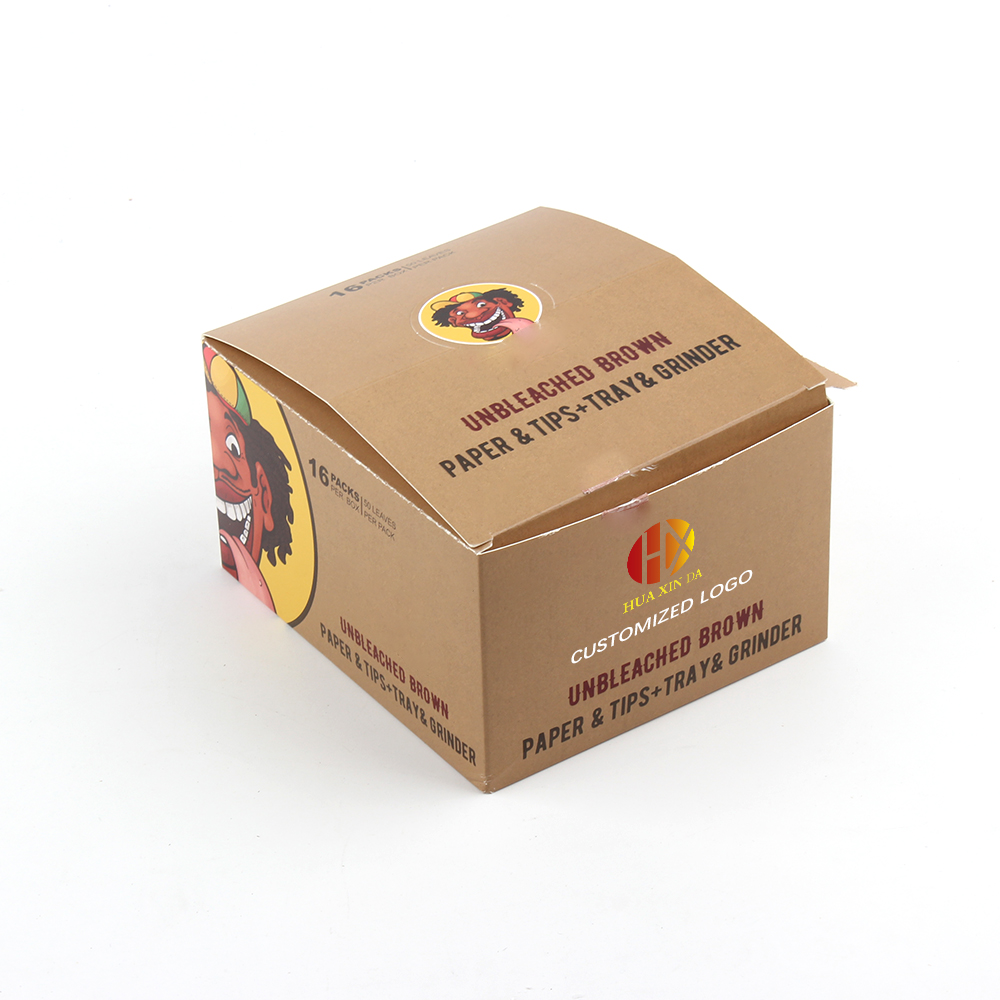
Storing custom filters properly is essential for maintaining their quality and performance over time. Moisture degradation represents one of the most common challenges faced by businesses and consumers who rely on stored custom filters for consistent results. When filters absorb excess moisture, they become structurally compromised, lose their effectiveness, and can develop unpleasant odors or mold growth. Understanding the mechanisms behind moisture damage and implementing preventive strategies ensures that your custom filters remain in optimal condition throughout their storage life.
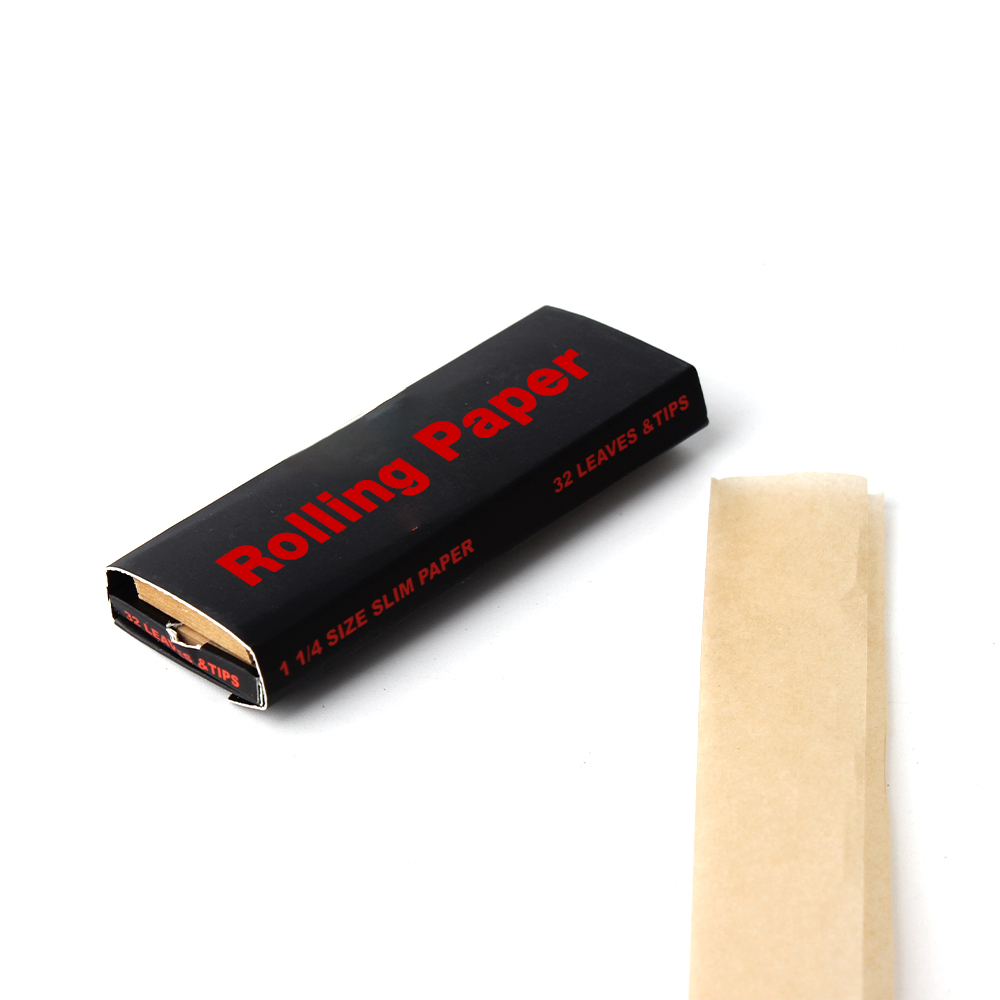
The challenge of preserving custom filters goes beyond simple storage. Environmental humidity, temperature fluctuations, and inadequate packaging all contribute to moisture infiltration. Organizations across industries—from manufacturing to hospitality—depend on reliable custom filters to maintain quality standards. By adopting moisture-resistant materials, employing coated tips, and following proven storage protocols, you can eliminate soggy prevention issues and extend the shelf life of your inventory significantly.
Moisture acts as a primary catalyst for filter degradation. When water vapor permeates the filter structure, it weakens cellulose fibers, compromises adhesive bonds, and creates an environment where bacterial and fungal growth flourishes. Custom filters with porous surfaces absorb ambient humidity readily, especially in warm climates or during seasonal humidity spikes. This absorption causes swelling, warping, and loss of original shape, which directly impacts filtration efficiency and user experience. Understanding this physical process is the first step toward effective soggy prevention strategies.
Several environmental conditions accelerate moisture degradation in stored custom filters. Relative humidity above sixty percent significantly increases water vapor absorption rates. Temperature variations cause condensation inside storage containers, creating pockets of concentrated moisture. Poor ventilation within storage areas traps humid air against filter surfaces. Additionally, direct proximity to water sources, bathrooms, kitchens, or outdoor areas dramatically elevates moisture risk. Facilities located in coastal regions or areas with seasonal rainfall face compounded challenges due to naturally elevated ambient humidity levels throughout the year.
Modern custom filters increasingly feature moisture-resistant coatings that create protective barriers against water vapor infiltration. These coatings typically consist of specialized polymers or wax-based compounds applied to filter surfaces during manufacturing. Moisture-resistant technology prevents water molecules from bonding with filter materials, maintaining structural integrity and filtering performance. When selecting custom filters for storage, prioritize products explicitly labeled as moisture resistant or featuring advanced barrier coatings. Coated tips, in particular, provide enhanced protection at vulnerable endpoints where moisture penetration traditionally begins.
Coated tips represent a targeted approach to soggy prevention by addressing the most vulnerable areas of custom filters. Filter tips naturally attract and absorb moisture because they remain exposed during handling and use. Manufacturers now apply specialized hydrophobic coatings to tips that repel water molecules while maintaining breathability and structural rigidity. These coated tips extend the effective lifespan of custom filters by preventing moisture absorption at the source. The coating technology has advanced significantly, offering both functional protection and aesthetic appeal without altering the original filter characteristics that end users value.
Maintaining proper storage conditions is fundamental to preventing moisture degradation in custom filters. Ideal storage environments maintain relative humidity between thirty and fifty percent, with stable temperatures between sixty-five and seventy-five degrees Fahrenheit. These parameters create conditions where moisture-resistant materials perform optimally and moisture infiltration remains minimal. Storage facilities should feature climate control systems, dehumidifiers, or desiccant packs strategically placed throughout inventory areas. Regular monitoring using hygrometers ensures that environmental conditions remain within specified ranges. Facilities without climate control should implement alternative measures such as silica gel packets, vacuum-sealed packaging, or sealed storage containers with moisture-absorbing liners.
The packaging surrounding custom filters plays a critical role in soggy prevention. Airtight containers create sealed environments that isolate filters from external moisture sources and humidity fluctuations. Vacuum-sealed packaging removes excess air and moisture entirely, offering maximum protection for long-term storage scenarios. Moisture-resistant packaging materials such as mylar, polypropylene, or specialized barrier films provide additional layers of protection. Each custom filter container should include desiccant packets or silica gel sachets that absorb any residual moisture before it contacts filter materials. For high-value inventory or sensitive applications, consider double-layered packaging with intermediate moisture-absorbing materials that provide redundant protection against environmental exposure.
Regular inspection of stored custom filters ensures early detection of moisture-related issues before they compromise entire inventory batches. Visual inspections should identify discoloration, visible mold, soft spots, or structural deformation that indicates moisture absorption. Tactile testing—gentle pressure against coated tips and filter surfaces—reveals changes in firmness or elasticity associated with water saturation. Periodic testing of moisture content using professional moisture meters provides quantitative data about filter condition. Establishing a rotation system where older inventory ships first ensures that custom filters reach customers while moisture-resistant properties remain fully functional. Documentation of inspection results creates accountability and helps identify which storage conditions require adjustment.
Data-driven environmental monitoring provides real-time visibility into storage conditions affecting custom filters. Digital hygrometers with logging capabilities record humidity and temperature trends over weeks or months, identifying problematic patterns. Connected monitoring systems alert facility managers immediately when conditions drift outside optimal ranges, enabling rapid corrective action. This proactive approach prevents moisture degradation before it damages expensive inventory. Regular calibration of monitoring equipment ensures accuracy and reliability. By combining continuous monitoring with periodic physical inspections, organizations create comprehensive quality assurance systems that reliably protect their custom filters from moisture damage and maintain consistent product quality across all storage locations.
Custom filters with quality moisture-resistant coatings typically maintain protective properties for twelve to twenty-four months under proper storage conditions. Environmental factors, coating formulation, and initial application quality influence this timeline. Regular monitoring and rotation practices ensure optimal performance throughout the storage period.
Relative humidity between thirty and fifty percent represents the safest range for preventing moisture degradation in custom filters. Levels above sixty percent significantly increase moisture absorption risks and soggy prevention challenges. Maintaining consistent humidity within the recommended range protects both coated tips and filter bodies.
Unfortunately, custom filters that have absorbed significant moisture cannot be fully restored to original condition. Preventive measures such as moisture-resistant coatings, proper packaging, and environmental control remain the most effective strategies. Once structural damage occurs, replacement is typically the only viable option to maintain quality standards.