EN
EN

quality-assurance-protocols-for-bulk-prerolled-cone-production-lines, quality-assurance-protocols-for-bulk-prerolled-cone-production-lines, /news
EN
2026/08/04
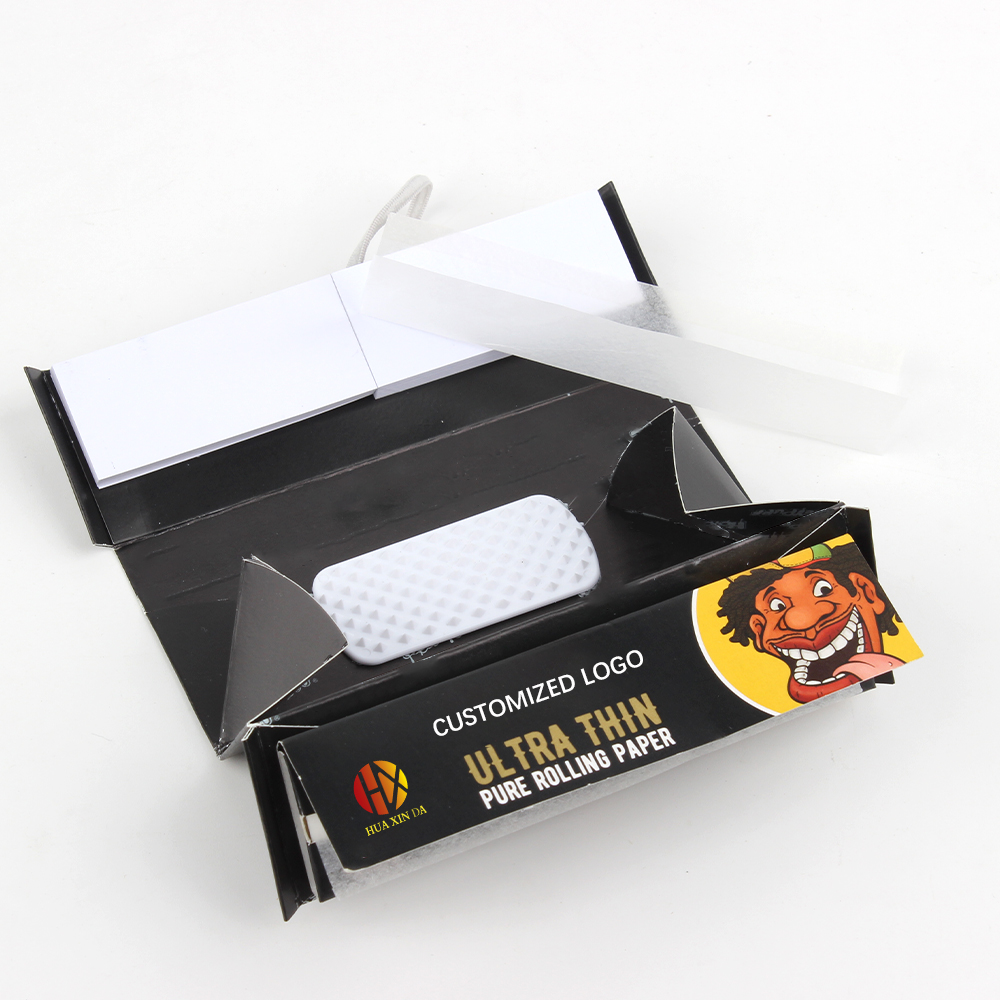
Quality assurance in bulk pre-rolled cones production is a critical operational pillar for any manufacturing facility. When producing pre-rolled cones at scale, maintaining consistent product quality, material integrity, and customer satisfaction requires a comprehensive approach to quality control. Manufacturers must implement rigorous testing protocols, material verification systems, and process standardization to ensure every unit meets industry standards and customer expectations.

Effective quality assurance protocols ensure that bulk pre-rolled cones meet strict dimensional accuracy, material composition, and functional performance standards. For wholesale paper cones suppliers and factory supply operations, implementing comprehensive QA systems protects brand reputation, reduces waste, and strengthens customer relationships in an increasingly competitive market.
The foundation of quality bulk pre-rolled cones begins with incoming material inspection. Wholesale paper cones manufacturers must verify that raw paper stocks meet specified grammage, brightness, and fiber composition requirements before entering the production line. Each batch should be tested for moisture content, tensile strength, and dimensional consistency to prevent downstream manufacturing defects that compromise the final product.
Factory supply operations typically establish baseline specifications for paper suppliers and conduct periodic audits to ensure compliance. Testing equipment such as thickness gauges, moisture meters, and tensile strength machines provides objective data for acceptance or rejection decisions. This preventive approach eliminates materials that could cause rolling failures, structural weakness, or inconsistent cone formation during manufacturing.
Quality pre-rolled cones depend on adhesive formulations that ensure consistent seam bonding without affecting product integrity or user experience. Factory supply teams must verify that adhesive batches maintain proper viscosity, curing time, and bond strength before use in bulk production. Random sampling and pull-strength testing on finished cones validate that adhesive performance meets quality thresholds.
Additive verification includes checks on dyes, burning accelerators, and other proprietary compounds added to paper stocks. Each additive batch requires documentation, safety clearance, and performance testing to confirm it meets specifications and does not introduce contaminants or undesired reactions during the cone production process.
During the manufacturing phase, bulk pre-rolled cones must maintain strict dimensional tolerances for length, diameter, weight, and taper consistency. Quality assurance protocols require real-time measurement systems that track cone dimensions at multiple checkpoints along the production line. Automated vision systems and calibrated measurement devices detect deviations before they result in large batches of non-conforming products.
Wholesale paper cones producers establish target ranges for key dimensions and implement statistical process control to monitor drift over time. If measurements exceed acceptable limits, production operators pause the line, adjust equipment, and verify correction before resuming full-scale manufacturing. This proactive approach minimizes scrap rates and maintains consistent product quality across all units shipped to customers.
The rolling and sealing process directly impacts whether pre-rolled cones function as intended. Quality assurance teams conduct periodic destructive testing by unrolling sample cones and measuring seam strength, adhesive coverage, and paper alignment. Non-destructive testing methods include visual inspection under standardized lighting and tactile assessment of seam integrity to catch rolling defects early.
Factory supply operations establish defect classification standards that define acceptable versus rejected cones based on seam quality, rolling consistency, and structural integrity. Operators trained in quality inspection principles perform regular sampling throughout shifts to maintain accountability and catch equipment drift before it affects product batches.
A comprehensive quality assurance program for bulk pre-rolled cones includes functional testing that validates burning characteristics and user experience. Test samples are lit and monitored to ensure even burn rates, consistent ash formation, and expected smoking duration. This testing confirms that materials, additives, and rolling parameters combine to deliver the performance customers expect.
Wholesale paper cones manufacturers may test samples from every production batch or establish frequency-based schedules for high-volume runs. Environmental conditions during testing are controlled to ensure repeatability and valid comparison against reference standards. Results are documented and traceability data links functional performance back to specific production runs and material batches.
Before pre-rolled cones leave the factory, packaging integrity must be verified to prevent contamination or damage during transit. Quality protocols mandate inspection of packaging materials, sealing processes, and labeling accuracy to ensure customers receive products in perfect condition. Batch coding and traceability systems link finished products to raw material lots, production dates, and QA test results for complete supply chain visibility.
Factory supply operations maintain detailed records that enable rapid recalls or product investigations if customer complaints arise. Traceability systems provide factory supply teams and wholesale customers with complete documentation of material sources, production parameters, test results, and shipping dates for every batch released to market.
Critical parameters include paper grammage and moisture content, adhesive bond strength, cone dimensional accuracy, seam integrity, burn rate consistency, and packaging seal quality. Real-time monitoring of these variables throughout the production line enables rapid detection and correction of deviations before they affect large product quantities.
Destructive testing frequency depends on production volume and historical defect rates. Factory supply operations typically conduct destructive tests on samples from each production batch or at minimum every shift for high-volume operations. Established baselines and statistical process control methods guide decisions about testing frequency and acceptance criteria.
Complete traceability links finished products to specific raw material batches, production dates, equipment settings, and quality test results. This documentation enables rapid investigation of customer complaints, supports targeted recalls if needed, and provides data for continuous improvement initiatives that strengthen overall quality performance.