EN
EN

quality-assurance-standards-for-bulk-unbleached-rolling-paper-production, quality-assurance-standards-for-bulk-unbleached-rolling-paper-production, /news
EN
2026/08/26

Quality assurance standards for unbleached rolling papers represent a critical foundation in the manufacturing and distribution of bulk unbleached paper products. As demand for wholesale natural paper continues to grow across global markets, understanding the rigorous standards that govern production becomes essential for suppliers, manufacturers, and distributors. Unbleached rolling papers must meet precise specifications to ensure consistent performance, safety, and customer satisfaction in every batch produced at factory supply facilities.
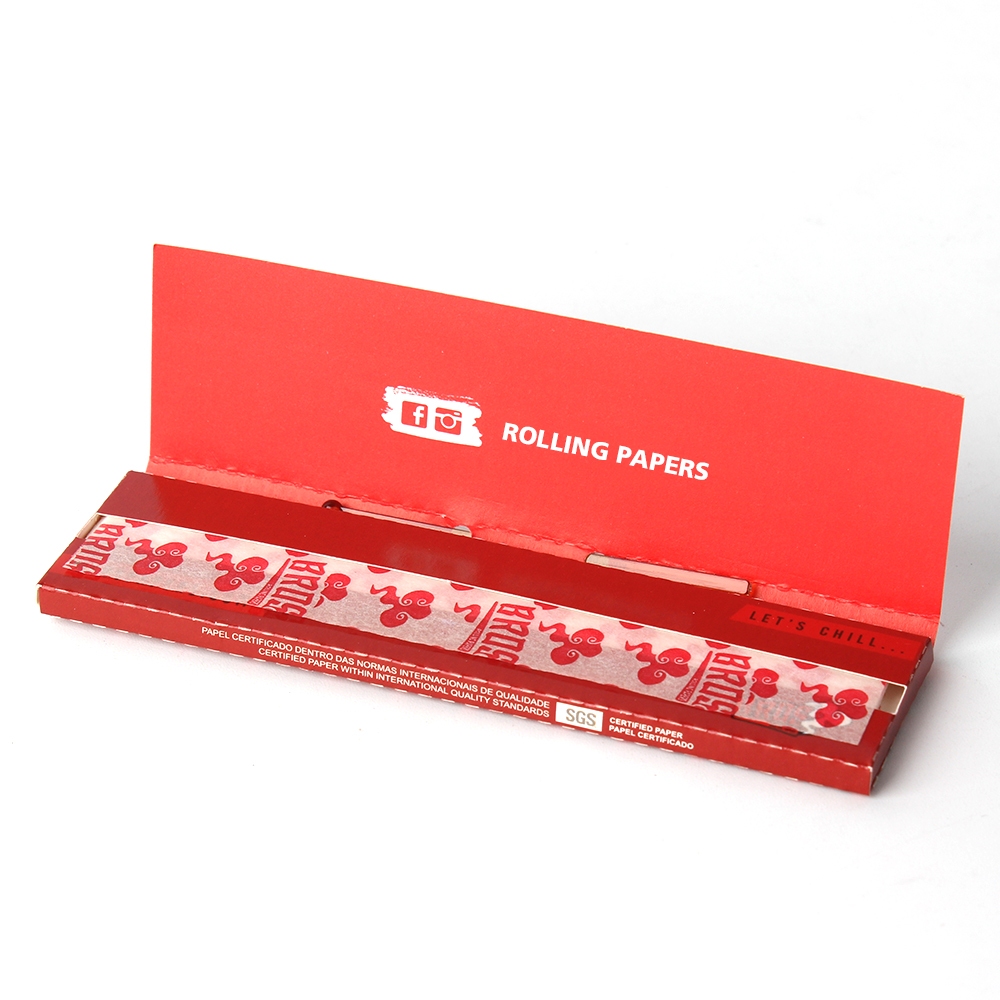
The production of bulk unbleached paper requires adherence to multiple quality frameworks that address material composition, manufacturing processes, and final product characteristics. Standards ensure that factory supply operations maintain consistency across large production runs while meeting health, safety, and environmental requirements. Wholesale natural paper manufacturers who implement comprehensive quality assurance protocols strengthen their competitive position and build trust with distributors and end users alike.
The foundation of quality assurance for unbleached rolling papers begins with raw material selection. Bulk unbleached paper sourcing must prioritize virgin wood fiber or certified recycled cellulose that meets fiber length, brightness, and purity specifications. Factory supply operations conduct rigorous incoming material inspections to verify that pulp meets established standards before it enters the production workflow. Testing includes fiber morphology analysis, ash content measurement, and contaminant screening to ensure only suitable materials proceed to processing stages.
Wholesale natural paper manufacturers maintain strict supplier qualification programs that document material traceability and consistency. Each batch of pulp undergoes laboratory analysis to confirm whiteness levels, brightness stability, and chemical composition. These quality controls prevent defects such as yellowing, brittleness, or inadequate burn characteristics that would compromise the final unbleached rolling papers product.
Quality assurance standards for bulk unbleached paper include comprehensive protocols for any additives or processing chemicals used during production. Most quality-focused manufacturers minimize chemical use to preserve the natural properties that consumers expect from wholesale natural paper. However, when sizing agents, binders, or slip agents are necessary, they must meet food safety, health, and environmental regulations applicable in target markets.
Factory supply facilities maintain detailed chemical inventory records and conduct regular audits to ensure compliance with industry standards and local regulations. Documentation of all substances used in unbleached rolling papers production supports traceability and enables rapid response to any safety concerns or regulatory changes.
Effective quality assurance for bulk unbleached paper depends on continuous process monitoring throughout all manufacturing stages. Factory supply operations implement automated sensors and manual checkpoints to track paper thickness, moisture content, tensile strength, and porosity at multiple intervals. These real-time measurements enable operators to make immediate adjustments when parameters drift beyond acceptable ranges, preventing entire batches of wholesale natural paper from falling below quality standards.
Documentation systems record every process variable, creating a complete audit trail for each production run. This traceability proves invaluable for quality investigations and helps manufacturers identify root causes when issues emerge. Advanced factory supply facilities use statistical process control methods to predict and prevent defects before they occur in bulk unbleached paper batches.
Quality standards for wholesale natural paper production mandate rigorous equipment maintenance schedules and regular calibration of all measurement instruments. Worn rollers, misaligned screens, or poorly calibrated thickness gauges can introduce variations that compromise bulk unbleached paper consistency. Manufacturers establish preventive maintenance protocols that address potential equipment issues before they affect product quality.
Testing instruments used to verify unbleached rolling papers properties must be calibrated against national or international standards at defined intervals. Quality assurance teams maintain calibration records and implement equipment replacement schedules based on accuracy specifications. Factory supply operations that invest in precision equipment demonstrate their commitment to delivering wholesale natural paper that meets customer expectations consistently.
Comprehensive laboratory testing forms the backbone of quality assurance for unbleached rolling papers production. Testing protocols evaluate bulk unbleached paper across multiple dimensions including tensile strength, tear resistance, burst strength, and combustion characteristics. Wholesale natural paper samples drawn from each production batch undergo standardized tests that compare results against established specifications and historical performance data.
Advanced factory supply laboratories also conduct smoking quality assessments, measuring burn rate, burn consistency, and ash formation to ensure that unbleached rolling papers perform reliably in actual use. These tests validate that the final product delivers the smooth, predictable burn characteristics that consumers demand from premium bulk unbleached paper products.
Quality standards for wholesale natural paper increasingly emphasize environmental safety and compliance with global regulations. Factory supply operations conduct testing to verify that unbleached rolling papers contain no prohibited substances and meet heavy metal limits established by health authorities. Manufacturers test for the presence of chemicals, pesticides, or contaminants that might pose health risks to consumers of bulk unbleached paper products.
Certification programs such as ISO standards and third-party testing validate that manufacturing processes and finished products meet internationally recognized quality benchmarks. These certifications provide wholesale natural paper customers with documented proof that bulk unbleached paper has undergone rigorous evaluation by independent experts.
Unbleached rolling papers retain natural lignin and cellulose properties, resulting in a tan or cream color without chemical bleaching. The absence of bleach agents preserves environmental integrity and appeals to consumers seeking natural products. Quality assurance for unbleached rolling papers focuses on controlling the natural burn characteristics and ensuring consistent color and texture that distinguish them from bleached varieties.
Factory supply facilities implement standardized testing procedures, automated process controls, and comprehensive documentation systems to maintain consistency. Each batch of bulk unbleached paper undergoes identical quality checks, and production parameters are monitored continuously to identify and correct variations in real time. Statistical analysis of historical data helps manufacturers predict and prevent deviations before they affect wholesale natural paper quality.
Third-party certification provides independent verification that bulk unbleached paper meets established quality, safety, and environmental standards. Customers and distributors rely on certification as evidence that unbleached rolling papers have been tested by credible external experts. Certifications strengthen market credibility and often become requirements for entry into regulated markets or premium distribution channels.