EN
EN

raw-material-selection-and-pulp-quality-in-ecofriendly-prerolled-cones, raw-material-selection-and-pulp-quality-in-ecofriendly-prerolled-cones, /news
EN
2026/09/11
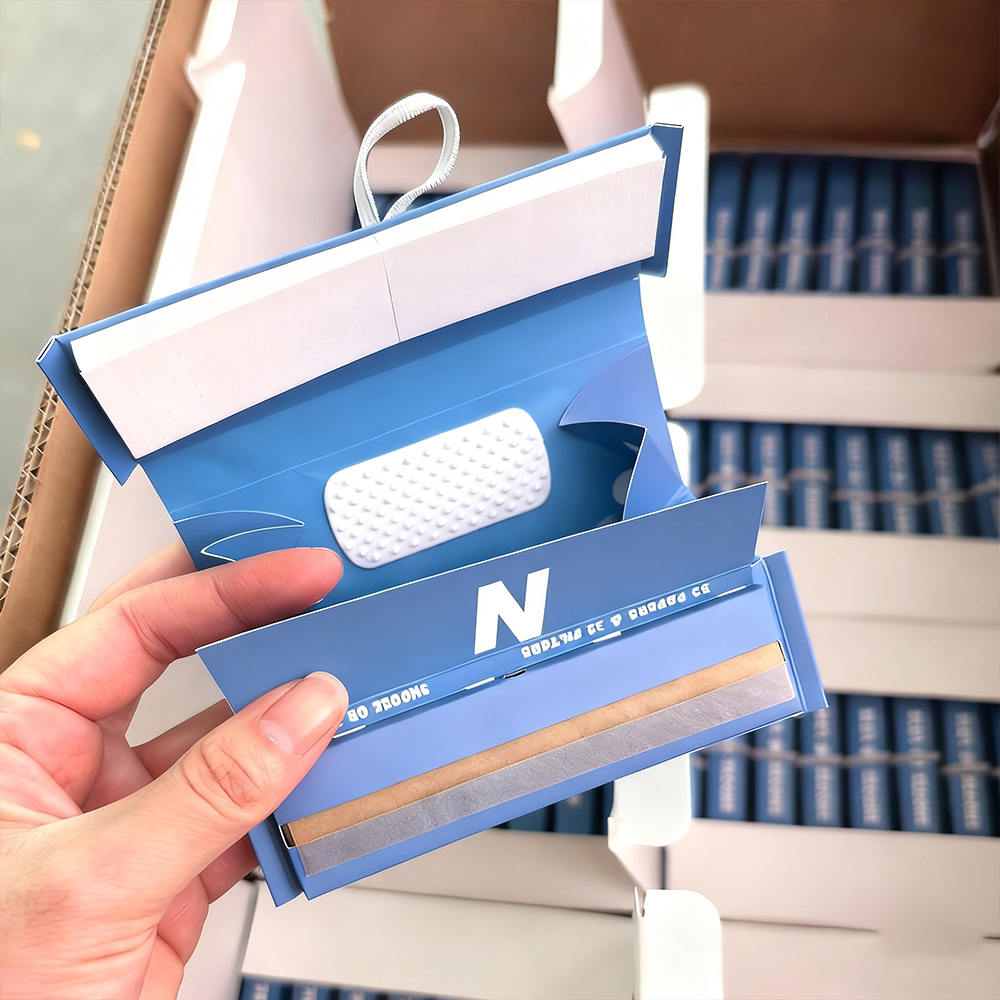
The quality of pre-rolled cones depends fundamentally on the raw materials and pulp composition used during manufacturing. For manufacturers and retailers seeking sustainable options, understanding how material selection drives both product performance and environmental impact has become essential. This guide explores how pulp quality, fiber sourcing, and eco-conscious processing directly influence the final characteristics of pre-rolled cones that consumers trust and rely upon.
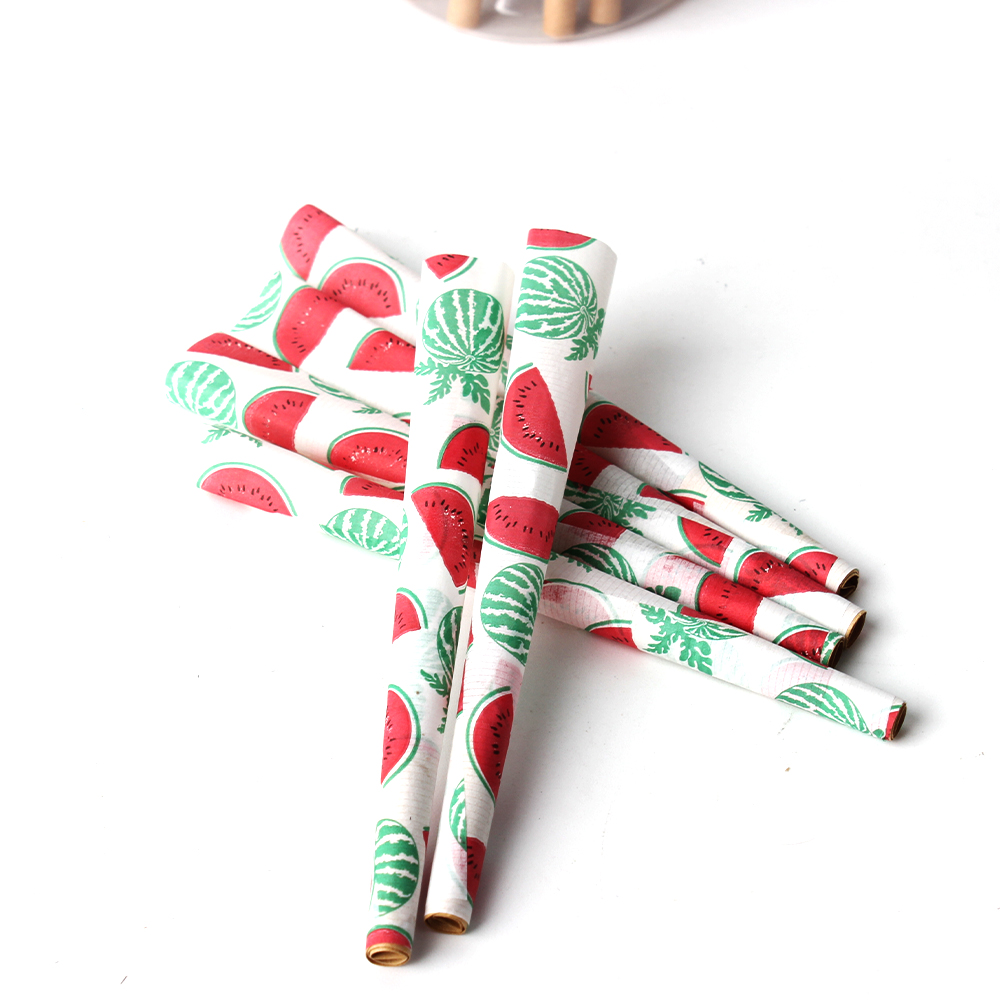
Choosing the right raw materials for pre-rolled cones production requires balancing performance expectations, cost efficiency, and environmental responsibility. The pulp source, processing method, and chemical treatments applied during manufacturing all affect cone functionality, burn rate, and consumer satisfaction. A commitment to sustainable pre-rolls means evaluating every input from harvesting through the final product.
The foundation of quality pre-rolled cones lies in selecting appropriate fiber sources. Manufacturers typically source pulp from responsibly managed forestry operations or recycled paper streams. Using organic paper cones requires sourcing virgin fiber from sustainably certified forests that maintain biodiversity and follow ethical harvesting practices. Recycled fiber offers another pathway to sustainability, reducing demand for fresh timber while minimizing waste sent to landfills.
Hemp and flax fibers represent emerging alternatives for eco-conscious manufacturers seeking differentiation. These rapidly renewable crops require fewer pesticides and fertilizers compared to conventional timber cultivation. When blended with wood pulp, these alternative fibers can improve cone structural integrity while supporting agricultural sustainability. The choice between virgin, recycled, and alternative fibers ultimately shapes the environmental footprint of sustainable pre-rolls distributed in the market.
Once fiber is sourced, the pulping process determines pulp quality and the final characteristics of pre-rolled cones. Mechanical pulping preserves more fiber but may produce weaker results, while chemical pulping creates stronger, more durable cones suitable for premium applications. Bleaching treatment affects brightness and appearance, yet conventional chlorine bleaching raises environmental concerns that many manufacturers now avoid in favor of chlorine free cones.
Advanced pulp mills implement closed-loop water systems, reducing contamination and minimizing effluent discharge. Oxygen-based bleaching and elemental chlorine-free (ECF) processes deliver bright, strong pulp without the environmental toxicity of traditional chlorine bleaching. These modern processing techniques directly improve the appeal and safety profile of organic paper cones, supporting market demand for truly sustainable pre-rolls.
The additives incorporated during pulp and paper manufacturing significantly influence both safety and sustainability of pre-rolled cones. Chlorine-based bleaching agents, while historically common, leave harmful residues that persist throughout the product lifecycle. Chlorine free cones eliminate this risk by substituting hydrogen peroxide, ozone, or oxygen-based bleaching systems that decompose into harmless byproducts.
Sizing agents, dyes, and coating compounds must also undergo rigorous evaluation in pre-rolled cones manufacturing. Water-resistant sizing improves burn performance but traditionally relied on fluorinated compounds (PFAS) linked to persistent environmental contamination. Leading manufacturers now adopt PFAS-free alternatives that maintain performance while reducing long-term ecological impact, reinforcing the credibility of sustainable pre-rolls available to conscious consumers.
Rigorous testing protocols ensure that pre-rolled cones meet both performance and safety standards. Tensile strength testing confirms the cone can withstand handling and use without tearing. Burn rate analysis verifies consistent flame spread, ensuring a uniform consumer experience across every unit. Contaminant screening identifies any residual chemical traces that could affect product safety or create undesirable flavors during use.
Compliance with international standards such as FDA food contact regulations, EU ecological labeling criteria, and industry-specific certifications validates the sustainability claims associated with organic paper cones and chlorine free cones. Third-party testing laboratories provide independent verification of manufacturing practices, offering retailers and end users confidence that marketed sustainable pre-rolls deliver on their environmental and quality promises.
The pulp composition directly controls how pre-rolled cones burn during use. Uniform fiber length distribution ensures even flame propagation and prevents tunneling, where uneven burning creates air pockets inside the cone. High-quality pulp sourced from consistent forestry or recycled streams delivers predictable fiber properties that translate into superior user experience with pre-rolled cones manufactured to specification.
Fiber strength impacts the cone's ability to maintain structural integrity while burning. Weak or degraded pulp creates fragile cones prone to cracking or collapsing during packing, transport, and consumer use. By selecting premium pulp with optimal fiber length and strength characteristics, manufacturers ensure that sustainable pre-rolls perform reliably, meeting consumer expectations and reducing waste from defective units returned or discarded prematurely.
Pulp quality determines how effectively the finished cone resists moisture absorption from the environment. Excessive moisture causes dimensional swelling, warping, or difficulty in consistent packing. Paper coating systems applied to premium organic paper cones create moisture barriers that maintain dimensional stability throughout distribution and storage. This stability is critical for pre-rolled cones that must stack uniformly in packaging and maintain structural alignment in consumer hands.
Proper pulp refinement, fiber swelling, and chemical sizing work synergistically to optimize water resistance without compromising the biodegradability properties that define sustainable pre-rolls. Manufacturers balance these factors through sophisticated process control, ensuring that chlorine free cones delivered to market perform reliably while maintaining their ecological benefits throughout the product lifecycle.
Fiber length consistency, tensile strength, and moisture resistance are the three primary pulp quality factors affecting pre-rolled cones performance. Uniform fiber length ensures even burning, adequate strength prevents structural collapse, and proper moisture resistance maintains dimensional stability. These characteristics depend on both the raw material source and the chemical and mechanical processing applied during pulp production.
Chlorine free cones address environmental and safety concerns associated with traditional chlorine bleaching. Chlorine-based residues persist in the final product and environment, while oxygen-based bleaching alternatives deliver equivalent brightness and strength with lower toxicity. Consumer demand for truly sustainable pre-rolls has driven manufacturers to adopt chlorine free processing, making it a competitive necessity rather than optional differentiator in today's eco-conscious market.
Organic paper cones source fiber from sustainably managed forests or certified renewable sources with rigorous environmental oversight. Standard pre-rolled cones may use conventional timber from less regulated sources or recycled material without environmental verification. Organic paper cones typically avoid synthetic additives and harsh chemical processing, appealing to consumers prioritizing environmental integrity. The certification and traceability standards associated with sustainable pre-rolls provide transparency absent from commodity manufacturing.