EN
EN

rice-paper-vs-wood-pulp-rolling-paper-booklets-performance-comparison, rice-paper-vs-wood-pulp-rolling-paper-booklets-performance-comparison, /news
EN
2026/08/12
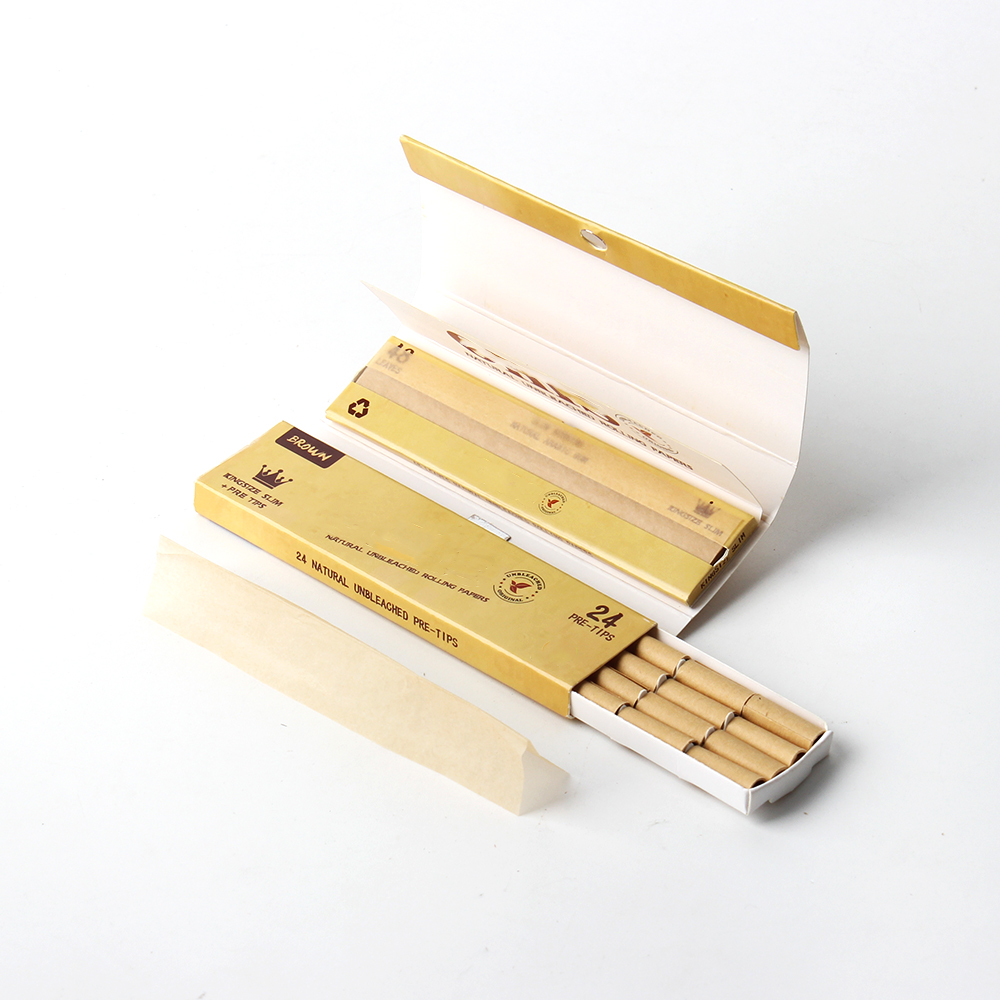
Choosing the right rolling paper booklets depends on understanding the material composition and how each performs under real-world conditions. Rice paper and wood pulp represent two distinct manufacturing approaches, each with unique characteristics that affect burn rate, flavor preservation, and user experience. The differences between these materials go beyond simple preference—they reflect fundamental differences in processing, structural integrity, and chemical composition that directly influence the final product quality.
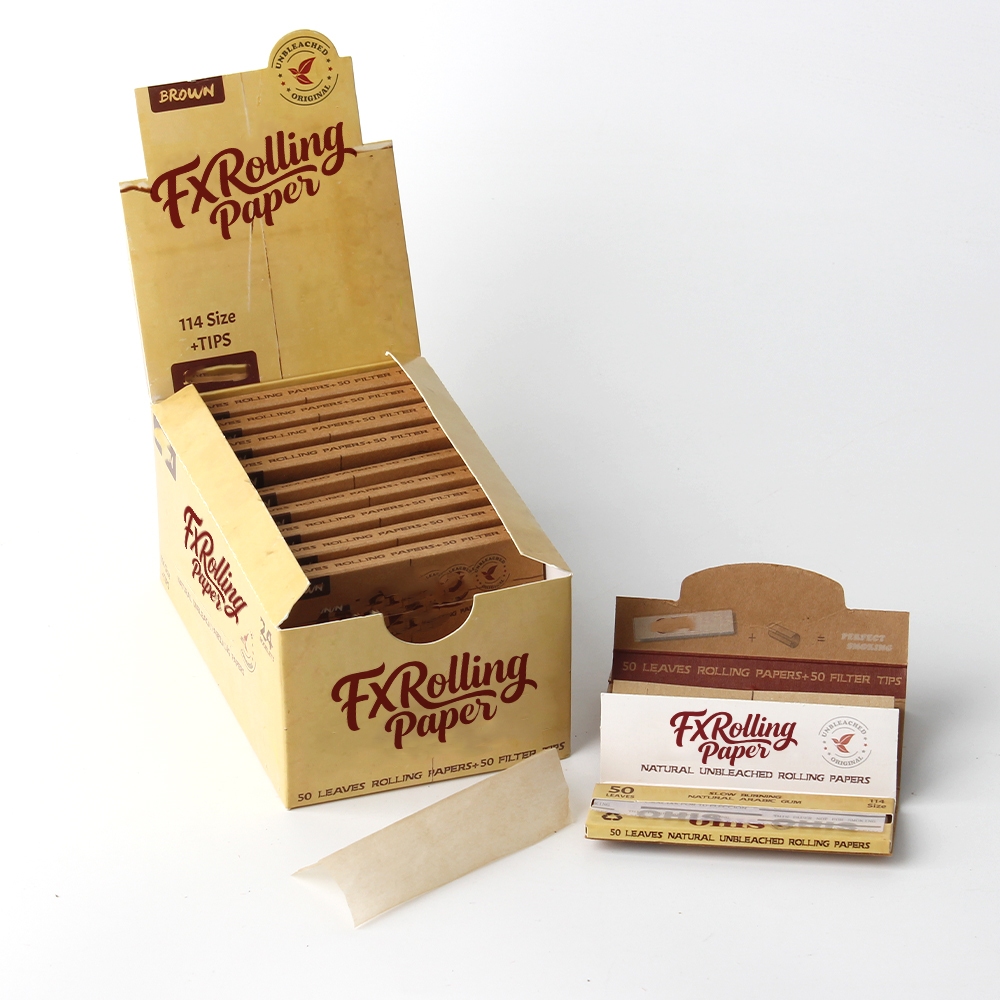
Understanding what makes rolling paper booklets perform well requires examining the raw materials, processing methods, and end-user outcomes. Both rice paper and wood pulp options exist in today's market, but they serve different priorities. Whether you prioritize clean burns, transparent cellulose visibility, minimal ash, or flavor neutrality will determine which material best suits your needs. This comparison explores the practical performance metrics that matter most to discerning users.
Rice paper rolling paper booklets are crafted from rice straw fibers that are processed, cleaned, and refined into thin sheets. The manufacturing process for rice paper involves pulping agricultural waste, which creates a naturally porous yet durable material. Rice paper typically contains fewer chemical additives compared to wood pulp alternatives, and this minimal processing contributes to its clean burning properties. The transparent cellulose paper quality in rice variants allows users to see the contents clearly while maintaining structural integrity throughout use.
The fiber structure of rice paper creates natural micro-perforations that promote even burn rates. Ultra thin paper made from rice produces minimal ash residue because the fibers burn more completely than heavier alternatives. When manufacturers produce rice paper booklets, they often add gum lines derived from natural plant sources, which further reduces chemical exposure during consumption.
Wood pulp rolling paper booklets originate from tree fiber processed through mechanical and chemical pulping methods. This approach produces sheets with different structural properties—generally thicker, denser, and more uniform than rice paper alternatives. Wood pulp typically requires chemical bleaching and additional processing steps to achieve the desired opacity and strength. The ultra thin paper designation applies less frequently to wood pulp varieties because their manufacturing chemistry creates denser fiber networks.
Wood pulp booklets often contain cellulose additives, sizing agents, and chemical binders that improve shelf stability and moisture resistance. These additions affect burning characteristics, typically creating heavier ash and slower combustion compared to rice paper options. Transparent cellulose paper effects are less pronounced in wood pulp products due to the material's inherent opacity and chemical composition.
Rice paper rolling paper booklets consistently demonstrate faster, more even burn rates due to their porous fiber structure and minimal chemical additives. The ultra thin paper composition allows oxygen to pass through more readily, promoting complete combustion without uneven burning or canoeing effects. Users report that rice paper varieties produce a smooth, predictable burn experience that remains consistent across different environmental conditions, including humidity variations. The transparent cellulose paper quality in rice materials means users can monitor burn progress visually without thickness interference.
Wood pulp booklets exhibit slower burn rates due to denser fiber packing and chemical binding agents present in the material. While this slower combustion can offer some users extended sessions, it often results in uneven burning patterns that require frequent relighting and adjustment. The heavier composition means wood pulp varieties continue burning even when combustion becomes irregular, potentially leading to wasted material and suboptimal consumption experiences.
Rolling paper booklets made from rice paper produce significantly less ash residue, with most combustion byproducts dispersing as smoke rather than accumulating as solid ash. This minimal ash output reflects the efficient burning characteristics of rice fiber structures and the absence of chemical binders that create heavier residues. Users report that rice paper preserves the natural flavor profile of their contents more effectively, as fewer chemical compounds migrate into the smoking experience. The transparent cellulose paper composition in rice varieties ensures that flavor remains the primary sensory component.
Wood pulp booklets generate noticeably heavier ash accumulation because the chemical additives and denser fibers produce more combustion byproducts. These byproducts include residues from sizing agents, bleaching compounds, and binding materials that don't combust cleanly. The flavor profile shifts toward chemical notes when wood pulp is used, which many users find less desirable compared to the neutral taste of rice paper alternatives. Ultra thin paper won't solve this issue with wood pulp because the core chemistry remains unchanged.
Experienced users typically prefer rice paper rolling paper booklets because the performance characteristics reward understanding and technique. The even burns, minimal ash, and flavor preservation align with users who prioritize quality consumption experiences and understand the impact of material science. Rice paper booklets perform exceptionally well for users who prepare their contents with precision and care. The transparent cellulose paper visibility also appeals to users who want to inspect their materials before use and monitor combustion progress in real time.
Casual users sometimes favor wood pulp booklets because the slower burn rate provides more time per session, and the heavier material feels sturdier during handling. However, this preference often reflects inexperience rather than genuine material superiority. Once users understand how ultra thin paper and rice paper perform, many switch to rice-based options for superior overall experience. Wood pulp serves primarily as a cost-reduction alternative when budget constraints override performance considerations.
Rice paper rolling paper booklets align with users seeking minimal chemical exposure during consumption. The agricultural waste processing method reduces environmental impact compared to forest-based pulping operations. Many manufacturers source rice paper from sustainable agricultural regions, creating positive supply chain implications. The transparent cellulose paper in rice variants requires fewer bleaching and chemical treatment steps, translating to lower toxic byproducts during manufacturing.
Wood pulp booklets involve more intensive chemical processing, which raises environmental concerns regarding water pollution and chemical waste from bleaching operations. The heavier chemical load in finished wood pulp products also means users expose themselves to additional compounds beyond the primary combustion contents. Ultra thin paper manufacturing can reduce material waste, but wood pulp's chemical profile remains unchanged regardless of thickness. Users prioritizing health-conscious consumption consistently select rice paper alternatives after comparing the chemical exposure profiles.
Rice paper and wood pulp pricing depends on production scale, regional manufacturing costs, and market positioning rather than inherent material value. While rice paper historically commanded premium prices, competitive markets have compressed pricing differentials significantly. Quality transparent cellulose paper from either material type will cost more than basic commodity options. The price difference typically reflects quality tier rather than absolute material superiority, making rice paper increasingly accessible across price points.
Reducing thickness doesn't fundamentally alter wood pulp's chemical composition or burn characteristics. Ultra thin paper made from wood pulp still contains the same binding agents, bleaching residues, and processing chemicals present in standard varieties. While thinner wood pulp may burn slightly faster than thicker wood pulp, it won't replicate the performance profile of rice paper booklets. Material composition drives performance more powerfully than thickness alone, making material selection the primary performance variable.
Transparent cellulose paper allows users to visually inspect contents before use and monitor burn progression during consumption. Rice paper naturally exhibits this transparency due to its fiber structure and minimal additives, while wood pulp requires special processing to achieve similar clarity. Transparency serves both practical quality assurance and aesthetic preference purposes. Users value the ability to see exactly what they're consuming and how the material burns throughout the session.