EN
EN

structural-design-strategies-for-multipack-preroll-packaging-boxes, structural-design-strategies-for-multipack-preroll-packaging-boxes, /news
EN
2026/09/09
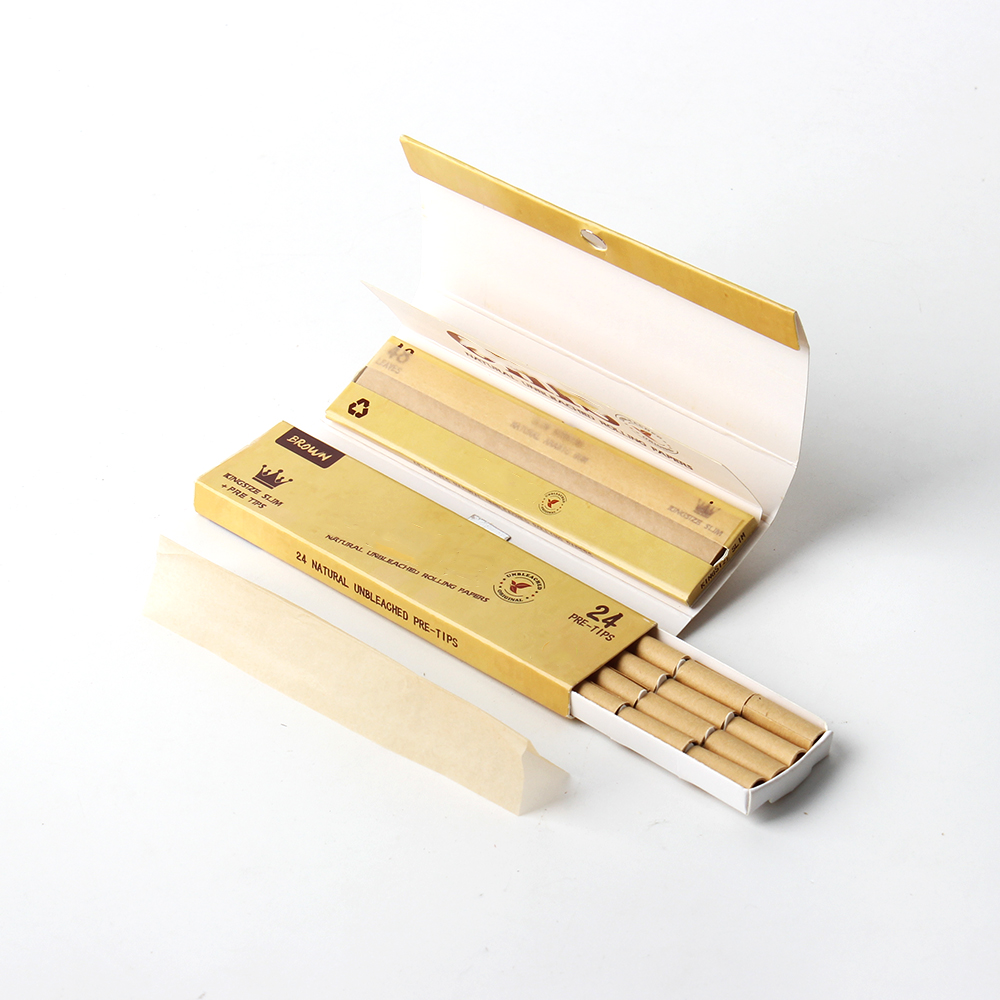
Multi-pack pre-roll packaging demands careful structural consideration to ensure product integrity, consumer safety, and brand presentation. The design of these boxes must balance aesthetic appeal with functional durability, protecting delicate contents during storage, transportation, and handling. Retailers and manufacturers increasingly recognize that structural integrity directly impacts customer satisfaction, product loss, and regulatory compliance. A well-engineered pre rolled tube box prevents crushing, moisture infiltration, and unwanted product shifting while maintaining shelf presence. Understanding the key structural principles behind multi-pack design enables businesses to create packaging solutions that stand out in competitive markets while meeting industry standards.
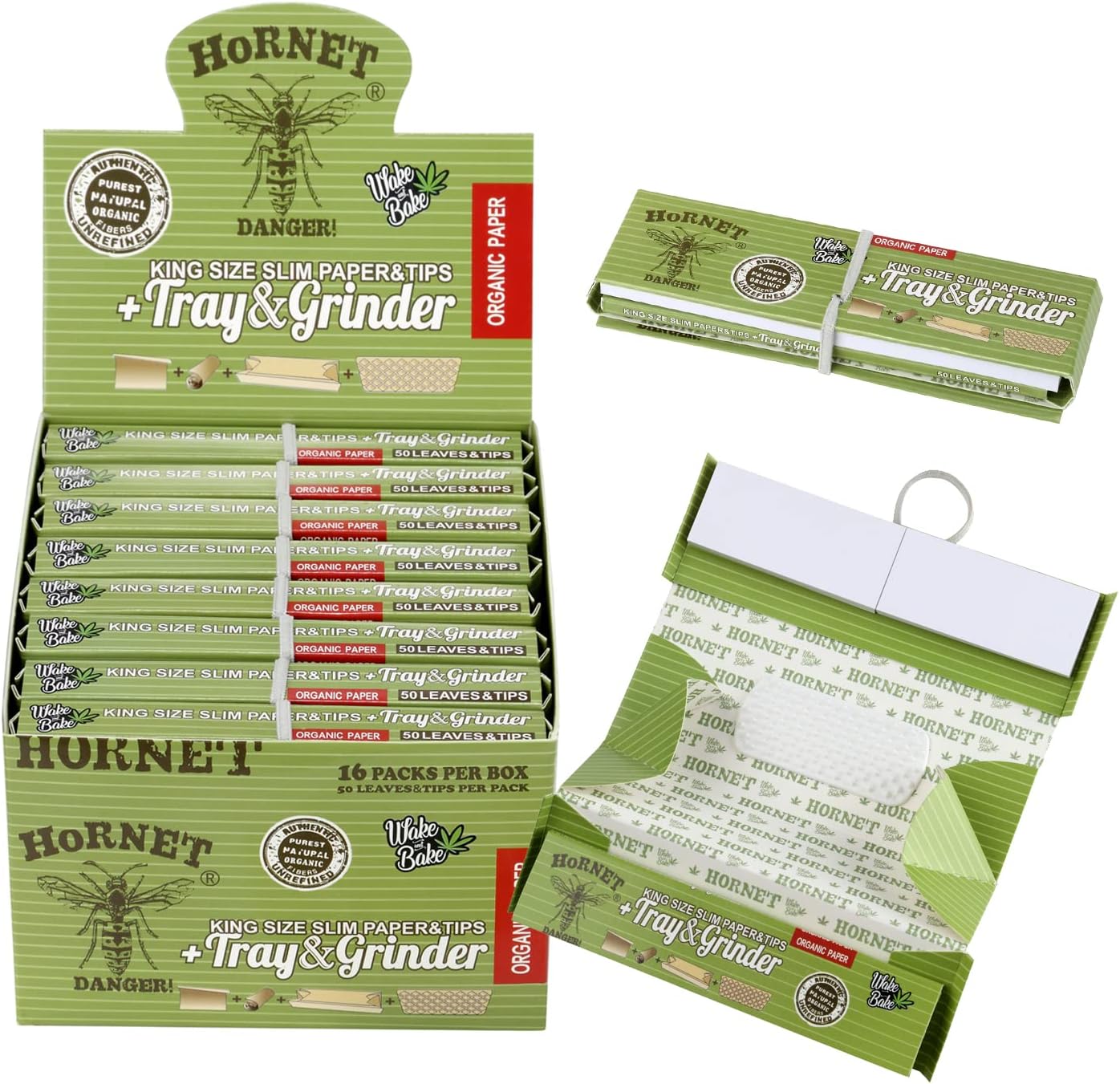
The structural integrity of multi-pack joint packaging boxes extends beyond simple material selection. These containers must accommodate multiple individual items, distribute weight evenly, and maintain rigidity under varying environmental conditions. Advanced packaging solutions now integrate reinforced edge designs, optimized fold patterns, and strategic material layering to achieve superior protection. The complexity increases when designers must account for moisture barriers, temperature fluctuations, and the natural settling of contents during distribution. Businesses investing in scientifically-backed structural design gain competitive advantages through reduced damage claims, improved customer retention, and enhanced brand reputation in the marketplace.
Selecting appropriate materials forms the foundation of effective pre rolled tube box design. Corrugated cardboard remains the industry standard, offering exceptional strength-to-weight ratios and recyclability. The flute profile—whether A, B, C, or E—determines compression strength and protective capacity. For multi-pack pre-roll packaging, double-wall or triple-wall construction provides superior rigidity compared to single-wall alternatives. Material grade selection must consider the total weight of contents, anticipated handling forces, and environmental exposure. Designers must also account for material thickness variations that affect both structural performance and production costs. Testing standards such as edge crush testing and bursting strength evaluation ensure that chosen materials meet or exceed performance requirements for joint packaging applications.
Multi-pack designs require sophisticated load distribution strategies to maintain structural integrity throughout the supply chain. Proper base reinforcement prevents bottom-out failure when stacking multiple boxes vertically. Internal dividers in pre rolled tube box configurations distribute weight across the entire structure rather than concentrating stress at single points. Strategic placement of vertical supports and horizontal cross-bracing significantly improves overall rigidity and resistance to crushing forces. The packaging solutions that achieve optimal load distribution typically incorporate engineered fold lines positioned to redirect stress away from vulnerable areas. Engineers calculate load ratings based on the maximum stack height anticipated during warehousing and transportation, then design structures with safety margins of 25 to 40 percent above minimum requirements.
Modern pre-roll packaging incorporates multiple reinforcement techniques to extend structural longevity and protect contents from damage. Edge reinforcement bars—applied to top and bottom perimeters—significantly reduce crush resistance failures. Strategic scoring guides material folding while maintaining structural continuity, preventing inadvertent creasing that compromises integrity. Corner posts and pillar structures within multi-pack joint packaging designs create internal frameworks that absorb and distribute external forces. Some advanced packaging solutions employ kraft paper tape integration along critical fold lines, increasing tear resistance and improving overall box longevity. Businesses increasingly specify these enhancements based on real-world testing data that demonstrates measurable improvements in damage reduction rates and customer satisfaction metrics.
Joint design represents a critical element in pre-roll packaging architecture that directly impacts assembly stability and structural reliability. Lock-tab mechanisms provide superior strength compared to traditional glued joints, maintaining integrity even under pressure variations. Overlapping flap designs distribute stress across larger surface areas, reducing stress concentration at single attachment points. Interlocking patterns specifically engineered for multi-pack joint packaging applications create seamless structural transitions that resist separation during handling. The angle and depth of joint cuts influence both production efficiency and structural performance characteristics. Testing reveals that properly engineered joints maintain 95 percent or greater structural integrity when subjected to standard industry compression tests. Manufacturers optimizing their pre-roll packaging designs often employ CAD modeling and finite element analysis to validate joint performance before physical production begins.
Multi-pack pre-roll packaging must withstand humidity fluctuations, temperature variations, and exposure to diverse environmental conditions throughout the distribution chain. Moisture barriers prevent water ingress that weakens cardboard fibers and compromises structural integrity. Coatings applied to interior surfaces create protective layers that extend product shelf life while maintaining box rigidity. Advanced packaging solutions now incorporate breathable barriers that release excess moisture while preventing liquid penetration. Environmental testing simulates real-world conditions including high humidity storage, temperature cycling, and exposure to sunlight. Pre rolled tube box designs that successfully incorporate these environmental protections demonstrate significantly improved structural performance metrics after accelerated aging studies, translating to better customer experiences and reduced warranty claims.
Maintaining dimensional stability within multi-pack joint packaging designs ensures consistent product positioning and prevents internal movement that causes damage. Precision-engineered internal compartments keep individual units separated and secured throughout shipping and handling operations. Strategic void-fill implementation using cushioning materials absorbs impact forces before they reach delicate contents within the pre-roll packaging. The structural design must account for settling behavior—products naturally compress slightly during extended storage, potentially creating movement opportunities. Modern packaging solutions address this through graduated internal support structures that accommodate settling while maintaining adequate restraint. Testing protocols including vibration testing and drop testing validate that designed compartments successfully prevent product damage under challenging distribution scenarios, providing manufacturers with confidence in their pre rolled tube box specifications.
Multi-pack pre-roll packaging commonly utilizes 200 to 350 pound basis weight corrugated cardboard depending on contents weight and anticipated handling stresses. Double-wall construction with B-flute or C-flute profiles provides optimal performance for most applications. Manufacturers conducting compression testing can precisely determine minimum material specifications required for their specific products and distribution channels. Custom testing ensures packaging solutions meet structural requirements without unnecessary material expenses.
Preventing crushing in joint packaging designs requires combining robust material selection, reinforced edge treatments, and optimized internal architecture. Edge reinforcement bars absorb vertical stacking forces while engineered fold patterns redirect stress away from weak points. Internal cross-bracing and support structures distribute loads across the entire pre rolled tube box rather than concentrating pressure at vulnerable locations. Testing protocols validate that these integrated strategies achieve crush resistance ratings exceeding anticipated real-world loading conditions by safety margins.
Yes, pre-roll packaging can simultaneously achieve structural performance and environmental sustainability through strategic material selection. Recycled content corrugated cardboard maintains full structural integrity while reducing environmental impact. Water-based coatings and eco-friendly adhesives integrate into advanced packaging solutions without compromising durability or protection. Many businesses discover that optimized designs actually reduce material consumption by 10 to 15 percent through efficient structural engineering, lowering both environmental footprint and production costs.