EN
EN

structural-engineering-of-booklet-covers-in-custom-rolling-paper-production, structural-engineering-of-booklet-covers-in-custom-rolling-paper-production, /news
EN
2026/08/17
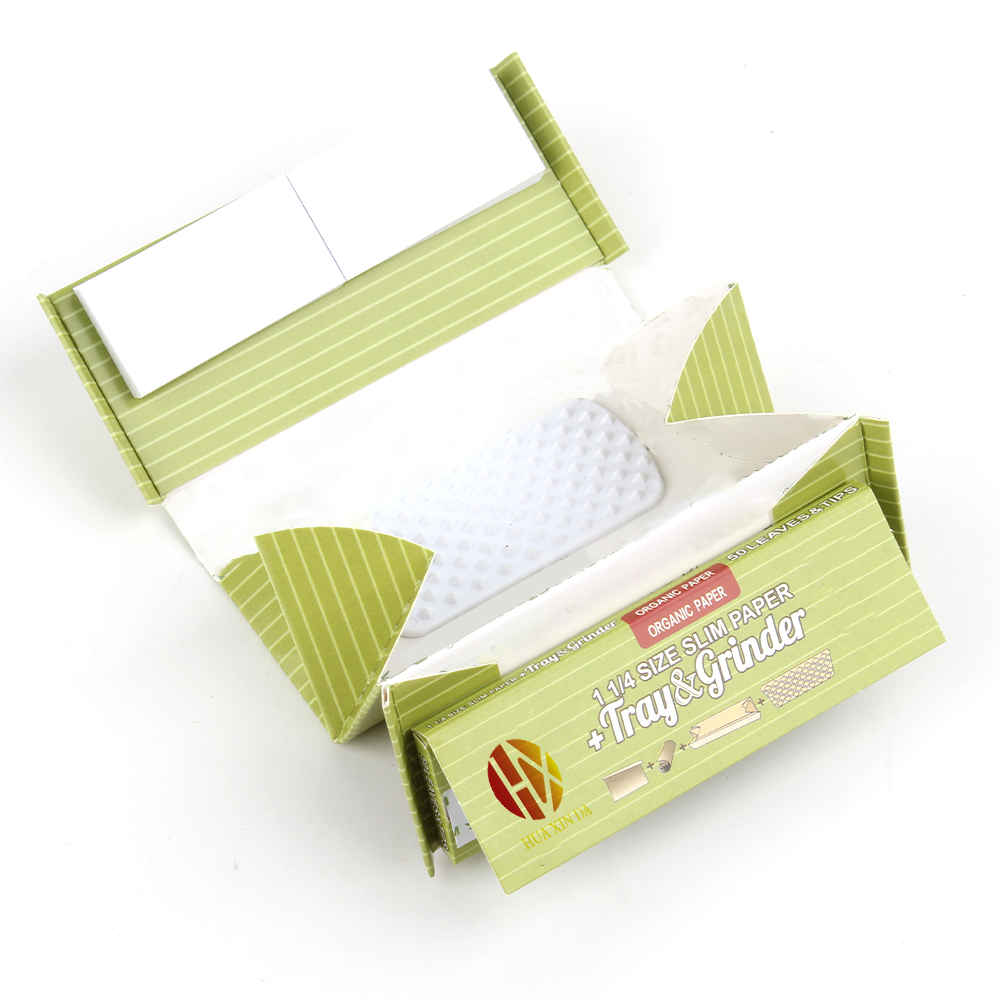
The structural integrity of rolling paper booklets depends fundamentally on thoughtful engineering decisions made during the design and production phases. Custom booklet packaging for rolling papers must balance aesthetic appeal with functional durability, ensuring products reach consumers in pristine condition while standing out on retail shelves. Understanding the structural mechanics behind branded paper booklet design reveals why certain materials, fold patterns, and closure systems perform better than others in real-world distribution environments.
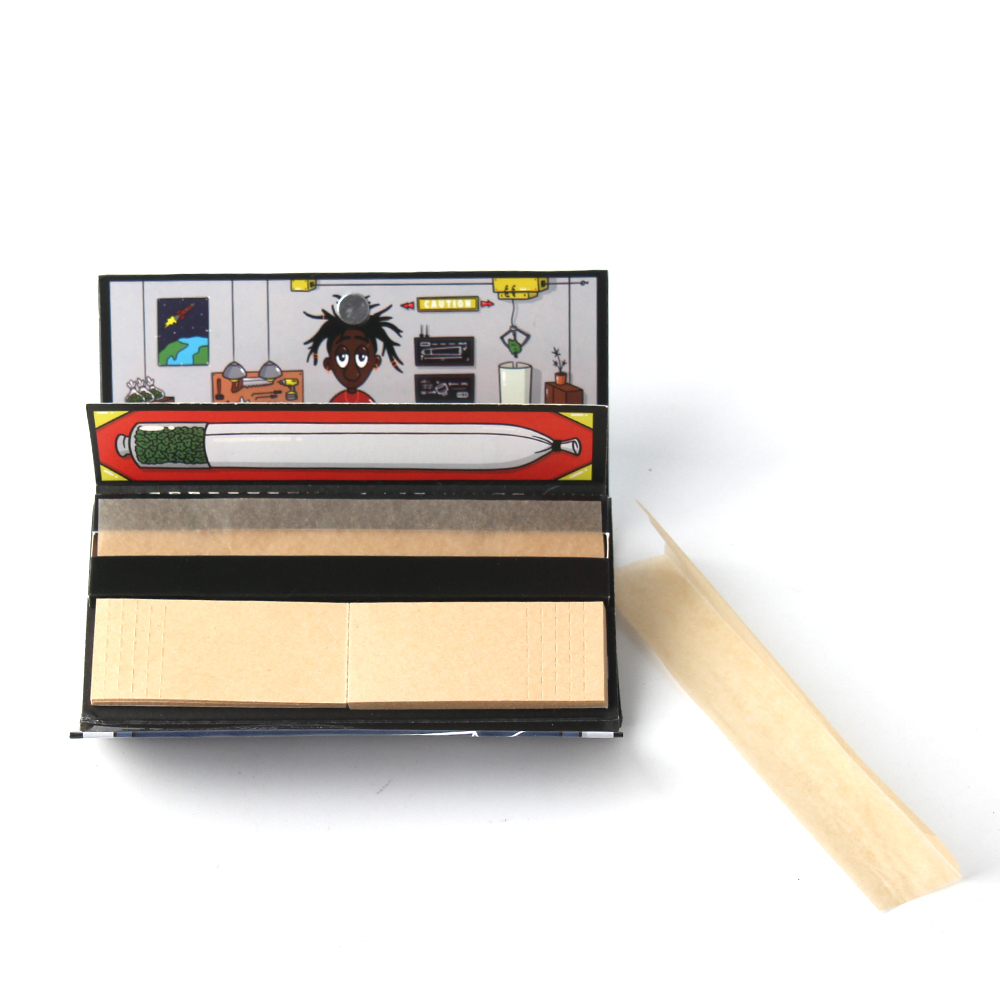
Personalized booklet design in the rolling paper industry requires engineers to evaluate multiple variables simultaneously: paper weight, cover thickness, binding methods, closure mechanisms, and protective internal compartments. Each decision cascades through the manufacturing process and affects how the final product performs during storage, transport, and consumer handling. Brands that invest in structural engineering see measurably better shelf appeal, fewer damaged units, and stronger customer satisfaction compared to products built with minimal design consideration.
The foundation of any robust custom booklet packaging system lies in selecting appropriate substrate materials. For rolling paper booklets, manufacturers typically choose between 250gsm to 350gsm cardstock, with heavier weights providing superior structural protection but increasing production costs. The paper grade—whether coated, uncoated, or specialty stock—determines both the tactile quality and the cover's resistance to moisture, creasing, and surface damage. A personalized booklet constructed from premium-grade cardstock maintains its dimensional stability through temperature and humidity fluctuations that would compromise lesser materials.
Coating selection further refines cover performance. Matte finishes resist fingerprints and provide a sophisticated appearance, while gloss coatings enhance color vibrancy and offer superior moisture resistance. For branded paper booklet applications where environmental conditions during storage or transport may be unpredictable, polyethylene-coated or water-resistant finishes add a critical protective layer. Engineers must balance aesthetic preferences with functional requirements, recognizing that the most beautiful booklet provides no value if its cover deteriorates during the supply chain.
Advanced structural engineering incorporates lamination layers that significantly enhance rolling paper booklet longevity. Full-surface lamination, whether soft-touch or high-gloss, encases the printed cover in a protective polymer shell that resists abrasion, moisture, and UV degradation. Partial lamination—applied only to high-wear areas like the spine, corners, and front cover—optimizes protection where it matters most while reducing weight and cost. Custom booklet packaging with strategic lamination outperforms unlaminated designs by factors of three to five in terms of visible wear after comparable handling.
The lamination process itself demands precision engineering. Temperature, pressure, and adhesive chemistry must be calibrated to prevent bubbling, wrinkles, or delamination that would render a personalized booklet unmarketable. Quality control at this stage directly determines the structural reliability consumers experience when opening and handling their rolling paper booklets day after day.
The binding method chosen for rolling paper booklets fundamentally affects how the structure performs under stress. Saddle-stitch binding, where staples pierce through the spine at the centerfold, works well for thin booklets and provides a clean, professional appearance. However, saddle-stitched custom booklet packaging can separate if subject to repeated opening and heavy handling. Side-stitch binding, where staples run along the spine edge, creates a more rigid structure that resists opening stress, making it ideal for branded paper booklet products designed for daily use and frequent access.
Perfect binding represents a third option where pages are glued together along the spine without staples, creating a flush, sophisticated finish that appeals to premium personalized booklet designs. This method requires careful adhesive formulation and curing control to ensure pages remain securely attached throughout the product lifecycle. Each binding architecture presents distinct trade-offs between structural rigidity, production speed, cost, and aesthetic presentation.
Advanced rolling paper booklets incorporate reinforcement elements that distribute structural stress more effectively. Spine reinforcement strips, typically made from stronger kraft paper or synthetic materials bonded along the interior spine, prevent the booklet from cracking or separating at this critical stress point. Folded spine guards—where the back cover extends slightly beyond the front cover—protect the binding edge from impact damage during distribution. Custom booklet packaging engineered with these reinforcement features maintains structural integrity through thousands of opening cycles that would damage lesser designs.
Designers of branded paper booklet products increasingly incorporate small metal or plastic reinforcement elements at stress concentration points. These fasteners, invisible to consumers but critical to structural performance, anchor the binding system and prevent progressive failure. A personalized booklet designed with stress distribution foremost maintains professional appearance and functionality far longer than competitors that overlook this engineering consideration.
Modern rolling paper booklets benefit from engineered closure systems that provide both functional protection and aesthetic refinement. Magnetic closures, embedded in custom booklet packaging design, hold the booklet securely closed during transport and storage while adding a premium tactile experience. The magnet placement and strength must be calibrated carefully: too weak and the booklet opens uncontrollably, too strong and consumers struggle to open it repeatedly. Structural engineering determines optimal magnet positioning within the cover material to maximize holding force while maintaining design flexibility for branded paper booklet aesthetics.
Impact testing reveals how well magnetic closure systems protect the product during rough handling. Rolling paper booklets with properly engineered closure mechanisms remain sealed when dropped or compressed, preventing contents from shifting or spilling. A personalized booklet with a poorly designed closure fails this basic functional requirement, damaging user experience and product reputation.
Sophisticated rolling paper booklets incorporate internal structural elements that organize and protect contents. Die-cut compartments, glued shelves, and elastic retention straps create spaces for rolling papers, filters, and accessories while preventing movement during transit. Custom booklet packaging engineered with thoughtful compartmentalization prevents crumpling, ensures contents stay organized, and provides a premium unboxing experience that reinforces brand value. Branded paper booklet designs that ignore internal organization create chaos when consumers open the package, diminishing perceived quality regardless of cover engineering excellence.
Material selection for internal compartments differs from cover engineering. Lighter-weight cardstock or molded fiber works well for internal structures, balancing protection with overall booklet weight and cost. A personalized booklet with structurally sound internal compartments demonstrates attention to complete product experience rather than just cover presentation, earning consumer loyalty and repeat purchases.
Most rolling paper booklets perform optimally with cardstock between 250gsm and 350gsm. This range provides sufficient rigidity to protect contents during distribution while remaining cost-effective for mass production. Custom booklet packaging in this weight range resists creasing and maintains its shape through the supply chain. Heavier stocks offer premium feel but increase shipping costs and production time, while lighter stocks under 250gsm lack structural integrity for effective product protection.
Lamination adds a protective polymer layer that resists moisture, abrasion, and UV damage significantly better than uncoated cardstock. Rolling paper booklets with lamination maintain visual appearance and structural integrity three to five times longer under identical handling conditions. The laminate also strengthens the cover material itself, preventing tears and punctures that could compromise the entire booklet structure. Personalized booklet designs benefit especially from soft-touch or specialty laminates that enhance brand perception while delivering functional protection.
Side-stitch binding creates the most rigid structure because staples anchor the entire spine, distributing stress across the full binding edge rather than concentrating it at a single point. Perfect binding with reinforced adhesive offers excellent structural performance for personalized booklet applications where premium aesthetics matter more than extreme durability. Saddle stitch works adequately for thin rolling paper booklets but provides less protection during heavy repeated handling. The optimal choice depends on intended use frequency and target market expectations for branded paper booklet quality.