EN
EN

structural-mechanics-of-spiral-designs-in-custom-filter-tips, structural-mechanics-of-spiral-designs-in-custom-filter-tips, /news
EN
2026/08/07
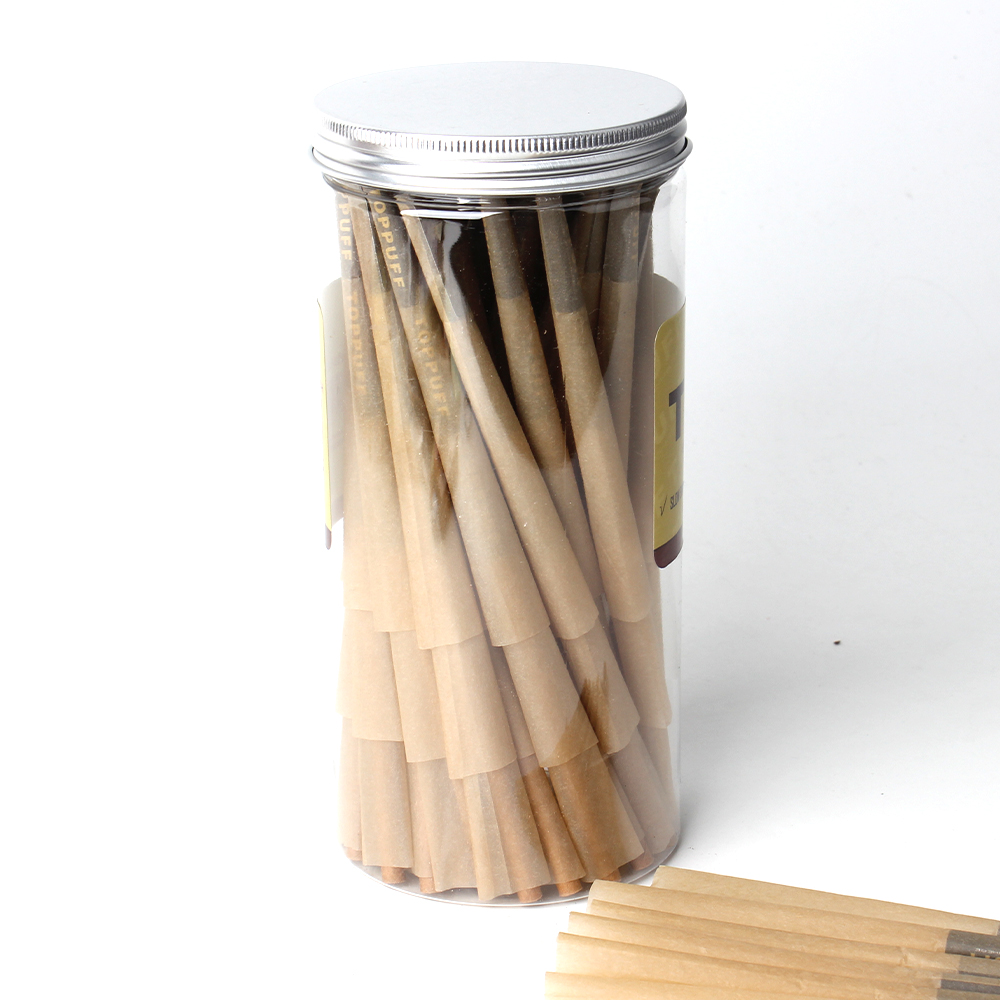
The engineering of custom filters has evolved significantly over the past decade, with spiral designs emerging as a cornerstone innovation in the filtration industry. Understanding the structural mechanics behind spiral tips reveals why branded filter design has shifted toward these sophisticated geometries. The spiral configuration represents more than aesthetic appeal; it embodies functional engineering principles that directly impact performance, durability, and user experience across industrial and consumer applications.

Custom shapes in filter design require careful attention to aerodynamic principles and material stress distribution. When manufacturers implement spiral geometry into their custom filters, they leverage helical flow dynamics to optimize particle capture while minimizing pressure drop. This structural approach has become a competitive standard in branded filter design, where performance differentiation directly influences market adoption and customer satisfaction across multiple industrial sectors.
Spiral tips function by channeling airflow along a helical path, which extends the contact surface between the air stream and filter media. This geometry creates centrifugal forces that naturally separate particles from the flow, enhancing capture efficiency without requiring additional filtration layers. Custom filters designed with this principle experience more uniform pressure distribution across the filter face, reducing localized stress points that typically cause premature failure. The spiral configuration ensures that turbulent zones are minimized, allowing custom shapes to maintain structural integrity even under high-velocity conditions.
The mechanical advantage of spiral designs becomes apparent when analyzing how stress distributes through the filter structure. Custom filters with spiral geometry exhibit superior load-bearing capacity compared to conventional straight-bore designs. The helical pattern acts as a natural reinforcement mechanism, similar to how spiral binding strengthens paper structures. Branded filter design innovations increasingly incorporate this principle, recognizing that spiral tips absorb and redirect mechanical stress more effectively, thereby extending filter lifespan and reducing replacement frequency in demanding industrial environments.
The mechanics of spiral tips in custom filters directly relate to improved particle separation efficiency. As contaminated air enters the spiral configuration, the rotational motion generated by the helical geometry forces heavier particles toward the outer filter walls through centrifugal action. This passive separation mechanism reduces the load on the core filter media, extending its effective service life. Branded filter design standards now often specify minimum spiral angles and pitch ratios to guarantee optimal performance thresholds, demonstrating how engineered custom shapes contribute measurably to operational outcomes rather than serving purely cosmetic purposes.
Bypass leakage occurs when unfiltered air passes around or through filter media without adequate treatment. Spiral tips in custom filters inherently address this vulnerability by creating multiple deflection points that redirect any potential bypass flow back into the primary filtration stream. The spiral geometry of custom shapes effectively eliminates dead zones where bypass typically initiates, making branded filter design with spiral mechanics superior for critical applications requiring stringent purity standards. This structural characteristic proves particularly valuable in pharmaceutical, semiconductor, and precision manufacturing environments where contamination tolerance approaches zero.
Selecting appropriate materials for spiral-configured custom filters requires understanding how the helical geometry influences material fatigue and degradation pathways. Materials must exhibit sufficient stiffness to maintain spiral geometry under operational pressures while remaining flexible enough to accommodate thermal cycling and vibration. Branded filter design engineers typically specify materials with enhanced tensile strength and fatigue resistance when implementing spiral tips, ensuring that the structural advantages of the geometry remain stable throughout the filter's operational life. Custom shapes manufactured from inadequate materials may collapse or deform, negating the mechanical benefits that spirals provide.
The effectiveness of spiral tips in custom filters depends critically on manufacturing precision. Deviations in spiral pitch, diameter, or angle can significantly impact flow distribution and particle separation efficiency. Branded filter design specifications typically include tight tolerances on spiral geometry to ensure consistent performance across production batches. Advanced manufacturing techniques such as injection molding, precision machining, and composite winding now enable production of custom shapes with spiral geometry at scales that were previously impossible. This manufacturing evolution has democratized access to spiral-enhanced custom filters across industries, expanding their adoption beyond specialized high-performance applications.
Spiral tips create helical flow patterns that generate centrifugal forces, naturally separating particles and distributing pressure more uniformly across custom shapes. This geometry extends filter media contact surface, improves particle capture efficiency, and reduces mechanical stress concentration. Branded filter design with spiral mechanics also minimizes bypass leakage through multiple deflection points, enhancing overall filtration performance and extending service life in demanding applications.
While spiral-configured custom filters require more sophisticated manufacturing processes than straight designs, modern precision techniques have made production increasingly feasible and cost-effective. Advanced molding and machining technologies allow manufacturers to produce custom shapes with spiral tips at industrial scale. The performance benefits typically justify the manufacturing investment, as branded filter design with optimized spiral geometry delivers superior operational outcomes that reduce total cost of ownership through extended filter life and improved efficiency.
Spiral tips in custom filters prove particularly valuable in high-velocity, high-contamination, and critical-purity applications such as pharmaceutical, semiconductor, and precision manufacturing sectors. Branded filter design engineers evaluate application requirements including flow rate, contamination load, and tolerance specifications to determine whether spiral geometry justifies implementation. Custom shapes with spiral mechanics may be unnecessary for applications with minimal pressure constraints or lenient purity standards, though the structural benefits make them increasingly standard in performance-critical environments.