EN
EN

surface-finishing-techniques-for-custom-rolling-paper-booklet-covers, surface-finishing-techniques-for-custom-rolling-paper-booklet-covers, /news
EN
2026/08/14
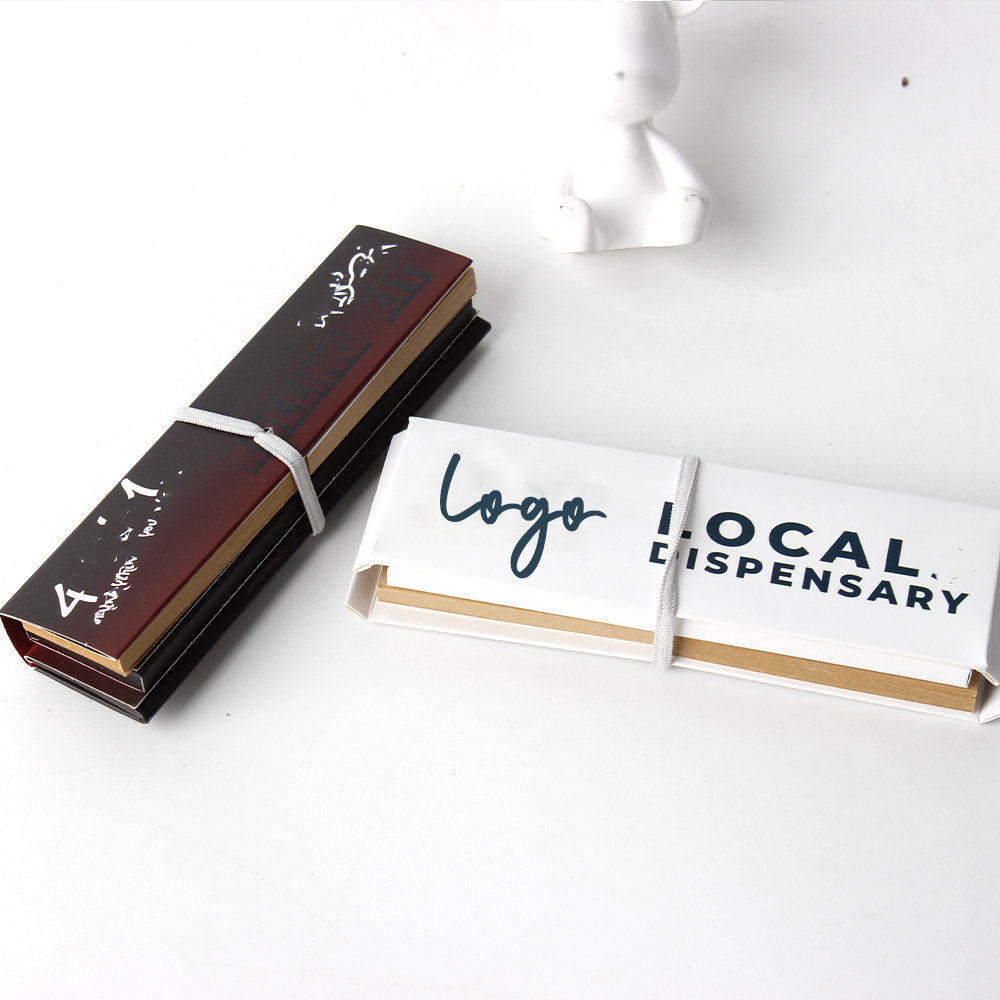
Surface finishing techniques are essential to elevating the quality and appeal of rolling paper booklets in today's competitive custom printing market. Whether you're producing branded packaging for retail distribution or creating premium promotional items, the finishing process directly impacts how consumers perceive your product. Rolling paper booklets require specialized attention because their thin, paper-based construction demands careful selection of surface treatments that enhance durability without adding excessive weight or cost.
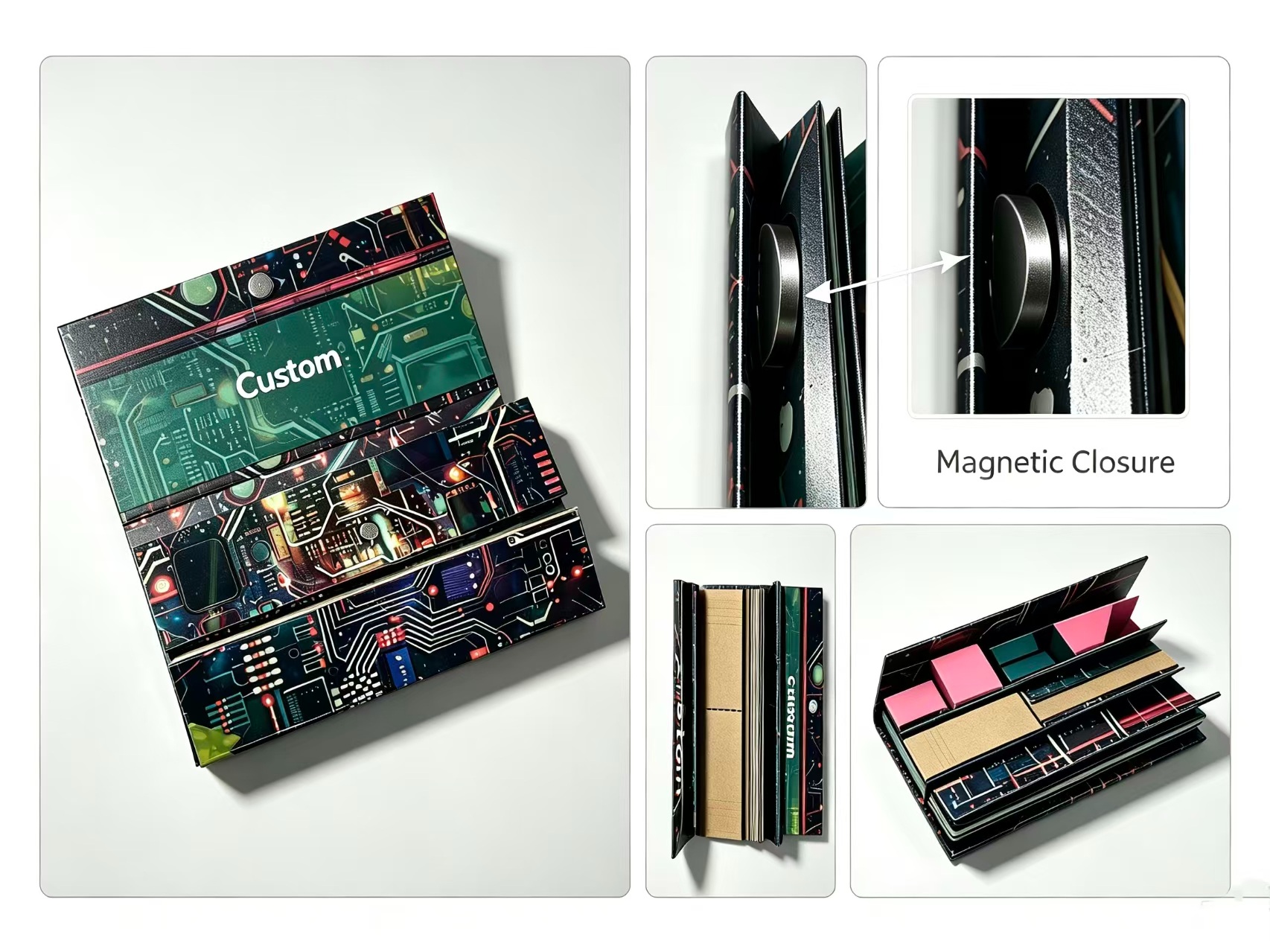
The choice of surface treatment for your booklet cover significantly influences both the tactile experience and visual presentation. Custom printing on rolling paper booklets benefits from finishes that create a distinctive brand identity while protecting the substrate from handling damage and environmental exposure. Understanding the full range of available finishing options allows manufacturers to make informed decisions that align with brand positioning, target audience expectations, and production budgets.
Matte finishes deliver a sophisticated, understated aesthetic that has become increasingly popular in premium branded packaging. This finish eliminates glare and reflections, creating a smooth, non-reflective surface that feels refined to the touch. For rolling paper booklets, matte coatings reduce fingerprints and provide a modern appearance that appeals to design-conscious consumers. The finish also allows ink colors to appear more natural and saturated, which is critical for branded packaging that relies on accurate color reproduction.
Gloss finishes create vibrant, high-contrast visual presentations that make colors pop and grab consumer attention on retail shelves. This reflective surface amplifies the impact of high-quality artwork and photography on your booklet cover, making it an ideal choice for eye-catching branded packaging. When applied to rolling paper booklets, gloss coatings also provide enhanced protection against moisture and wear, extending product shelf life. However, gloss surfaces do show fingerprints more readily, which some brands view as a trade-off worth considering for the visual enhancement.
Soft-touch coatings create a velvety, tactile surface that significantly enhances the perceived value of custom printing applications. When applied to rolling paper booklets, this finish transforms the booklet cover into a premium sensory experience that differentiates your product in a crowded marketplace. The smooth, non-slippery texture invites consumer interaction and creates a lasting impression of quality and care. Soft-touch finishes are particularly effective for branded packaging targeting affluent demographics who associate premium tactile qualities with product excellence.
Embossing and raised textures add dimensional depth to booklet covers, creating visual and tactile interest that flat finishes cannot achieve. These techniques work exceptionally well on rolling paper booklets when combined with complementary ink colors or spot applications. The texture catches light differently depending on viewing angle, creating dynamic visual effects that enhance perceived value. Custom printing with embossed elements on branded packaging elevates the overall product presentation and encourages consumers to handle and examine the booklet more closely.
UV coatings provide exceptional protection against fading, scratching, and environmental damage, making them an ideal choice for rolling paper booklets intended for extended shelf display. These clear protective layers preserve color vibrancy and artwork integrity over time, which is crucial for maintaining brand consistency. Custom printing on booklet covers benefits tremendously from UV treatment, particularly for products exposed to direct sunlight or frequent handling. The glossy appearance of UV varnish can be customized to create either full-coverage protection or spot applications that highlight specific design elements.
Aqueous coatings represent an environmentally responsible alternative to solvent-based finishes while still delivering protective benefits to rolling paper booklets. These water-based solutions provide scuff resistance and moisture protection without the harsh chemical footprint of traditional varnishes. Brands committed to sustainability appreciate how aqueous coatings on branded packaging demonstrate environmental responsibility to conscious consumers. The finish creates a natural appearance that doesn't add excessive sheen, making it compatible with eco-friendly branding strategies and minimalist design aesthetics.
UV coatings and varnish applications provide the highest level of durability and protection for rolling paper booklets. These finishes shield the booklet cover from scratches, fading, moisture, and general wear that occurs during retail display and consumer handling. For maximum protection, UV coatings are typically the preferred choice because they cure rapidly and create a hard, protective shell that preserves the underlying print quality indefinitely.
Different surface finishes alter how custom printing appears visually and tactilely. Matte finishes enhance color saturation and reduce glare, making them ideal for detailed artwork. Gloss finishes amplify color vibrancy and create reflection effects that draw consumer attention. Soft-touch finishes add premium tactile qualities that can elevate perceived value, while embossing creates dimensional effects that interact uniquely with light and shadow during the custom printing application process.
Cost-effectiveness depends on production volume and target market positioning. Matte and standard gloss finishes offer excellent value for high-volume production of rolling paper booklets. Specialty finishes like soft-touch, embossing, or custom textures involve higher setup costs but create premium branded packaging that justifies price premiums in upscale market segments. The investment in specialty finishing often returns value through improved brand perception and consumer willingness to pay premium prices.