EN
EN

the-chemistry-of-natural-gum-strips-used-in-rolling-paper-booklets, the-chemistry-of-natural-gum-strips-used-in-rolling-paper-booklets, /news
EN
2026/08/03
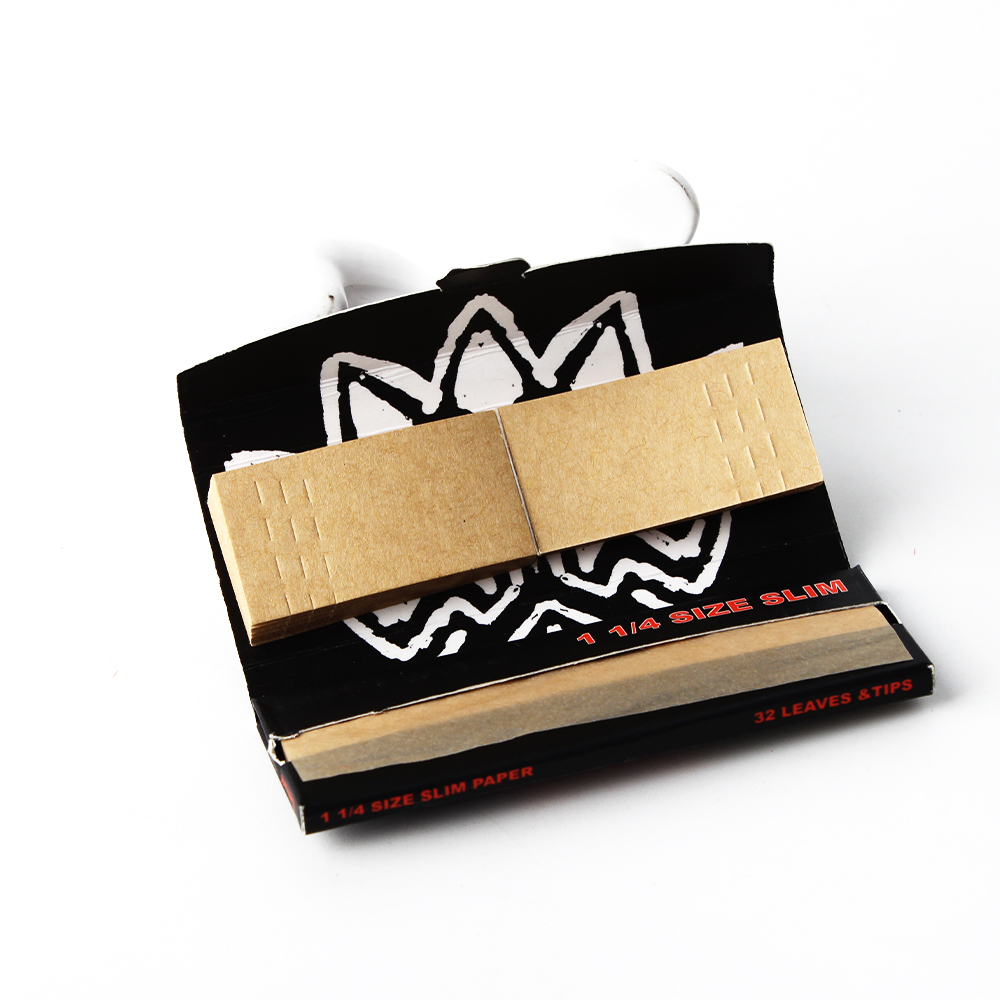
The adhesive properties of rolling paper booklets depend fundamentally on the quality and chemistry of the gum strip used to seal them. Natural gum arabic has become the industry standard for premium rolling paper booklets because it delivers consistent, reliable adhesion without introducing harmful chemicals or unwanted flavors. Understanding the chemistry behind this natural gum arabic solution helps manufacturers and consumers appreciate why certain papers perform better than others.
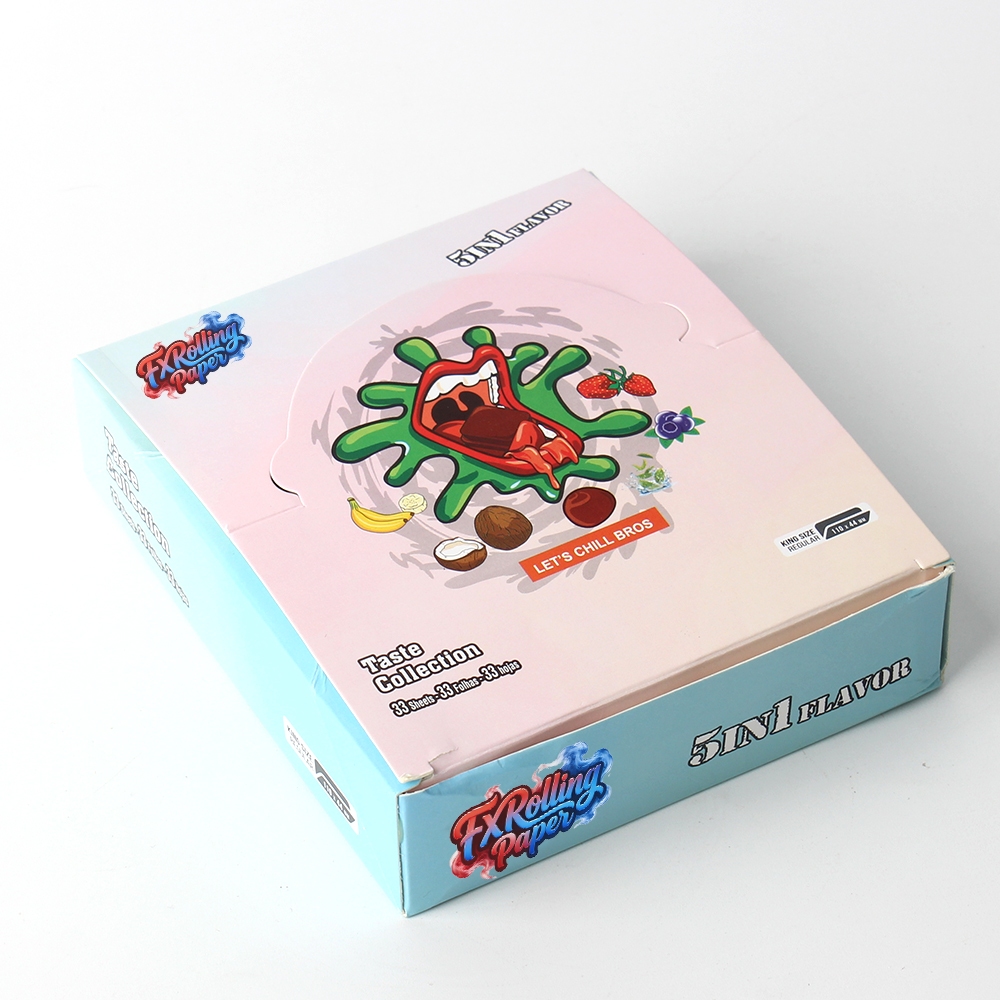
Premium rolling paper booklets incorporate specialized gum strip rolling paper formulations that balance adhesive strength with user experience. The gum strip must activate quickly when moistened, create a secure bond that holds throughout use, and remain tasteless and odorless. These performance requirements drive the selection of natural gum arabic as the primary component in modern paper adhesive systems for smoking papers.
Natural gum arabic is a complex polysaccharide derived from acacia tree sap. Its molecular structure contains branched chains of arabinose, rhamnose, galactose, and glucuronic acid units that create multiple sites for hydrogen bonding. When applied as a thin coating on rolling paper booklets, these polysaccharides interact with cellulose fibers in the paper substrate through hydroxyl group interactions. This chemistry allows the gum to establish strong adhesive bonds without requiring synthetic polymers or chemical solvents.
The gum strip rolling paper design capitalizes on natural gum arabic's water-soluble characteristics. When a user licks or moistens the gum strip, water molecules penetrate the polysaccharide network, causing temporary viscosity reduction and activating the adhesive properties. The paper adhesive formulation uses precise gum concentrations and acacia resin ratios to ensure the viscosity remains high enough to prevent premature activation during storage, yet responsive enough to activate within seconds of moisture application. This controlled hydration chemistry directly influences the performance of rolling paper booklets in real-world use.
Manufacturers source natural gum arabic through tapping acacia senegal and acacia seyal trees, primarily in Sudan, Niger, and other West African regions. The raw gum undergoes refinement processes that remove impurities, dust, and non-soluble matter while preserving the polysaccharide structure responsible for adhesion. Advanced gum strip rolling paper producers test the molecular weight distribution and viscosity index of each gum batch to ensure consistency across production runs. This quality control ensures that every rolling paper booklets product meets stable performance standards.
Rolling paper booklets require exact gum layer thickness to balance adhesive strength with aesthetic appeal and moisture responsiveness. Modern manufacturing applies paper adhesive using gravure coating, rod coating, or curtain coating methods that deposit between 5 and 15 grams per square meter of gum mixture. The chemistry of the coating composition itself matters significantly; producers blend natural gum arabic with trace amounts of glycerin or sorbitol to improve flexibility and prevent brittleness. Temperature control during application ensures that the polysaccharide chains remain properly dispersed and the resulting gum strip maintains uniform adhesive properties across all rolling paper booklets in a batch.
The natural gum arabic chemistry in premium rolling paper booklets resists degradation from temperature fluctuations and humidity variations during storage. Unlike synthetic adhesives that may become brittle or yellowed over months, the polysaccharide structure of gum strip rolling paper remains stable across temperature ranges from 10 to 35 degrees Celsius. The paper adhesive formulation achieves this stability through careful water content management and the addition of minimal preservatives. This environmental resilience ensures that rolling paper booklets retain full adhesive performance from the time of manufacture through extended shelf storage.
Natural gum arabic contributes virtually no flavor or aroma when used in rolling paper booklets because its molecular structure breaks down into simple sugars and organic acids that dissolve with saliva. This chemical neutrality contrasts sharply with synthetic polymer adhesives, which can introduce bitter tastes or chemical odors. The paper adhesive chemistry of premium gum strip rolling paper maintains this tasteless characteristic through rigorous quality testing that screens for volatile organic compounds and off-flavor precursors. Users consistently report that natural gum arabic-based rolling paper booklets provide a cleaner, more neutral smoking experience than products using alternative adhesive technologies.
Regulatory bodies and industry associations have established specifications for natural gum arabic used in products intended for human contact. The gum strip rolling paper industry references food-grade standards because smoking papers come into direct contact with mouth tissues. These standards define acceptable microbial levels, heavy metal concentrations, and purity thresholds that manufacturers must achieve. Rolling paper booklets bearing certifications from recognized standards bodies provide assurance that the natural gum arabic and paper adhesive components meet established safety and performance criteria.
Experienced users of rolling paper booklets recognize quality indicators related to gum chemistry. Papers that seal smoothly without excessive moisture requirement typically contain well-refined natural gum arabic with optimal polysaccharide distribution. Products that maintain consistent seal strength from the first sheet to the last indicate that the paper adhesive formulation has achieved proper viscosity balance. The transparency and slightly translucent appearance of the gum strip on premium rolling paper booklets reflects high-quality, properly processed acacia resin with minimal impurities.
Natural gum arabic delivers superior performance in rolling paper booklets because its polysaccharide chemistry creates reliable hydrogen bonding with cellulose fibers without introducing synthetic polymers or chemical odors. The paper adhesive formulation achieves rapid water activation, maintains consistent viscosity across temperature ranges, and provides tasteless, odorless adhesion. Synthetic alternatives often compromise on one or more of these factors, whereas natural gum arabic balances all performance requirements simultaneously through its inherent molecular structure.
Moisture content directly influences the polysaccharide hydration state and viscosity of gum strip rolling paper. The paper adhesive formulation in rolling paper booklets maintains carefully controlled water content, typically between 8 and 12 percent, to preserve activation responsiveness without premature softening. Excess moisture can cause the gum to become too fluid during storage, weakening the seal, while insufficient moisture can delay activation time. Manufacturers monitor humidity levels during production and packaging to ensure the final rolling paper booklets retain optimal moisture balance.
Yes, the natural gum arabic chemistry in rolling paper booklets can be adjusted by varying the acacia resin ratios, adding minor additives like glycerin or sorbitol, and modifying application thickness. Paper adhesive formulations can be optimized for faster activation, stronger final seal strength, or enhanced flexibility depending on customer preferences. Manufacturers of premium gum strip rolling paper frequently customize these parameters for branded rolling paper booklets, creating signature adhesive profiles that differentiate their products in competitive markets.