EN
EN

the-pulp-processing-differences-between-bleached-and-unbleached-rolling-papers, the-pulp-processing-differences-between-bleached-and-unbleached-rolling-papers, /news
EN
2026/08/03
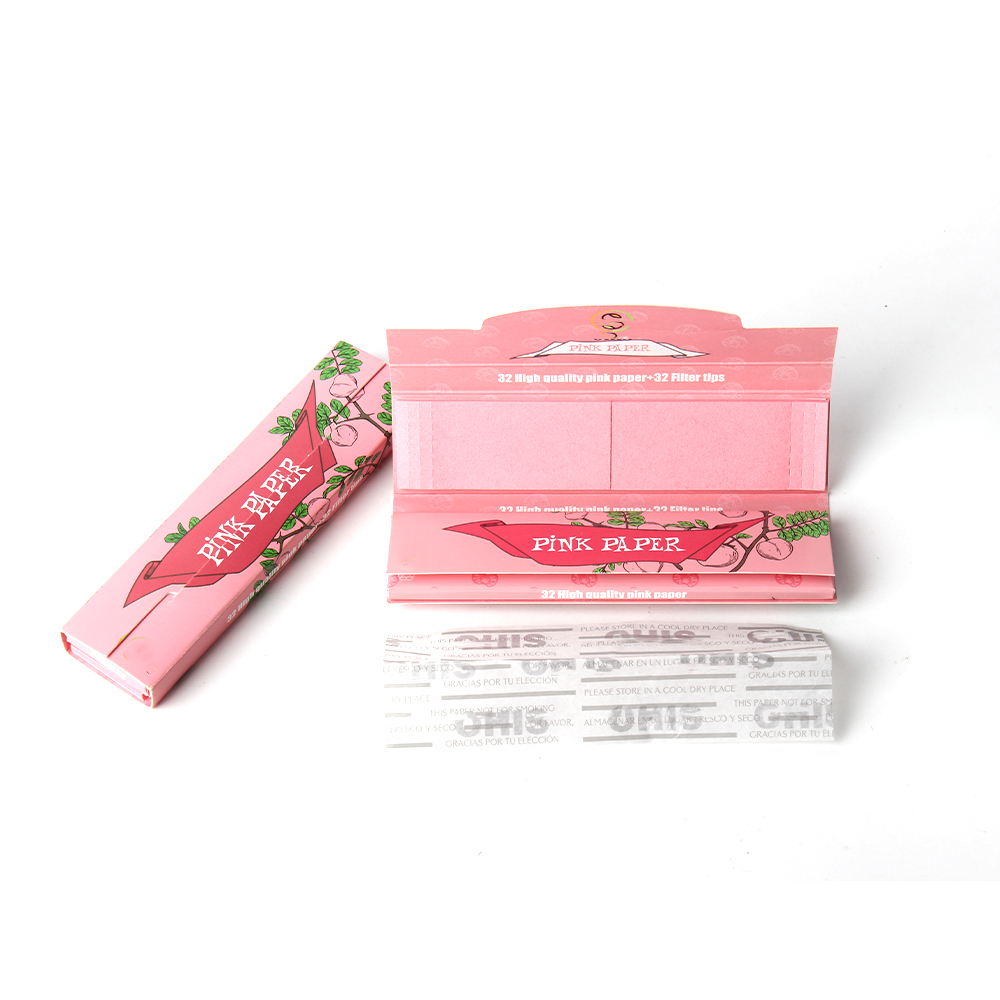
The choice between bleached and unbleached rolling papers represents a fundamental difference in manufacturing philosophy and material selection. While both serve the same basic function, the pulp processing methods that create them diverge significantly, affecting everything from the final product's appearance to its environmental impact and smoking characteristics. Understanding these differences helps consumers make informed choices aligned with their preferences and values.
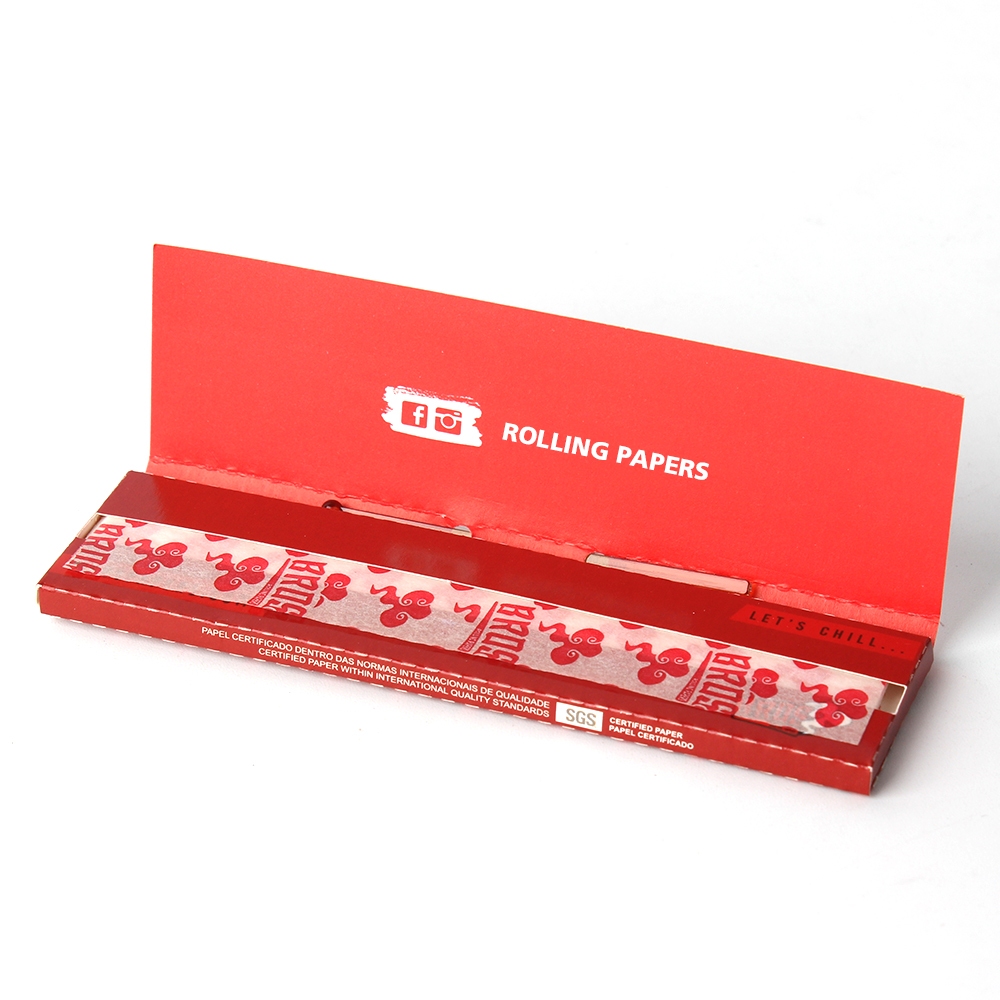
The manufacturing process for unbleached rolling papers preserves the natural characteristics of the raw material, while bleached alternatives undergo chemical treatments to achieve a white appearance. This distinction matters not only for aesthetics but also for understanding how each product interacts with the consumer experience and environmental considerations inherent in paper production.
Both bleached and unbleached rolling papers begin with wood pulp alternatives derived from natural plant fibers. These fibers come primarily from softwood trees like pine and fir, or hardwood species like eucalyptus and birch. The choice of source material influences the fiber length, strength, and inherent color of the final paper. Natural plant fibers contain lignin, hemicellulose, and cellulose in varying proportions, creating the structural foundation for rolling paper manufacturing. During initial pulping, manufacturers use mechanical or chemical processes to separate these fibers from one another, breaking down the wood structure while preserving fiber integrity.
At the pulping stage, the paths between bleached and unbleached products diverge. For unbleached rolling papers, manufacturers minimize chemical interventions, allowing natural plant fibers to retain their inherent tan or off-white coloration. The kraft pulping process commonly used for unbleached varieties focuses on removing non-cellulose components without aggressive whitening agents. Conversely, bleached paper undergoes additional chlorine or oxygen-based treatments during the pulping phase to lighten the fibers before they reach the rolling paper machine. This early intervention shapes not only the visual outcome but also the chemical composition of the finished product.
Bleached rolling papers historically relied on chlorine gas or chlorine dioxide to achieve their bright white appearance. Chlorine-based bleaching breaks down chromophores in the wood fibers that cause coloration, creating the clean aesthetic consumers associate with traditional rolling papers. However, chlorine free paper alternatives have gained traction in recent years as manufacturers respond to environmental concerns and consumer preferences. Elemental chlorine-free (ECF) bleaching uses chlorine dioxide, oxygen, and ozone instead of raw chlorine, while totally chlorine free (TCF) processes employ oxygen, ozone, and hydrogen peroxide exclusively. Each bleaching approach produces distinct residual chemical profiles that affect the paper's final properties.
The bleaching process inevitably alters fiber characteristics. Aggressive chemical treatments can weaken cellulose chains, potentially reducing the paper's inherent strength. This means that bleached rolling papers often require additional sizing agents and binders to maintain structural integrity during manufacturing and use. The bleaching process also affects porosity, as the removal of non-cellulose materials creates a more uniform fiber structure. Unbleached rolling papers, by contrast, retain some of these naturally occurring components, which can create subtle variations in burn rate and texture. These structural differences become apparent when consumers evaluate how each paper type performs during use.
Unbleached rolling papers maintain more of the original wood pulp characteristics from natural plant fibers, which directly influences burn behavior. The residual lignin and other organic compounds in unbleached sheets create a slightly slower, more even burn pattern compared to heavily processed bleached alternatives. These wood pulp alternatives typically produce less ash residue and offer a smoother smoking experience for many users. The chemical composition closer to the original material means fewer synthetic additives are needed to achieve the desired performance, making unbleached products appeal to consumers seeking minimal processing. The visible tan or brown coloration that results from this minimal processing has become synonymous with quality and natural composition in consumer perception.
Bleached rolling papers require more additives to compensate for the structural changes caused by chemical treatment. Manufacturers must add sizing agents to regulate water absorption, coating compounds for uniformity, and sometimes bleaching residue neutralizers to stabilize the final product. These additional components can affect the paper's taste neutrality and smoke profile. Unbleached rolling papers, working with natural plant fibers closer to their original state, require fewer processing interventions. This reduced additive dependency aligns with consumer preferences for transparency and simplicity in product composition. From a manufacturing perspective, chlorine free paper production also reduces the need for specialized waste treatment systems, lowering operational complexity and environmental discharge concerns compared to traditional chlorine-based facilities.
The choice between bleached and unbleached rolling papers carries significant environmental weight. Chlorine-based bleaching historically generated dioxins and other persistent organic pollutants in wastewater, though modern chlorine free paper facilities have substantially mitigated this issue. Nevertheless, unbleached alternatives eliminate this concern entirely by avoiding chlorine compounds altogether. Manufacturing unbleached rolling papers from natural plant fibers requires substantially less fresh water consumption during processing, and the simplified chemical pathway reduces overall mill discharge complexity. These environmental advantages have driven regulatory changes in many regions, encouraging manufacturers to transition toward chlorine free paper production methods. Consumers increasingly view unbleached products as the more sustainable choice, even when cost differences exist.
The manufacturing differences between bleached and unbleached varieties have created distinct market positioning. Unbleached rolling papers command strong consumer loyalty among users who prioritize natural composition, environmental responsibility, and perceived quality. The visible appearance of natural plant fibers in unbleached sheets serves as a tangible marker of minimal processing, even though the pulping and production steps remain highly technical. Wood pulp alternatives marketed as unbleached benefit from associations with authenticity and craft production. Bleached papers, while technologically sophisticated in their processing, sometimes face skepticism regarding chemical residues. This perception divide influences purchasing decisions independent of actual performance differences, making the pulp processing distinctions relevant to marketing strategy and consumer education.
Natural plant fibers in bleached rolling papers undergo extensive chemical modification during bleaching, which alters their molecular structure and removes coloration compounds. Unbleached rolling papers preserve these fibers in a closer-to-original state, retaining residual lignin and organic compounds. This fundamental difference in fiber treatment explains why unbleached products maintain a tan appearance and often display a different texture and burn characteristic than their bleached counterparts.
Chlorine free paper production addresses environmental and regulatory concerns associated with traditional chlorine-based bleaching. The manufacturing process creates fewer hazardous byproducts, requires less specialized waste treatment, and aligns with consumer demand for sustainable products. Modern chlorine free methods still achieve excellent whiteness and performance, making the shift economically viable while improving overall environmental stewardship. Unbleached rolling papers represent the ultimate chlorine free approach by avoiding bleaching entirely.
Yes, the wood pulp processing differences significantly impact smoking characteristics. Unbleached rolling papers created from natural plant fibers typically produce slower, more even burns and generate less ash residue. The retention of original fiber components reduces the need for synthetic additives that can interfere with smoke quality. Many experienced users report that unbleached varieties offer a smoother, more neutral smoking experience compared to heavily processed bleached alternatives, though individual preferences vary.