EN
EN

the-technical-limitations-of-printing-details-on-ultrathin-custom-papers, the-technical-limitations-of-printing-details-on-ultrathin-custom-papers, /news
EN
2026/09/29
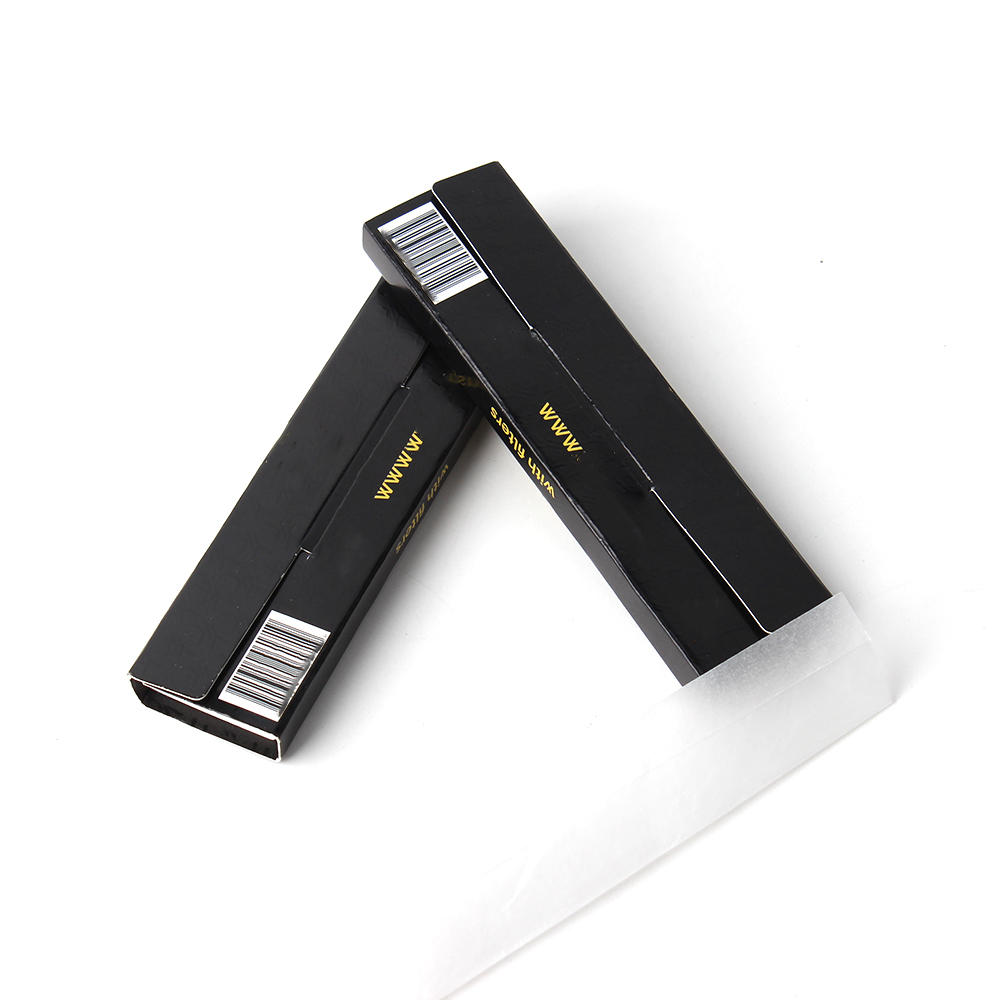
When manufacturers produce custom rolling papers with detailed logos and intricate designs, they encounter significant technical challenges that directly impact quality, durability, and visual appeal. Ultra-thin papers, which are standard in the rolling paper industry, present unique constraints that standard printing equipment and techniques cannot easily overcome. Understanding these limitations is essential for brand managers, manufacturers, and suppliers who want to deliver professional custom gummed paper products to market.
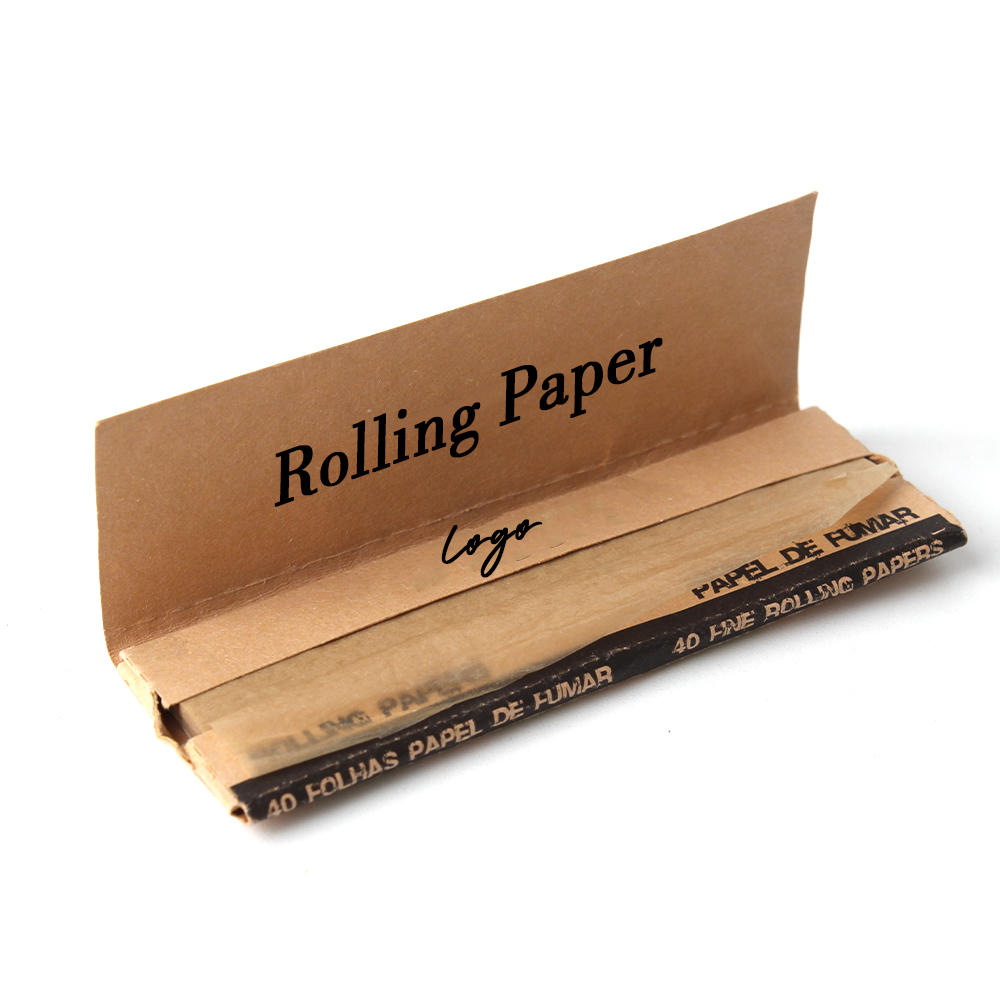
The production of logo printed paper and branded rolling paper requires balancing aesthetic ambition with material reality. Ultra-thin substrates, typically ranging from 40 to 80 gsm, demand specialized equipment and precise process control that many standard printing operations simply do not possess. This article explores the technical obstacles involved in printing fine details on ultra-thin custom rolling papers and discusses practical strategies to achieve professional results within realistic constraints.
Ultra-thin substrates used in custom rolling papers behave differently than standard printing stocks. The reduced material density means less surface area to deposit ink, and the delicate fibre structure is more susceptible to distortion during the printing process. When custom gummed paper passes through a printing press, even slight pressure variations can cause the substrate to wrinkle, buckle, or tear. High-speed production lines amplify these risks because the paper moves rapidly through multiple processing stages, and any mechanical stress compounds across the entire run.
The fibre orientation within ultra-thin papers also affects how ink adheres and how fine details render. Branded rolling paper must maintain structural integrity during printing, die-cutting, perforation, and gumming operations. If the substrate absorbs too much ink too quickly, it weakens the paper further and risks ink bleed-through to the reverse side, which is unacceptable for premium custom rolling papers. Conversely, if ink sits on the surface without proper adhesion, it chips, fades, and rubs off during packaging, storage, and end-user handling.
Custom gummed paper typically has a smooth finish to support gumming adhesive consistency and to provide an acceptable surface for printing. However, ultra-thin papers cannot tolerate heavy coating without compromising their inherent flexibility and burnability—key performance requirements for rolling papers. Logo printed paper manufacturers must choose between improved print clarity through coatings and maintaining the product's functional properties. This trade-off directly constrains the detail resolution achievable in branded rolling paper designs.
Ink penetration rates on ultra-thin substrates are difficult to control uniformly. Fine lines, small text, and intricate logo details require consistent ink film thickness, but porous ultra-thin papers can absorb ink unevenly. Drying speed also becomes critical; if the paper dries too slowly, smudging and ink transfer occur. If it dries too quickly, the ink can crack and flake, especially if the substrate flexes during handling or use. These opposing constraints mean that custom rolling papers designed with fine photographic details or extremely thin logo lines may not be technically feasible within current industrial standards.
Most standard offset and flexographic printing equipment was engineered for substrates heavier than 80 gsm and does not provide the precision needed for ultra-thin materials. Custom rolling papers require specialty press configurations that exert controlled, consistent pressure across the entire sheet width without causing damage. Flexographic printing, commonly used for branded rolling paper production, relies on elastomeric plates that can adapt to minor surface irregularities, but even this method struggles with extremely fine detail reproduction on ultra-thin custom gummed paper.
Digital printing technology offers superior detail control and faster setup times compared to traditional offset, but digital presses have limitations with ultra-thin materials as well. Ink deposition in digital systems can be excessive for delicate substrates, leading to saturation and ink smudging. Additionally, digital equipment typically operates at lower speeds than flexographic lines, increasing per-unit production costs for large-volume custom rolling papers orders. For manufacturers seeking to balance cost-effectiveness with quality in logo printed paper, the equipment choice directly impacts feasibility and pricing.
Achieving precise colour registration and multi-colour alignment on ultra-thin papers is technically demanding. Custom rolling papers often feature two-colour or three-colour logos, and any misalignment creates visible defects that undermine brand perception. Ultra-thin substrates experience more dimensional movement during printing compared to heavier stocks—humidity changes, temperature fluctuations, and mechanical tension all cause micro-shifts in paper position. Branded rolling paper production requires tightly controlled environmental conditions and advanced registration systems to maintain colour alignment across the entire production run.
Achieving fine detail in custom gummed paper logos also demands sophisticated halftone screening and dot control. Small dots and fine line weights are at the limit of flexographic resolution; if the dots are too small, they can disappear or become inconsistent during pressing. If line weights are too fine, they may break apart or fill in unpredictably. These technical constraints mean that some logo designs simply cannot be reproduced faithfully on ultra-thin custom rolling papers without simplification or redesign to accommodate manufacturing reality.
Successfully producing custom rolling papers with detailed branding requires close collaboration between designers and manufacturers from the concept stage. Logo printed paper designs should prioritize bold lines, generous spacing, and moderate complexity to ensure reproducibility on ultra-thin substrates. Rather than fighting material limitations, smart design work leverages the natural properties of custom gummed paper—minimalist branding, solid colour fills, and structured layouts often produce more striking visual results than overly detailed graphics on ultra-thin materials.
Substrate selection also matters significantly. Premium custom rolling papers may use slightly thicker stocks—within the acceptable range for burning characteristics—if detailed printing is essential for the brand. Some manufacturers blend ultra-thin paper with slightly heavier base materials in specific regions where branding occurs, though this adds process complexity and cost. Alternatively, choosing an appropriate paper whiteness and finish during substrate sourcing can enhance logo printed paper appearance and perceived quality without requiring technical printing advances.
Rigorous environmental management is critical for successful branded rolling paper production. Temperature and humidity control within the printing facility reduces paper dimensional movement and improves registration consistency. Frequent calibration of press equipment, regular cleaning of printing plates, and real-time monitoring of ink viscosity and colour density help manufacturers maintain consistency across large custom rolling papers runs. High-quality producers of custom gummed paper implement inline quality inspection systems that detect and reject defective units before packaging, protecting brand reputation and customer satisfaction.
Investment in modern flexographic equipment specifically designed for ultra-thin materials delivers better results than attempting to force standard presses into service. Specialty compounds, inks formulated for low-absorption substrates, and advanced anilox roller systems also contribute to successful logo printed paper production. While these investments increase manufacturing overhead, they enable producers to deliver premium branded rolling paper that justifies higher pricing and builds customer loyalty through superior quality.
Extremely fine details such as thin lines, small text, or photographic halftones are technically challenging on ultra-thin custom rolling papers and may not reproduce faithfully across entire production runs. Most manufacturers recommend simplifying designs to ensure consistent quality in custom gummed paper and logo printed paper production. Working with your manufacturer during design development allows you to identify which logo elements are reproducible and which may require adjustment.
Flexographic printing remains the industry standard for high-volume custom rolling papers production because it offers speed, cost-efficiency, and reasonable detail reproduction. For lower volumes or extremely intricate designs, digital printing can deliver superior detail, though at higher per-unit cost. Custom gummed paper suppliers typically recommend flexography for standard-to-moderate design complexity and suggest digital alternatives only when volume economics or design requirements justify the premium pricing.
Collaborate with your custom rolling papers manufacturer early in the design process to confirm that your logo and branding elements are within the technical parameters of their printing equipment. Request samples or proofs on the exact substrate you plan to use, and verify that colours, registration, and detail sharpness meet your expectations. Most reputable producers of custom gummed paper and logo printed paper provide design guidelines and sample reviews at no cost to help you achieve the best possible results within realistic manufacturing constraints.