EN
EN

understanding-interleaving-mechanics-in-custom-rolling-paper-dispensers, understanding-interleaving-mechanics-in-custom-rolling-paper-dispensers, /news
EN
2026/09/01
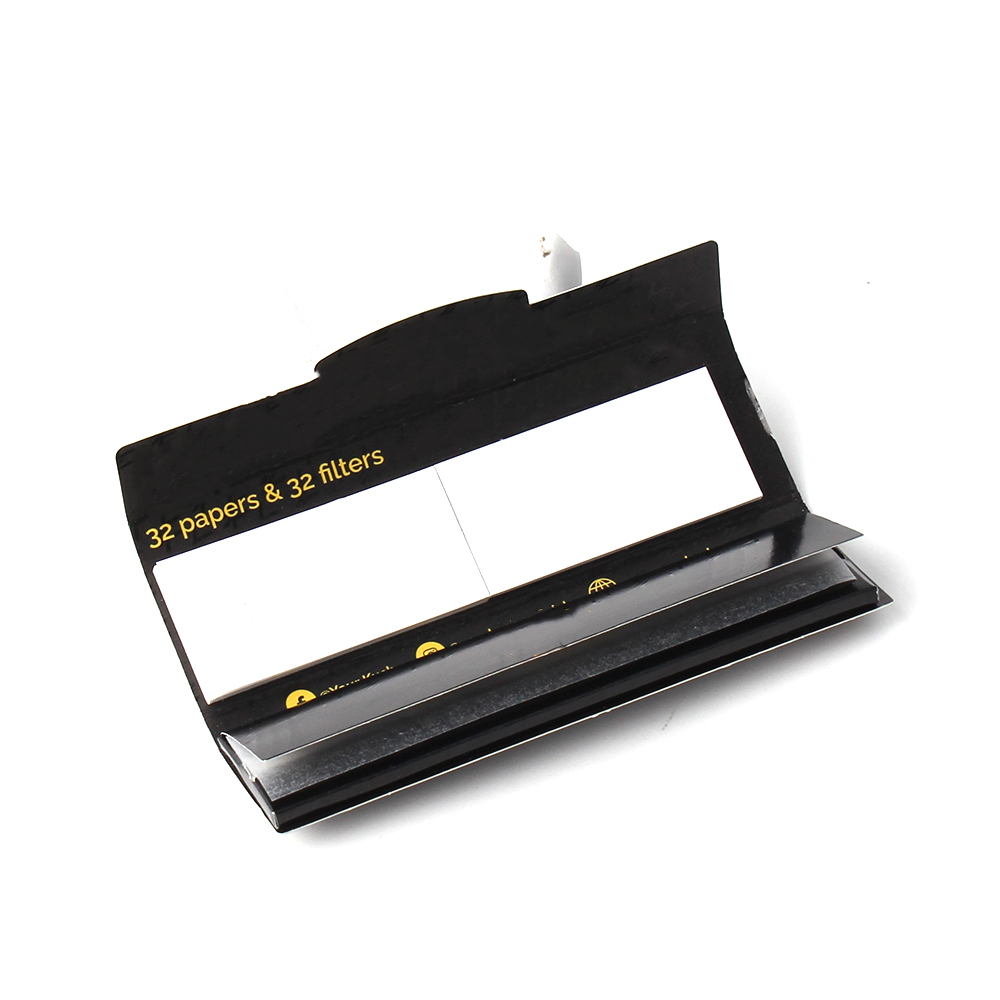
Custom rolling papers have become a sophisticated product category where design and functionality merge seamlessly. Understanding how these papers are organized and dispensed requires exploring the interleaving mechanics that make modern dispenser boxes work efficiently. Whether you're a business looking to create branded promotional items or a distributor evaluating product quality, knowing how interleaved paper systems function provides critical insight into product performance and user experience. The mechanics behind these dispensers determine not only convenience but also cost-effectiveness and brand perception.
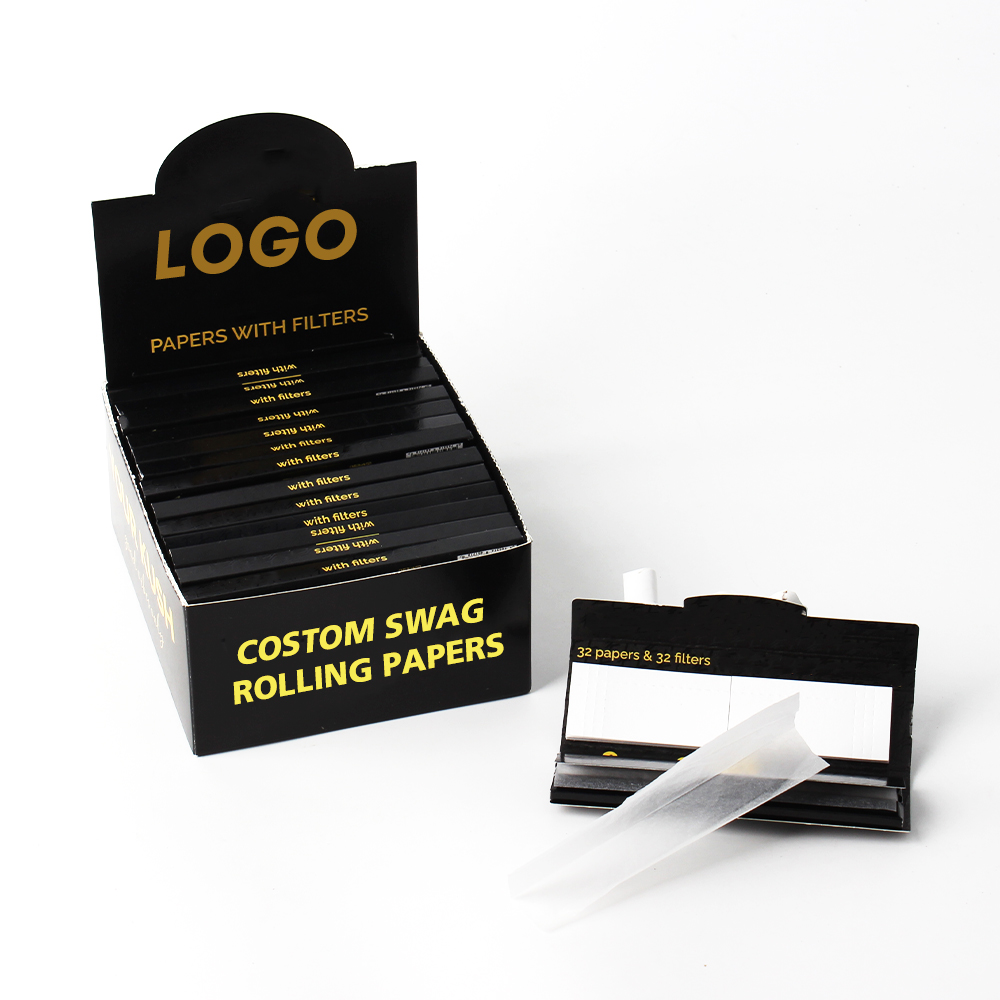
The interleaving structure in a dispenser box serves a fundamental purpose: preventing papers from sticking together while enabling single-sheet extraction. When custom rolling papers are manufactured at scale, manufacturers face the challenge of keeping each sheet accessible without damaging the product. This is where branded paper technology intersects with engineering precision. The interleaving mechanics represent the difference between a frustrating product that tears sheets and an intuitive dispenser that delivers consistent value to end users.
Interleaved paper refers to the placement of thin barrier layers between sheets of rolling paper within a dispenser box. Each sheet sits on top of a slightly thinner separating layer, typically made from silicone-coated or wax-treated material that provides minimal friction resistance. This design allows consumers to grab one sheet at a time without pulling adjacent papers. The interleaved paper approach became standard in the industry because it solves a critical usability problem: accessing single sheets from a stack without tearing or wasting product. The physics is straightforward but requires precision manufacturing to execute reliably across thousands of units.
The success of a dispenser box depends heavily on the material properties of both the rolling papers and the interleaving separators. Rolling papers must be thin enough for easy rolling yet strong enough to resist tearing during extraction. The separator material must provide enough friction to prevent papers from sliding freely while creating minimal resistance during single-sheet withdrawal. Branded paper manufacturers invest in specific coating technologies and substrate choices to balance these competing demands. Temperature and humidity fluctuations can affect how interleaved paper performs, making quality control essential for consistent user experience across different climates and storage conditions.
One of the primary advantages of proper interleaving mechanics is the single-sheet extraction capability that defines modern dispensers. Users can pull one paper without disturbing the remaining stack, eliminating waste and frustration. This seemingly simple feature requires engineering precision in dispenser box design, material selection, and assembly. The branded paper sits in a specific orientation within the box, and the interleaved paper separators must be positioned at exact distances to enable smooth extraction. This consistency drives customer satisfaction and repeat purchases, particularly for businesses that distribute custom rolling papers as promotional items or retail products.
How a dispenser performs directly influences how consumers perceive the brand. A poorly designed interleaving system creates frustration and reflects negatively on the company behind the product. Conversely, a flawlessly executed dispenser box reinforces the impression of quality and attention to detail. For businesses commissioning custom rolling papers, this dispenser mechanics element becomes part of the overall brand experience. Consumers who struggle to extract sheets blame the brand, while those who experience seamless dispensing associate the company with reliability and professionalism. This psychological connection between product functionality and brand loyalty makes interleaving mechanics a strategic consideration, not merely a technical detail.
Manufacturing a dispenser box with reliable interleaving mechanics requires strict quality control throughout production. Each sheet of branded paper must be aligned precisely, and interleaved paper separators must be positioned at consistent intervals. Even minor deviations in thickness, alignment, or separator placement can compromise the entire batch. Manufacturers use automated systems with vision inspection technology to monitor these parameters continuously. For custom rolling papers produced in smaller volumes, maintaining these standards becomes more challenging and requires skilled oversight. The investment in precision tooling and quality assurance reflects in the final product's performance and the customer's satisfaction level.
Quality manufacturers conduct extraction testing on dispenser boxes before shipping to ensure the interleaving mechanics function as designed. Testing involves repeated single-sheet withdrawals under controlled conditions to verify performance consistency. Environmental testing simulates storage conditions and verifies that interleaved paper systems maintain functionality across temperature and humidity ranges. For branded paper products destined for different geographic markets, this testing becomes essential since climate variations can affect material properties and dispensing reliability. Documented testing results provide confidence to buyers that custom rolling papers will perform as expected when reaching end users.
Interleaved paper serves as a separation barrier between individual rolling paper sheets, enabling single-sheet extraction without pulling multiple sheets simultaneously. The separator material reduces friction just enough to allow clean separation while maintaining enough resistance to prevent papers from sliding freely within the box. This design element is essential for creating a user-friendly dispenser and preventing waste or product damage during normal use.
Manufacturers maintain consistency through automated assembly equipment that positions each sheet and interleaved paper separator at precise intervals. Vision inspection systems verify alignment and thickness throughout production. For custom rolling papers, quality audits and performance testing verify that each batch meets functional standards. Regular calibration of machinery and monitoring of material properties ensures dispenser boxes perform reliably across different production runs and time periods.
Yes, temperature and humidity significantly impact dispenser performance. High humidity can increase friction between paper sheets, making extraction more difficult. Extreme cold can make separator materials brittle and affect their properties. Quality branded paper products include testing protocols that verify performance across typical storage and use environments. Customers storing custom rolling papers in controlled conditions experience optimal dispensing performance, while those in variable climates may notice slight variations in extraction ease.