EN
EN

understanding-mesh-filtration-efficiency-in-multichamber-custom-grinders, understanding-mesh-filtration-efficiency-in-multichamber-custom-grinders, /news
EN
2026/08/20
Understanding filtration efficiency in custom grinders requires knowledge of how multi-chamber designs work together to separate material by particle size. The mesh screen serves as the critical component that determines what passes through to the collection chamber and what remains above. Modern custom grinders use multiple mesh configurations, each with specific micron ratings designed to catch kief while allowing ground material to fall through efficiently. This layered approach creates a sophisticated filtration system that maximizes yield while maintaining consistent particle distribution across different applications.
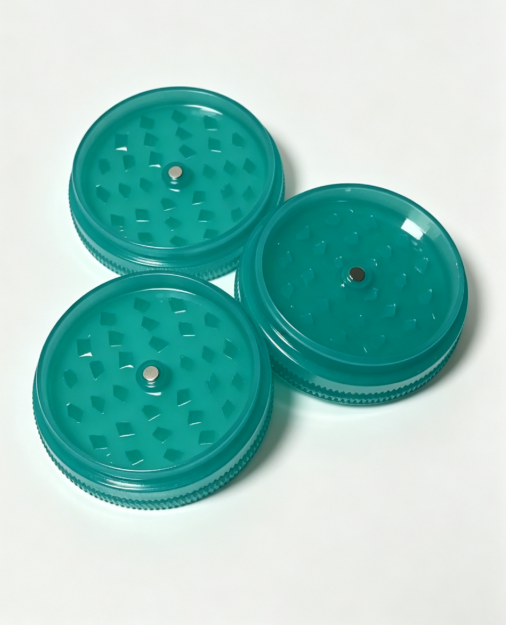
The efficiency of mesh filtration directly impacts product quality and user satisfaction. A four piece grinder typically incorporates multiple mesh screens positioned at different levels to create zones of progressive filtration. Each mesh screen in this system has been engineered to handle specific material characteristics, ensuring that the kief catcher at the bottom receives only the finest particles while intermediate chambers collect medium-grade material. Understanding these mechanics helps users and manufacturers select grinding equipment that meets specific performance requirements and material handling needs.
The first chamber of a four piece grinder contains the grinding mechanism where material enters and begins breaking down. As the grinder operates, particles fall through the first mesh screen positioned below this chamber. The mesh screen in this zone typically ranges from 150 to 250 microns, allowing smaller particles to pass while retaining larger fragments for continued grinding. This initial separation reduces strain on subsequent filtration stages and ensures that only properly sized material reaches lower chambers. The efficiency of this primary screen determines how quickly material can move through the grinding process without creating bottlenecks.
Below the primary chamber sits a second mesh screen with finer micron specifications, often ranging from 75 to 150 microns. This intermediate mesh screen catches medium-sized particles while allowing kief and the finest particles to continue downward. The secondary chamber acts as a holding zone where properly refined material collects before reaching the kief catcher. Custom grinders with this configuration demonstrate significantly higher kief production rates because the mesh screen arrangement prevents finer particles from becoming trapped in larger material. The separation efficiency at this level determines overall product consistency and the purity of collected kief.
The kief catcher in custom grinders relies on the finest mesh screen, typically rated between 40 and 90 microns, to perform its collection function. This ultra-fine mesh screen captures crystalline structures while allowing air circulation to prevent material from compacting. The efficiency of a kief catcher depends entirely on mesh screen quality and proper micron specifications that match the material being processed. Inconsistent mesh screen manufacturing can result in either excessive kief loss through oversized holes or poor flow through undersized openings. Understanding these specifications helps users maintain optimal performance and troubleshoot collection issues when they occur.
Mesh screen degradation occurs gradually through repeated grinding cycles, causing efficiency losses over time. High-quality custom grinders use stainless steel or titanium mesh screens that resist corrosion and maintain precise micron specifications throughout their lifespan. Regular cleaning helps extend mesh screen performance by preventing material buildup that can alter effective filtration characteristics. Users should inspect mesh screens periodically for visible damage, wear patterns, or reduced collection rates from their kief catcher. Replacing worn mesh screens in a four piece grinder restores filtering efficiency and ensures that filtration characteristics remain within design specifications.
Achieving optimal filtration in custom grinders requires balancing the competing demands of material flow speed and particle size precision. Mesh screens with larger micron ratings allow faster material movement but reduce filtration specificity. Conversely, finer mesh screens provide superior separation but can slow the grinding process significantly. A four piece grinder addresses this challenge by using multiple mesh screens with graduated specifications that work in sequence. This tiered approach allows manufacturers to optimize each chamber for its specific function while maintaining overall system efficiency. Industrial and commercial applications benefit most from this sophisticated design because production volume demands cannot compromise on filtration performance.
Different materials behave differently when exposed to mesh screen filtration, requiring adjustments to grinding parameters and mesh screen selection. Moisture content affects how material interacts with mesh screens, potentially causing buildup or reduced particle separation. Custom grinders designed for specific material types incorporate mesh screen configurations optimized for those applications. The kief catcher design may vary significantly between models intended for different material processing needs. Understanding these material-specific considerations helps users select appropriate custom grinders and maintain realistic expectations about filtration efficiency across different applications. Temperature, humidity, and storage conditions also influence how effectively mesh screens maintain their filtration characteristics during extended use.
The ideal micron rating depends on your specific application and material type. Most four piece grinder designs feature multiple mesh screens ranging from 250 microns in the primary chamber down to 40 microns in the kief catcher. For general-purpose grinding, mesh screens between 75 and 150 microns in secondary chambers provide balanced flow and separation. Custom grinders designed for specific industries may use different specifications optimized for their material characteristics. Consulting manufacturer specifications and user reviews helps identify appropriate mesh screen ratings for your intended use.
Mesh screen lifespan in custom grinders depends on usage frequency, material type, and maintenance practices. Regular cleaning extends mesh screen durability significantly by preventing material accumulation that accelerates wear. Most users notice degraded filtration performance after 12 to 24 months of consistent use with daily grinding. The kief catcher mesh screen typically requires replacement sooner than larger chamber screens due to its fine specifications. Replacing mesh screens restores the four piece grinder to original filtration efficiency and prevents yield loss associated with worn screens.
Yes, mesh screen condition directly impacts product quality in custom grinders. A degraded mesh screen allows oversized particles into lower chambers, compromising material consistency and kief purity. Four piece grinder designs depend on precise mesh screen specifications to maintain the filtration characteristics users expect. Poor-quality mesh screens with inconsistent micron ratings fail to provide reliable separation across grinding batches. Investing in high-quality custom grinders with superior mesh screen materials ensures consistent output quality and maximizes the efficiency of your grinding system over time.