EN
EN

understanding-paper-porosity-and-air-intake-in-preroll-cones, understanding-paper-porosity-and-air-intake-in-preroll-cones, /news
EN
2026/08/05
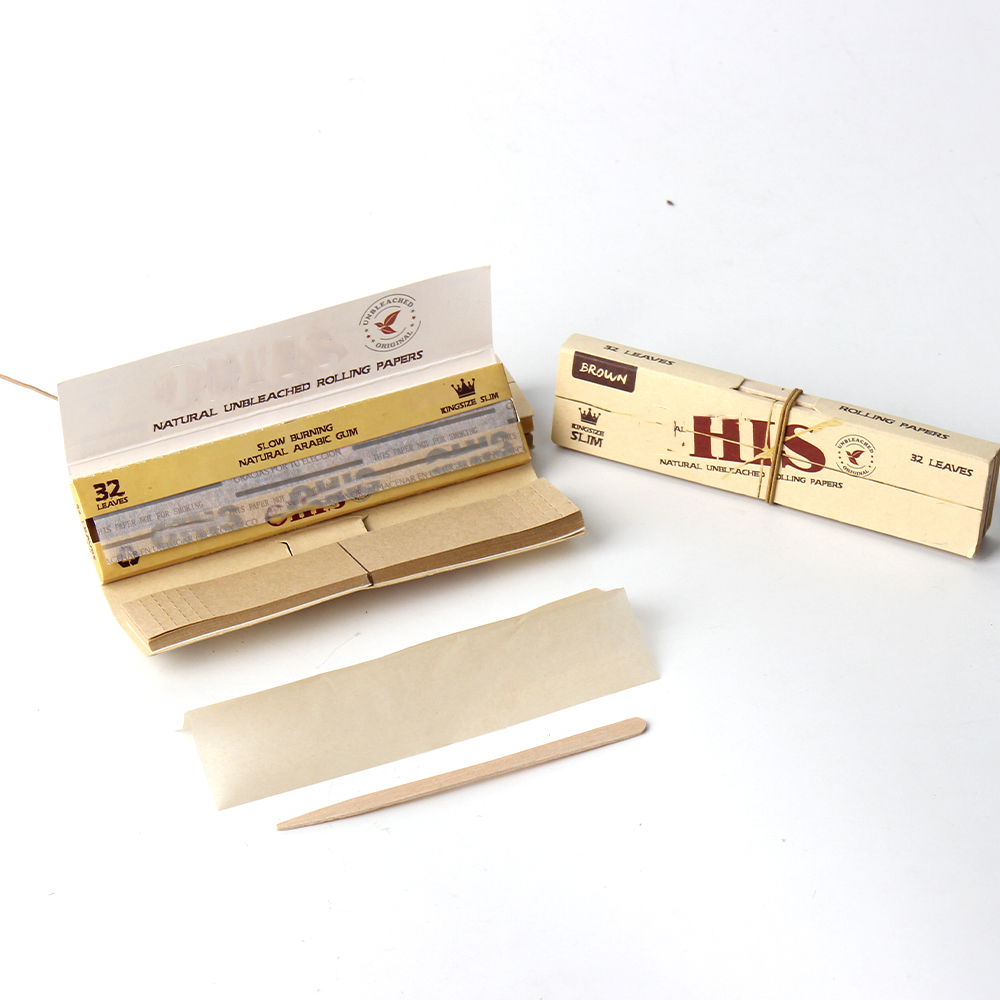
Pre-roll cones have become a staple in the cannabis and herbal smoking market, offering convenience and consistency to consumers worldwide. However, the quality and performance of pre-roll cones depend largely on factors that many users never consider, particularly the material science behind paper porosity and air intake mechanisms. Understanding these technical aspects reveals why some pre-roll cones deliver superior smoking experiences while others fall short, affecting burn rate, flavor profile, and overall satisfaction.
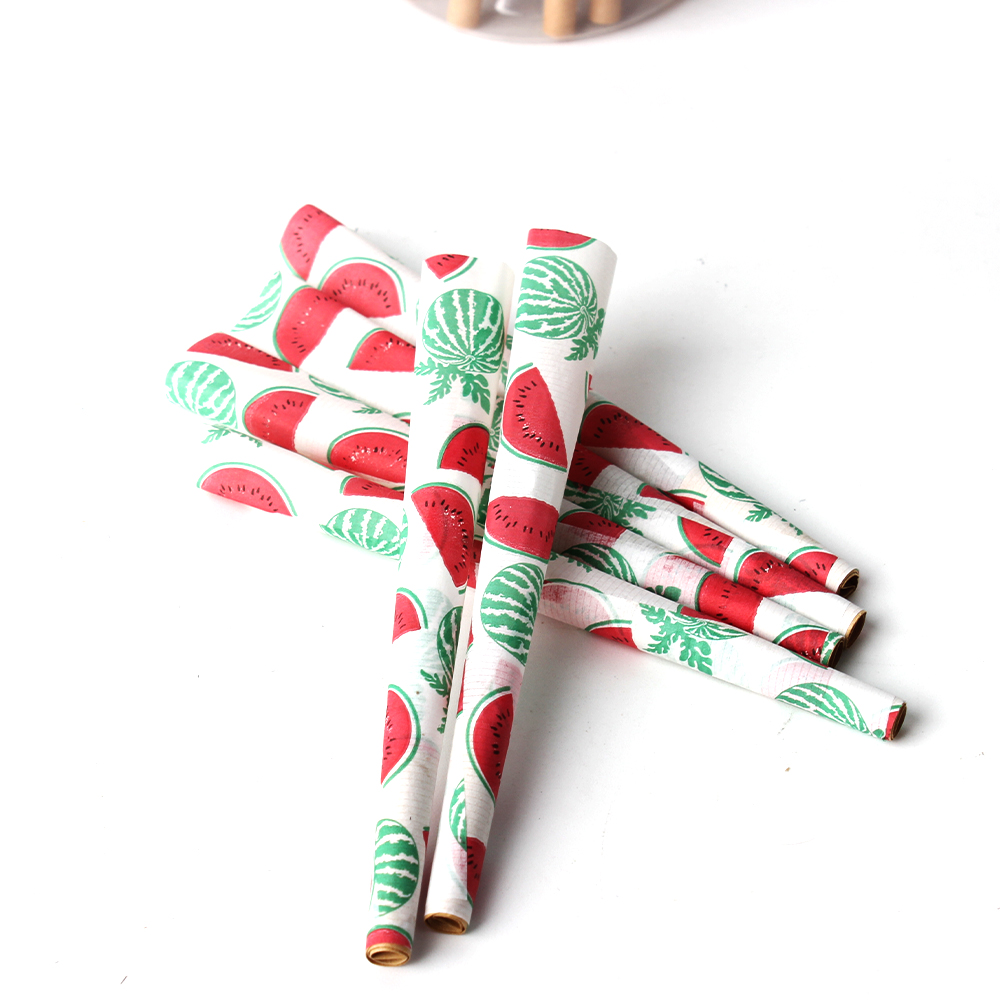
The relationship between pre-roll cones and their underlying material properties directly impacts user experience. Porosity control and rolling paper thickness work together to determine how air flows through the cone during smoking, influencing combustion efficiency and product consistency. Manufacturers who master these parameters create products that burn evenly, maintain structural integrity, and deliver the intended flavor without harshness or uneven consumption.
Rolling paper thickness is measured in grams per square meter (GSM) and directly influences how pre-roll cones perform. Thicker papers, typically ranging from 16 to 20 GSM, provide greater structural rigidity and reduce the likelihood of tearing during the filling and packing process. This thickness also slows the burn rate, allowing smokers to enjoy a longer session without rushing through their product, which is particularly important for premium offerings where consumers expect extended enjoyment.
Conversely, thinner rolling paper thickness, around 13 to 15 GSM, creates a faster burn rate and allows more air penetration. While some enthusiasts prefer this lighter experience for its minimal paper taste, thin pre-roll cones can be fragile and may split during handling or packing. The ideal thickness balance depends on the intended market segment and consumer preferences, making this a critical quality control parameter for manufacturers.
The raw materials used in rolling paper thickness formulations significantly affect cone performance. Papers made from wood pulp offer different characteristics than those from hemp fiber or rice paper, with each material presenting unique burn rates and flavor neutrality profiles. Premium pre-roll cones often use high-quality, bleached paper that burns more evenly and provides a cleaner aesthetic, while maintaining appropriate thickness for durability without excessive burn slowdown.
Porosity control refers to the density and distribution of microscopic air gaps within the rolling paper used for pre-roll cones. These pores directly determine how much oxygen reaches the burning material, affecting combustion speed and heat intensity. Higher porosity means more oxygen penetration, resulting in faster, hotter burns, while lower porosity restricts airflow and creates slower, cooler burns that preserve flavor and reduce harshness.
Manufacturers achieve porosity control through specific pulp processing techniques and chemical treatments applied during paper production. The goal is to create consistent, uniform pore distribution that delivers predictable burn characteristics across every pre-roll cone in a batch. Inconsistent porosity leads to uneven burns, requiring smokers to constantly rotate or relight their cones, significantly diminishing product satisfaction and brand reputation.
Achieving optimal porosity control without compromising cone permeability requires careful engineering of the paper structure. Pre-roll cones must maintain sufficient density to remain intact during manufacturing, shipping, and storage, yet possess enough porosity to allow smooth airflow and even combustion. This balance is where quality differentiation emerges among manufacturers, with premium brands investing in advanced equipment and quality testing to ensure every cone meets strict porosity specifications.
Cone permeability encompasses both the paper's porosity characteristics and the physical structure of the pre-roll cones themselves, including the cone's shape, seal tightness, and air passage design. A cone with optimal permeability allows air to draw steadily through the packed material, supporting even combustion without creating hot spots or tunneling effects where the flame burns faster on one side than another. This consistency transforms the smoking experience from unpredictable to reliably smooth.
Air intake in pre-roll cones occurs primarily through the paper walls and at the cone tip, where the air enters and oxygen supports the burn. The cone's shape influences how air moves through the interior, with wider base areas and gradual tapers generally producing better airflow distribution than abrupt cone angles. Manufacturers optimize air intake dynamics by testing various cone geometries and paper configurations to identify designs that deliver superior burn characteristics and user satisfaction.
Humidity and temperature significantly impact how cone permeability performs in real-world conditions. Pre-roll cones stored in high-humidity environments absorb moisture, which increases paper density and reduces effective permeability, potentially creating slow, harsh burns. Conversely, extremely dry conditions can make cones brittle and overly porous, leading to fast, uncontrollable burns. Manufacturers address this by using appropriate packaging materials and storage recommendations, ensuring pre-roll cones maintain their intended permeability characteristics regardless of climate conditions.
The ideal rolling paper thickness typically ranges from 14 to 18 GSM for most applications, balancing durability with optimal burn rate. This thickness range provides sufficient structural integrity to withstand manufacturing and handling while maintaining porosity control that allows even, smooth burns. The specific ideal thickness depends on target consumer preferences and intended smoking duration.
Porosity control directly influences combustion temperature and oxygen availability, which affects flavor extraction and smoothness. Lower porosity creates cooler burns that preserve delicate flavor compounds, while higher porosity generates hotter burns that can char material and introduce harsh tastes. Pre-roll cones with well-calibrated porosity control deliver balanced flavor without sacrificing smoothness or creating unpleasant burning sensations.
Yes, environmental conditions significantly impact cone permeability over time. Moisture absorption from high humidity increases paper density and restricts airflow, while excessive dryness can make paper overly porous and brittle. Proper storage in sealed, climate-controlled environments preserves the intended cone permeability and ensures pre-roll cones perform consistently when finally used.