EN
EN

understanding-the-physics-of-watermarks-in-rolling-paper-booklets, understanding-the-physics-of-watermarks-in-rolling-paper-booklets, /news
EN
2026/08/31
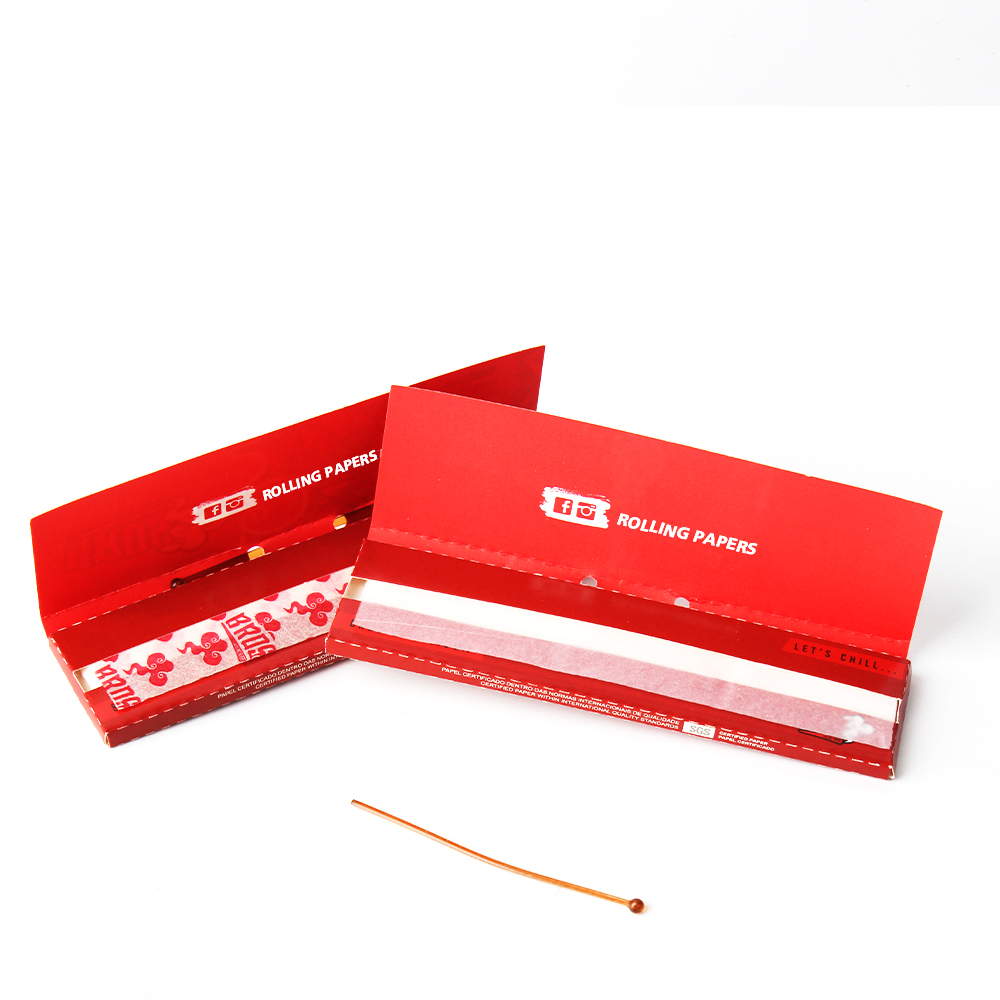
Watermarks in rolling paper booklets represent a fascinating intersection of chemistry, physics, and paper engineering that directly influences smoking experience and product quality. Understanding the mechanisms behind watermark formation helps consumers and manufacturers alike appreciate why certain rolling paper booklets perform differently during use. The physics governing watermark appearance reveals deeper truths about paper composition, fiber density, and the manufacturing processes that define rolling paper booklets across the market.
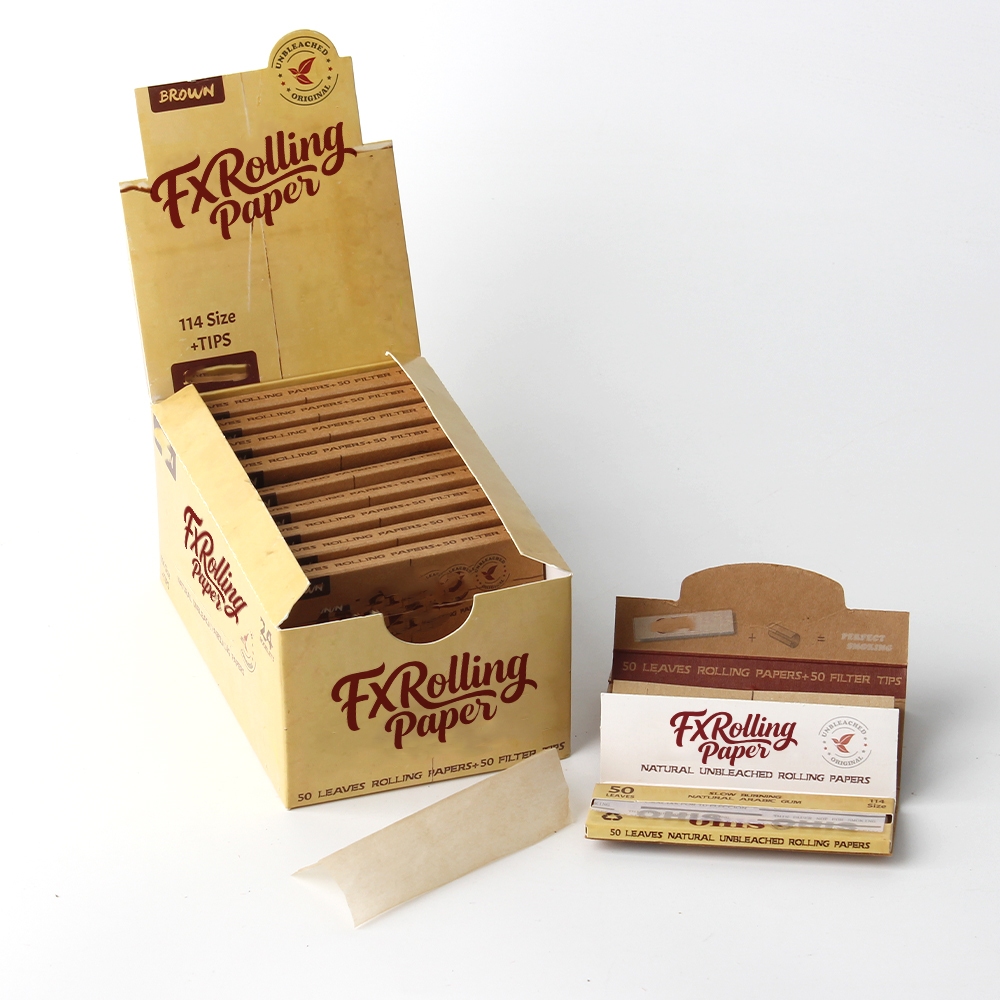
Watermark rolling paper exists due to the fundamental structure of thin rolling paper and how light interacts with varying fiber densities. When manufacturers create rolling paper booklets, they compress plant fibers into sheets at different densities across the width and length. These density variations become visible when light passes through the paper, creating the distinctive watermark pattern that appears when you hold your rolling paper booklets up to a light source.
The creation of watermark rolling paper begins during the pulping and sheet-forming stage of manufacturing. Rolling paper booklets use plant-based fibers that undergo mechanical processing to achieve consistent thickness and strength. During formation, manufacturers intentionally vary the compression pressure across the paper web, creating areas of higher and lower fiber density. Thin rolling paper naturally exhibits these micro-variations because the base material itself contains unevenly distributed fibers.
When light shines through rolling paper booklets, photons pass through the areas of lower fiber density more easily than through compressed regions. This differential light transmission creates the visual pattern recognized as a watermark. The physics here involves basic optics: areas where fewer fibers occupy the same space allow more light transmission, appearing brighter, while denser fiber regions scatter and absorb more light, appearing darker. This principle applies uniformly across all quality rolling paper booklets regardless of brand or composition.
Fiber density directly correlates with paper strength and burn characteristics in rolling paper booklets. Higher density areas within watermark rolling paper create stronger structural points that resist tearing during rolling and smoking. Lower density regions burn more quickly because they contain fewer fibers per unit volume, allowing oxygen to penetrate the paper matrix more easily. Manufacturers carefully engineer these density patterns to balance strength, burn rate, and smoking experience.
The paper burn rate in rolling paper booklets depends significantly on how evenly distributed the fiber density remains. If density varies too drastically, the paper burns unevenly, creating runs and hot spots that compromise the smoking experience. Watermark patterns visible in quality rolling paper booklets indicate that manufacturers maintain precise control over fiber distribution, resulting in predictable and consistent burn characteristics across each sheet.
Thin rolling paper relies on cellulose fibers, typically derived from flax, hemp, or wood pulp, arranged in random networks. When light encounters this network, several optical phenomena occur simultaneously. Fibers scatter light through refraction and reflection at fiber-air interfaces, while the spaces between fibers allow light transmission. In rolling paper booklets, the watermark becomes visible because the fiber density variations change how effectively the paper network transmits or scatters incident light.
The physics of watermark rolling paper involves understanding how fiber diameter, surface texture, and packing density influence optical properties. Smaller diameter fibers pack more densely when compressed, creating regions that scatter more light and appear darker in transmitted light viewing. Areas with slightly lower compression contain fewer fibers per unit area, allowing more light to pass through directly, creating the bright regions of the watermark pattern. This optical principle remains constant across all rolling paper booklets.
Humidity and temperature influence how readily watermarks become visible in rolling paper booklets. Moisture absorption by cellulose fibers causes them to expand, subtly altering the paper structure and changing light transmission properties. In humid conditions, the fiber networks in rolling paper booklets absorb water, increasing the opacity of both dense and less dense regions. This can make watermarks appear less distinct than they would in dry conditions.
Conversely, very dry conditions cause fibers to shrink slightly, increasing the optical contrast between density variations in watermark rolling paper. This explains why watermarks sometimes appear more pronounced when you examine rolling paper booklets after storage in low-humidity environments. The physics here involves hygroscopic properties of cellulose, which gains or loses moisture depending on ambient relative humidity, directly affecting fiber dimensions and the light transmission characteristics of thin rolling paper.
The paper burn rate in rolling paper booklets correlates directly with the fiber density patterns revealed by watermarks. Manufacturers engineer these patterns intentionally to promote even burning across the entire paper surface. When density remains relatively uniform, as indicated by subtle, well-distributed watermark patterns, the combustion front advances evenly along the length of a rolled cigarette. Irregular or poorly distributed density creates thin spots that burn faster and thick spots that burn slower, producing uneven consumption.
Quality rolling paper booklets exhibit watermark patterns that indicate optimal density distribution for slow, even burning. The physics of combustion in thin rolling paper depends on how readily oxygen can penetrate the fiber network and reach the tobacco or smoking material. Slightly lower density regions burn faster because the open structure allows oxygen diffusion and heat transfer more efficiently. Manufacturers balance these properties to achieve the paper burn rate desired by consumers without producing hot spots or runs.
Watermark rolling paper serves as a quality indicator that manufacturers maintain consistent fiber distribution throughout production runs. Each sheet in rolling paper booklets should exhibit similar watermark patterns, signaling that fiber density remains stable from sheet to sheet. This consistency ensures that the paper burn rate remains predictable whether you use the first or last sheet in a booklet. Variations in watermark appearance sometimes indicate manufacturing irregularities that might affect smoking performance.
When examining rolling paper booklets, comparing watermark patterns between sheets provides insight into production quality and consistency. Sheets with dramatically different watermark appearance suggest that the paper burn rate might vary between them. Thin rolling paper from reputable manufacturers shows highly consistent watermark patterns throughout each booklet, confirming that quality control standards remained constant during production. This physical evidence directly correlates with the reliable, predictable performance consumers expect from premium rolling paper booklets.
Watermarks appear because manufacturers compress plant fibers at varying densities during papermaking. These density variations become visible when light passes through the sheet, creating patterns that reflect the underlying fiber distribution. The physics of light transmission means brighter areas contain fewer fibers while darker areas contain denser fiber networks. This phenomenon is inherent to thin rolling paper production and serves as a quality indicator of proper fiber distribution.
Watermark rolling paper's density variations directly influence how quickly and evenly the paper burns. Lower density regions within rolling paper booklets burn faster because oxygen penetrates more easily, while higher density areas burn slower. Manufacturers engineer these patterns to achieve consistent paper burn rate throughout the sheet. Well-distributed watermarks indicate optimized density that produces even, slow combustion without runs or hot spots.
Examining watermarks provides valuable quality assessment information when evaluating rolling paper booklets. Consistent, well-distributed watermark patterns indicate that manufacturers maintained proper fiber density control, which correlates with reliable paper burn rate and smoking performance. Thin rolling paper from quality manufacturers shows similar watermark patterns across all sheets in a booklet. Dramatic variations between sheets might suggest inconsistency in production quality or potential performance irregularities.