EN
EN

what-affects-the-opacity-and-thickness-of-custom-rolling-papers, what-affects-the-opacity-and-thickness-of-custom-rolling-papers, /news
EN
2026/08/11
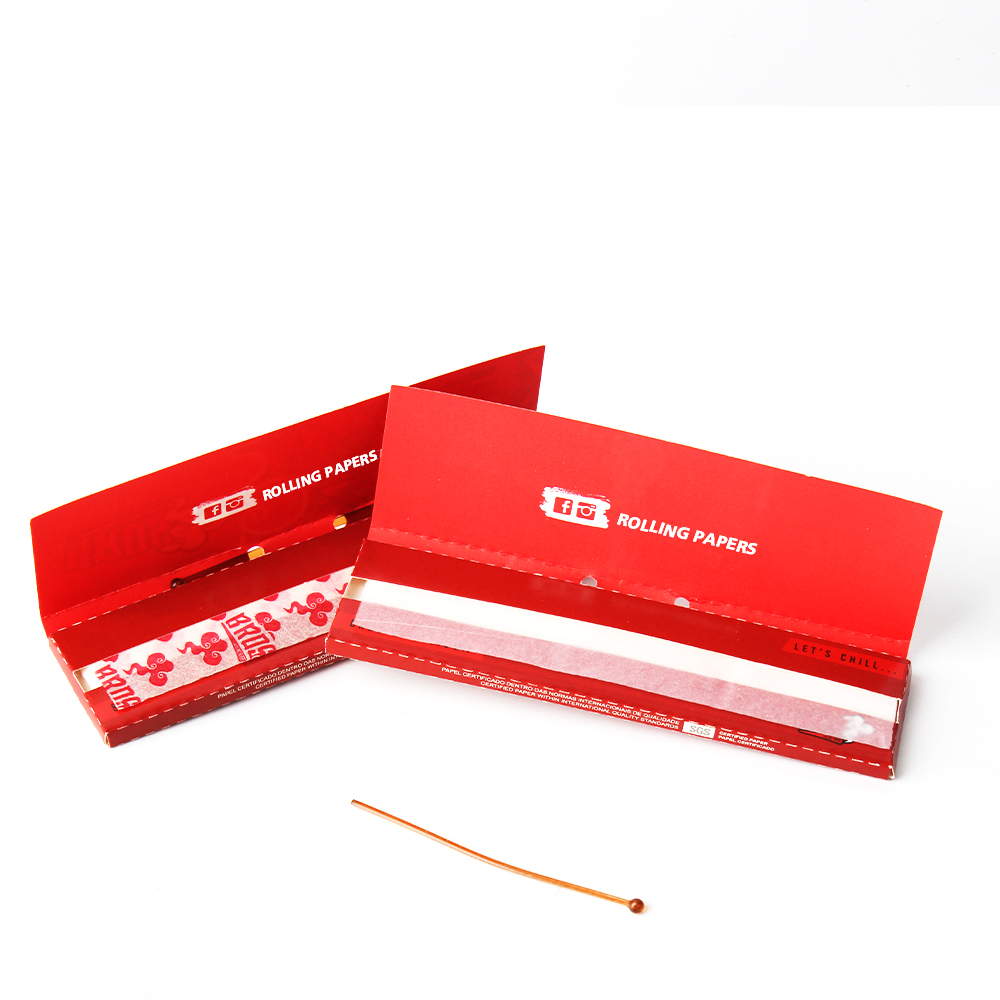
Understanding the factors that influence opacity and thickness in custom rolling papers is essential for manufacturers, distributors, and end users who demand consistent quality and performance. Custom rolling papers represent a significant market segment where material specifications directly impact user experience, burn characteristics, and brand perception. Whether you are developing personalized paper for retail distribution or producing branded smoking booklets, the science behind opacity and thickness determines whether your product meets industry standards and consumer expectations.
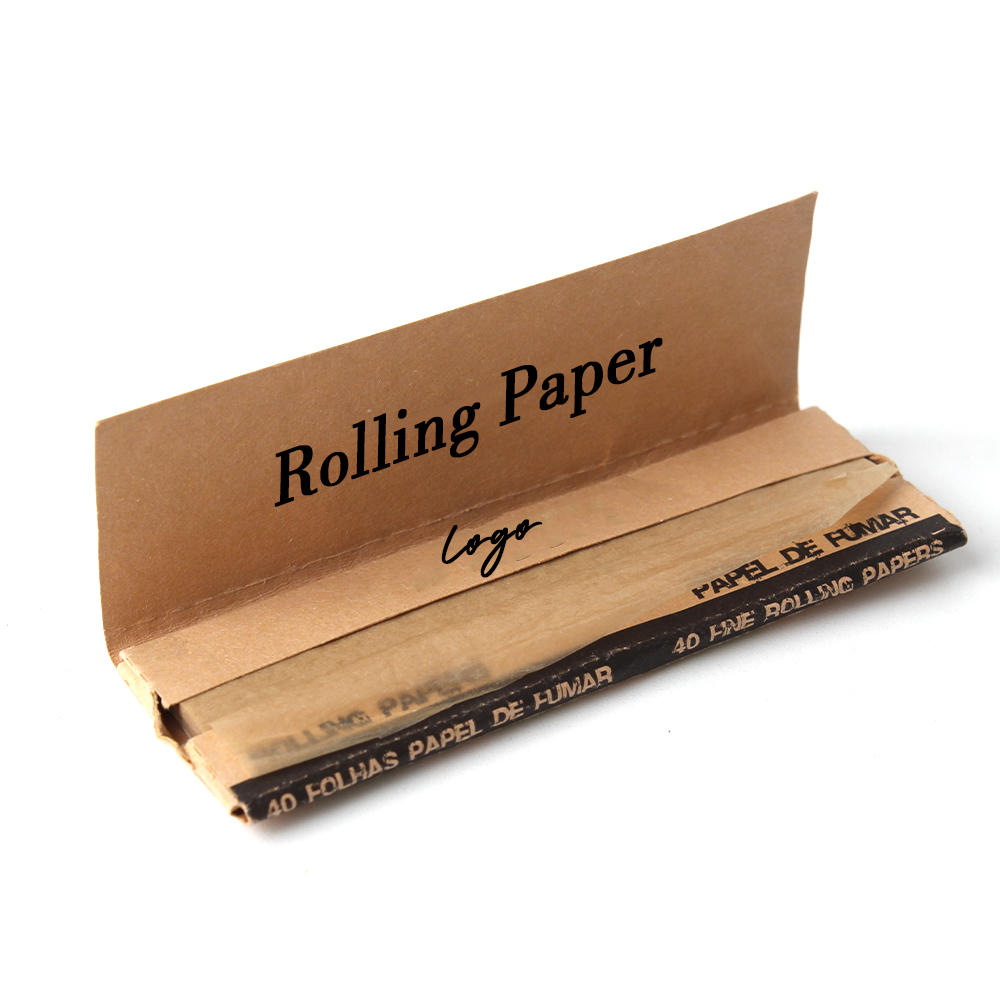
The manufacturing process for custom rolling papers involves precise control of multiple variables that work together to achieve the desired final specifications. Raw material selection, pulp processing, pressing techniques, and drying methods all contribute to how opaque or thick the finished sheet becomes. Understanding these factors enables producers to create personalized paper that balances thickness with breathability, opacity with visibility of printed logos, and durability with ease of use.
The type of pulp used in manufacturing smoking booklet materials significantly determines opacity levels. Mechanical pulp, which retains more lignin and fibers than chemical pulp, naturally produces higher opacity because the fibers scatter more light. Chemical pulp yields brighter, more translucent papers due to its refined fiber structure. For custom rolling papers intended for logo paper applications, the choice between these pulp types depends on whether designers want the printed graphics to appear bold and opaque or subtle and layered. Bleaching processes also affect opacity; more heavily bleached pulps create lighter, potentially more translucent sheets, while lesser-bleached fibers maintain more light-scattering capacity.
Fiber length distribution directly influences both thickness and opacity characteristics. Longer fibers create denser networks that can trap more air, contributing to perceived thickness and opacity. In personalized paper production, controlling fiber length ensures consistent sheet properties across production batches. Shorter fibers, conversely, pack more tightly, producing thinner sheets with potentially lower opacity. The beating and refining process during pulp preparation determines average fiber length; more intense refining creates finer fibers that bond more closely, while gentler treatment preserves longer fibers that maintain more structural integrity and light-scattering properties. This balance is critical when producing high-quality custom rolling papers that must perform consistently.
The pressing stage fundamentally controls final thickness in smoking booklet and custom rolling papers manufacturing. Higher pressure during pressing reduces sheet thickness by forcing fibers closer together and expelling trapped air. However, over-pressing compromises paper performance; it can reduce opacity by eliminating light-scattering air pockets and may make the paper too stiff for rolling applications. Manufacturers optimize pressing force to achieve the target thickness while maintaining sufficient opacity and flexibility. The drying temperature and speed also influence compression; rapid drying can lock in more air bubbles, increasing both thickness and opacity, while slow drying allows more fiber consolidation and compression.
Modern custom rolling papers often incorporate sizing agents, fillers, and other chemical additives that directly affect opacity and thickness. Calcium carbonate and other mineral fillers increase opacity by scattering light but add minimal thickness. Sizing compounds enhance water resistance without significantly altering thickness. For logo paper applications where printed graphics must remain vivid, additives are carefully selected to maximize opacity without creating brittleness or reducing smoking performance. Some manufacturers apply thin coating layers to printed surfaces to enhance color vibrancy and protect logos; these coatings add measurable thickness while improving opacity at the print interface. Understanding additive chemistry enables producers to fine-tune thickness and opacity independently, creating personalized paper that meets both functional and aesthetic requirements.
Basis weight, measured in grams per square meter (gsm), serves as the primary specification for thickness in custom rolling papers and smoking booklet products. A heavier basis weight indicates thicker paper with more raw material per unit area. Industry standards for rolling papers typically range from 40 to 100 gsm; papers under 50 gsm are considered thin and lightweight, while 70–100 gsm papers are notably thicker and more durable. When specifying personalized paper or logo paper for bulk orders, basis weight directly determines manufacturing costs and performance characteristics. Heavier papers offer greater durability and opacity but require more energy to produce and may feel too stiff for premium rolling experiences.
Higher basis weight generally correlates with improved opacity because thicker sheets contain more fiber mass to scatter light. However, this relationship is not strictly linear; opacity also depends heavily on fiber type, air content, and surface properties. A 60 gsm paper made from mechanical pulp may appear more opaque than an 80 gsm paper made from refined chemical pulp, even though the latter weighs more. When designing custom rolling papers with printed logos, producers must balance basis weight specifications with opacity targets to ensure brand graphics remain clearly visible without making the paper feel overly thick. Testing actual samples under consistent lighting conditions reveals how basis weight, fiber composition, and manufacturing techniques work together to produce the desired final opacity.
Air trapped within the paper structure significantly enhances opacity by scattering light within the sheet matrix. Custom rolling papers with higher air content appear more opaque because light cannot pass straight through; instead, it bounces between fiber walls and air pockets. Calender settings control air retention during manufacturing; lighter calendering preserves air pockets and increases both perceived thickness and opacity, while heavy calendering compresses the sheet and reduces air content. Smoking booklet manufacturers balance air content carefully because excessive air makes paper too brittle and reduces opacity uniformity, while insufficient air makes paper feel thin and may allow ink from logo printing to show through excessively on the reverse side.
Surface texture influences how opacity and thickness are perceived visually. Rough, toothy surfaces scatter light more effectively, enhancing perceived opacity even at modest basis weights. Personalized paper with embossed textures or matte finishes typically appears thicker and more opaque than smooth surfaces of identical composition. For logo paper applications, texture can emphasize or minimize the visibility of printed graphics depending on design intent. Gloss or semi-gloss coatings reduce surface light scattering but concentrate color intensity, making logos appear more vibrant while potentially reducing the paper's tactile perception of thickness. Understanding these perceptual interactions allows manufacturers to craft custom rolling papers that balance functional opacity with the desired visual and tactile user experience.
Basis weight, expressed in grams per square meter, directly correlates with paper thickness. Higher basis weight means more fiber and material per unit area, resulting in visibly thicker sheets. For custom rolling papers, basis weight typically ranges from 40 to 100 gsm; users can feel the difference between light 50 gsm papers and heavier 80 gsm options. Thicker papers offer improved durability and burn consistency but require more material to manufacture, affecting production costs and environmental footprint.
Chemical additives like calcium carbonate fillers and sizing agents enhance opacity by increasing light scattering or creating more uniform fiber distribution. These substances are selected and dosed precisely to achieve target opacity levels without compromising smoking performance or rollability. For logo paper used in branded smoking booklets, additives ensure that printed graphics remain vivid and visible while maintaining the paper's functional characteristics. Overuse of additives can make paper brittle, so manufacturers must carefully balance opacity gains against quality and performance requirements.
Yes, lighter basis weight papers can achieve strong opacity through careful fiber selection and processing. Mechanical pulp, which retains more light-scattering fibers, produces more opaque sheets than chemical pulp even at equivalent basis weights. Additionally, manufacturing techniques that preserve air pockets and surface texture enhance opacity perception without increasing actual material weight. Custom rolling papers manufacturers use this principle to create premium thin papers that feel substantial and appear fully opaque, balancing aesthetic appeal with user experience preferences.