EN
EN
what-brands-should-confirm-before-approving-custom-preroll-cones, what-brands-should-confirm-before-approving-custom-preroll-cones, /news
EN
2026/08/12
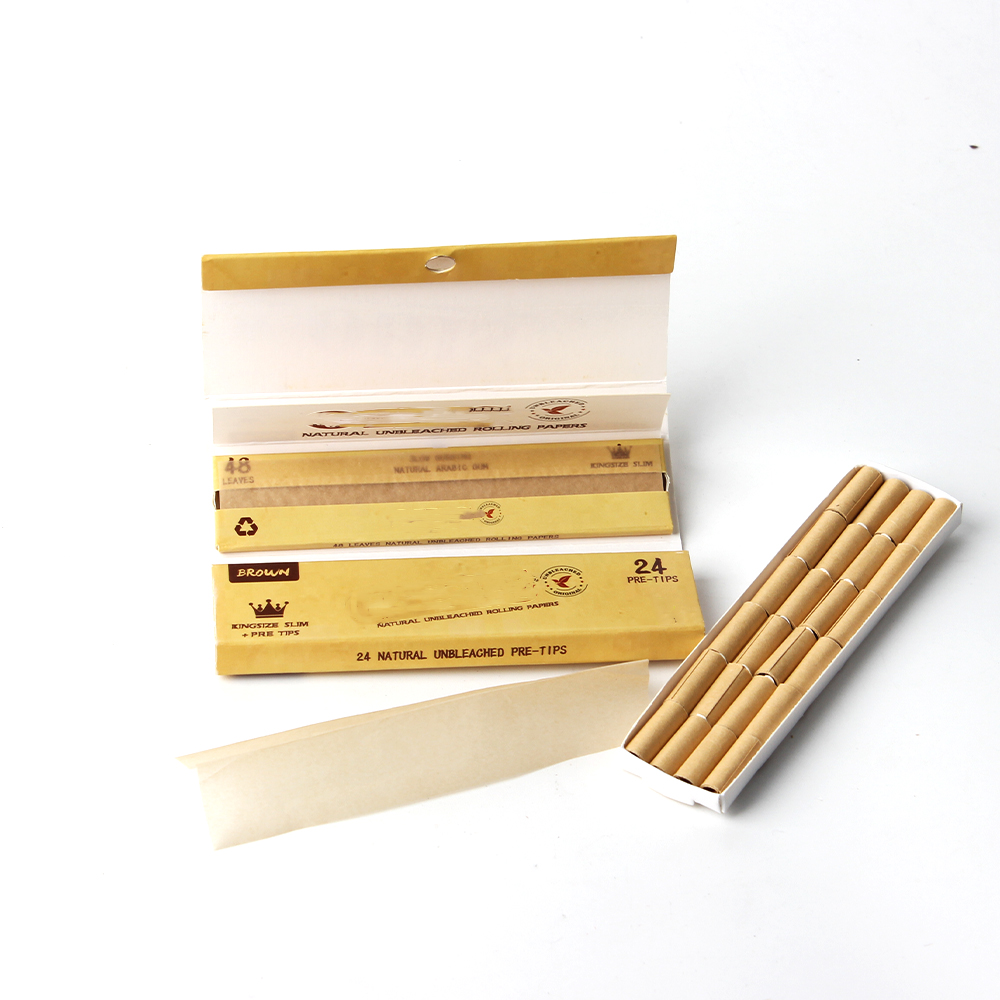
Launching a branded pre-roll product requires careful planning, and approving custom cones is a critical decision that directly impacts your brand reputation and customer satisfaction. Before you give the final approval to any manufacturer, understanding what to verify ensures that your custom cones meet your standards, comply with regulations, and reflect your brand identity accurately.
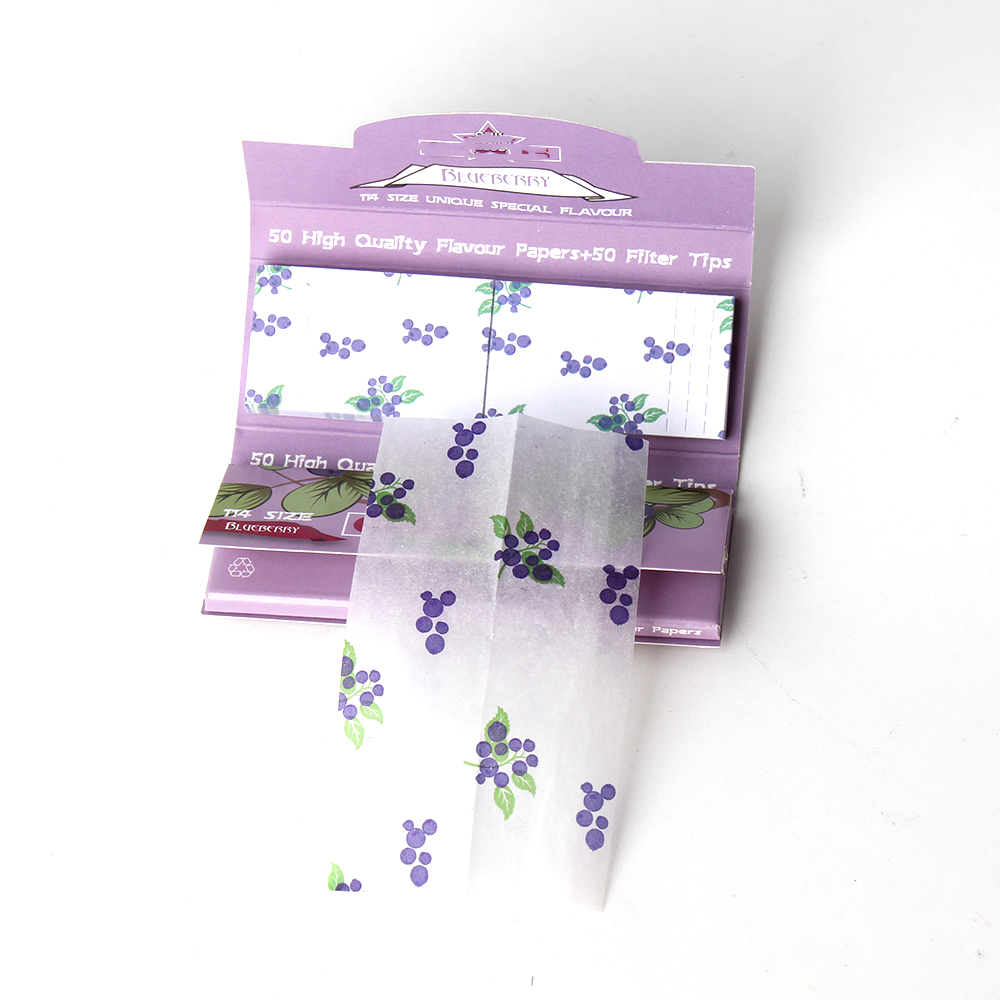
The approval process for custom cones involves multiple layers of evaluation, from visual inspection to functional testing to compliance verification. Taking time to verify critical details before committing to a full production run prevents costly mistakes, regulatory issues, and damage to brand credibility. This guide walks you through the essential checkpoints that responsible brands use when approving their custom cone products.
Your brand artwork must appear exactly as intended on the final custom cones. Before sample approval is finalized, request physical samples printed in your exact brand colors and compare them side-by-side with your approved design files. Digital screens often display colors differently than printed materials, so color matching on the actual cone substrate is essential. Verify that logos, text, and imagery are sharp, properly positioned, and match your brand guidelines in terms of size, spacing, and orientation.
Color consistency across the entire batch is another critical element. Ask your manufacturer to provide samples from different production runs or batches to ensure that brand artwork remains consistent. Fading, misalignment, or color drift between batches can damage brand perception. Check that all custom specs regarding color profiles, Pantone matches, or CMYK values are correctly applied to the printing process before you approve production.
Review the custom specs for material composition, thickness, and durability. The cone material should feel consistent, have the correct weight, and maintain structural integrity. Custom cones made from substandard materials may crack, tear during use, or fail to hold product effectively. Verify that the material sourcing, thickness specifications, and finish quality match what you approved in your original custom specs documentation.
Texture and surface finish are also important quality markers. Whether your custom cones feature a smooth, matte, or specialty finish, confirm that the sample's feel and appearance align with your expectations. Poor material quality often becomes apparent only during actual customer use, so thorough tactile and visual inspection during sample approval helps prevent negative feedback.
Sample approval should include testing how your actual product fits inside the custom cones. Load the cones with your product and verify that the fit is secure, the product doesn't shift excessively, and the cone closure or design functions as intended. Test multiple samples to ensure consistency. If your custom cones are designed with a specific roll diameter, closure type, or tip configuration, validate that the engineering works reliably across different usage scenarios.
Burn characteristics, if applicable to your product, should also be evaluated during sample approval. If end-users will consume the product, test how the cone material performs during actual use. Check for residue, ash consistency, taste impact, and any unwanted chemical flavor. Custom specs should define acceptable performance parameters, and your samples must meet those criteria before approval moves forward.
Your custom cones must withstand storage and handling without degradation. Test samples under various storage conditions, including temperature fluctuations, humidity exposure, and light conditions. Check whether custom specs account for climate control needs or packaging requirements. Cones that become brittle, lose shape, or warp under normal storage conditions will disappoint customers and create liability issues.
Seal integrity is equally important if your custom cones come pre-packaged. Verify that moisture barriers, child-resistant packaging, or tamper-evident features work correctly. Review quality control documentation to confirm that the manufacturer tested samples under simulated distribution conditions before seeking your approval.
Before sample approval is granted, confirm that your custom cones comply with all applicable regulations in your jurisdiction. This includes material safety certifications, labeling requirements, age-verification features, and packaging standards. Request certificates of compliance or testing reports from your manufacturer. Custom specs should explicitly reference all regulatory requirements so that both you and the manufacturer are aligned on standards.
Labeling accuracy is particularly critical. Verify that warning statements, ingredient lists, manufacturer information, and batch codes are legible, properly positioned, and legally compliant. Custom cones featuring custom specs that include misprinted or missing regulatory information create legal exposure and can prevent product from reaching market.
Request comprehensive quality control documentation from your manufacturer before giving final approval. This should include batch testing records, defect rates, and corrective action reports. Review custom specs to understand what quality benchmarks your manufacturer committed to maintaining. Request that sample approval include a written certification that production samples meet all agreed-upon quality standards and specifications.
Ask your manufacturer to outline their quality control process for ongoing production batches. Understanding how they verify consistency, catch defects, and handle non-conforming units gives you confidence that future shipments will meet the same standards as your approved samples. Document these commitments in writing before committing to large production volumes.
Most manufacturers recommend allowing 2–4 weeks from the initial sample submission to final approval. This timeframe allows sufficient time for sample approval review, testing, and any requested revisions to custom specs or design elements. Rushing sample approval increases the risk of approving substandard products and creates pressure to move into production before issues are identified.
Request at least 3–5 samples from different production batches during sample approval. This quantity gives you enough product to conduct functional testing, visual inspection, and durability checks while identifying potential batch-to-batch inconsistencies. Multiple samples also allow you to verify that custom specs are being met consistently rather than just on an isolated prototype.
Third-party testing is highly recommended, especially if your custom cones are destined for regulated markets or if quality carries significant brand or liability implications. Independent labs can verify material composition, regulatory compliance, safety standards, and performance metrics. The cost of third-party testing during sample approval is minimal compared to the expense and reputation damage of recalling or discontinuing a defective product after full-scale production.