EN
EN

what-brands-should-know-about-custom-pack-quantities-for-cones2, what-brands-should-know-about-custom-pack-quantities-for-cones2, /news
EN
2026/08/05
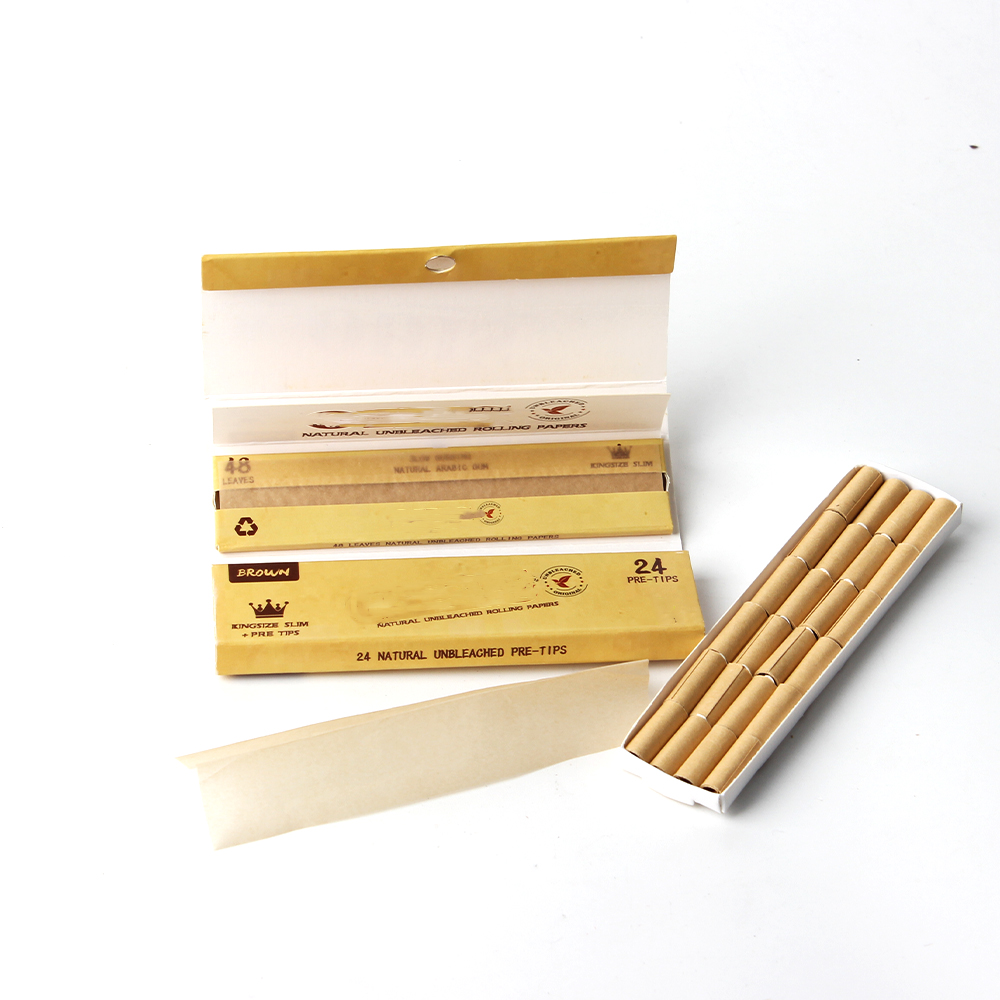
Brands entering the market with custom cones face a critical decision: determining the right pack quantity for their business model and growth trajectory. Pack quantity directly influences manufacturing costs, storage requirements, cash flow, and the ability to scale efficiently. Understanding how to balance minimum order quantities with actual market demand separates successful brands from those facing inventory challenges or missed opportunities.
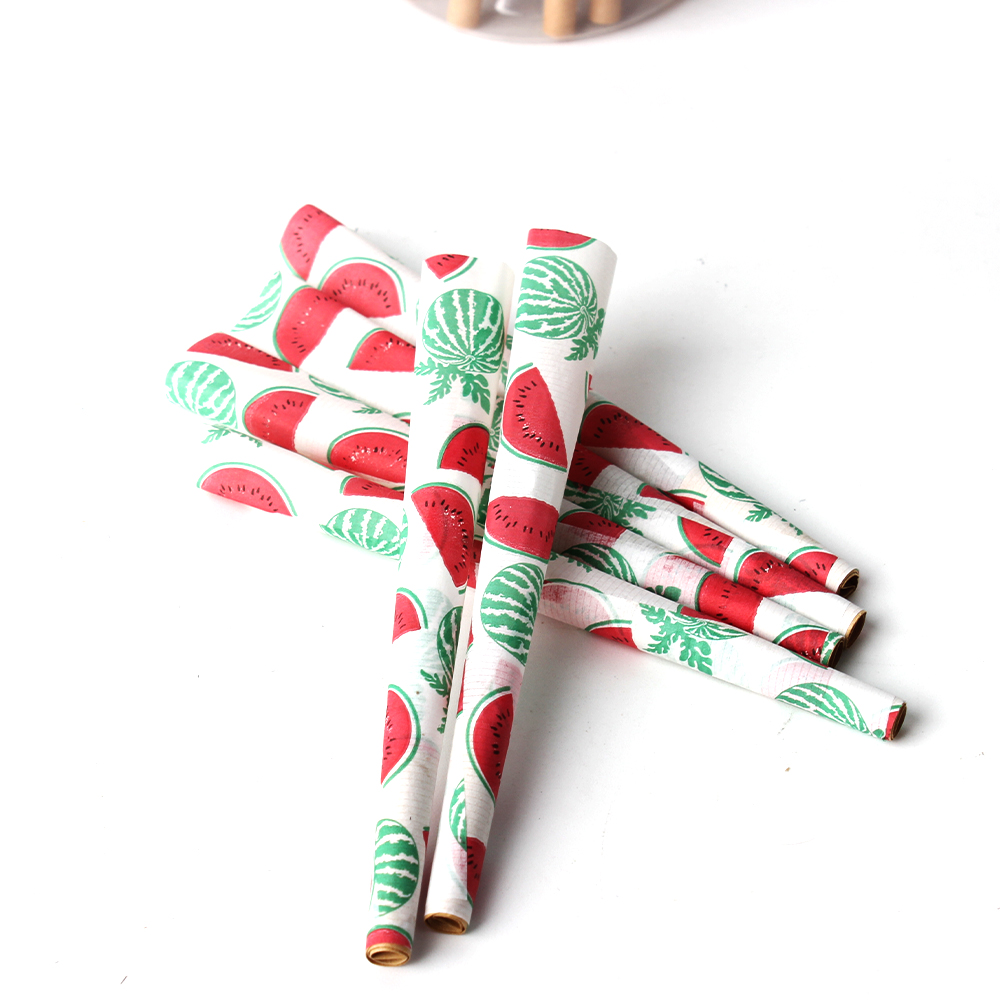
When launching a private label or expanding custom packaging capabilities, the choice of pack quantity becomes a strategic business lever. Smaller order quantities reduce financial risk but increase per-unit costs, while larger volumes lower costs but demand stronger demand forecasting and warehouse capacity. Brands must evaluate their specific wholesale planning needs, distribution channel requirements, and inventory turnover expectations to make decisions that support rather than constrain growth.
Manufacturers offering custom cones typically establish minimum order quantities based on production efficiency and setup costs. These minimums directly affect the landed cost per unit. A private label supplier may require 500-unit minimums for basic designs, 1,000 units for moderate customization, or 5,000+ units for fully bespoke custom packaging solutions. Understanding this tiering is essential because each bracket determines your per-unit economics and profit margins.
Brands must calculate the true cost of ownership across different pack quantity scenarios. This includes production costs, packaging, shipping, and storage overhead allocated per unit. When comparing wholesale planning options, a brand might find that moving from 500 to 1,000-unit orders reduces per-unit costs by 15-25%, but doubles inventory holding costs and warehouse space. The optimal pack quantity balances these competing factors against your actual sales velocity and cash position.
Most manufacturers structure custom packaging pricing with volume-based discounts that incentivize larger commitments. A 500-unit order of custom cones might cost $0.75 per unit, while 2,000 units drops to $0.50 and 5,000 units reaches $0.40. For private label brands with tight margins, these cost reductions are compelling. However, the absolute dollar commitment increases substantially. The decision requires forecasting whether your distribution can move that inventory within your cash conversion cycle.
Brands should map out projected monthly sales across 12-24 months and identify the pack quantity threshold where per-unit savings justify the upfront investment and working capital impact. Some brands benefit from starting with smaller quantities despite higher per-unit costs, then increasing pack quantity once sales patterns stabilize and demand is proven.
Wholesale planning success depends on matching pack quantity to your distributor agreements and retail placement strategy. If you supply 10 retailers with average monthly reorders of 50 units each, a 500-unit order covers one month of supply. However, most distributors prefer brands with consistent availability and the ability to fulfill multiple shipments weekly. This dynamic often pushes brands toward larger pack quantities to maintain inventory depth and prevent stockouts that damage retail relationships.
For private label brands focusing on direct-to-consumer channels, the pack quantity calculation differs significantly. DTC models typically generate more volatile, unpredictable demand but offer superior margins and inventory control. In this scenario, custom cones ordered in smaller batches may align better with your ability to forecast demand and manage working capital. The pack quantity choice reflects your distribution model, not just manufacturing minimums.
Brands with seasonal sales cycles must consider how pack quantity decisions affect cash flow and inventory aging. Custom packaging often carries longer lead times of 4-12 weeks, requiring brands to forecast demand far in advance. Ordering excessive pack quantities during off-seasons ties up capital and risks obsolescence if market preferences shift. Conversely, ordering too conservatively during peak seasons may result in stockouts and lost revenue. Smart wholesale planning involves staggering orders strategically and using smaller pack quantities during uncertain periods.
Many brands adopt a hybrid approach: place larger pack quantity orders during peak seasons when demand is forecastable and margins are strong, then switch to smaller minimum quantities during slower periods to preserve cash and reduce inventory risk. This requires building relationships with suppliers willing to accommodate flexible order schedules at different volume tiers.
Custom packaging with proprietary graphics, branded artwork, or unique physical dimensions often requires larger pack quantities because setup costs and tooling investments are absorbed across higher volumes. When ordering custom cones with fully personalized branding, the per-unit cost savings between 500 and 2,000 units can be substantial due to these fixed setup expenses. Private label brands must weigh the visual differentiation benefits of full customization against the financial commitment and inventory risk of larger pack quantities.
Brands launching private label product lines should evaluate whether partially customized options using stock designs or variable data printing might suit initial orders, then transition to full custom packaging once sales justify larger commitments. This phased approach reduces financial risk while building market presence. As volume increases, negotiating pack quantity breaks becomes easier, and the cost advantages of larger orders improve.
Custom cones must meet regulatory standards across jurisdictions where they are sold. Ordering larger pack quantities can introduce quality control risks if there are batch inconsistencies in materials, printing, or physical specifications. Some brands mitigate this by ordering smaller pack quantities more frequently, enabling closer quality oversight and faster response to issues. Others accept slightly higher per-unit costs to maintain tighter quality control throughout production and shipping.
Established brands with proven suppliers often feel comfortable with larger pack quantities because they have tested quality standards and reliable relationships. Newer brands should consider whether the cost savings of large orders offset the risk of receiving thousands of potentially substandard units. A middle-ground approach involves specifying rigorous inspection protocols and sample approvals before mass production begins.
New brands typically benefit from starting with manufacturer minimums or slightly above, often 500-1,000 units, depending on your monthly sales forecast. This approach limits financial exposure while validating market demand. Once you prove consistent sales velocity over 2-3 months, you can confidently increase pack quantity to access volume discounts. The initial goal is learning market response, not optimizing per-unit costs.
Private label custom cones with full branding customization often demand larger pack quantities because tooling and setup costs increase significantly. Most private label suppliers require 2,000-5,000-unit minimums for proprietary designs. If you are building a private label product line, budget for these larger commitments upfront. However, negotiating staged rollouts or testing with semi-customized options can reduce initial pack quantity requirements while you validate the market.
Absolutely. Pack quantity directly affects inventory turnover, distributor confidence, and retail fill rates. If you order conservatively and stockouts occur, distributors lose confidence and reduce their orders or switch to competitors. If you order aggressively and inventory ages, cash flow suffers and obsolescence risk rises. Successful wholesale planning aligns pack quantity with distributor reorder frequency, sales velocity, and your working capital capacity to balance availability with financial efficiency.