EN
EN

what-buyers-should-check-in-preroll-cones-with-filter-tips, what-buyers-should-check-in-preroll-cones-with-filter-tips, /news
EN
2026/09/24
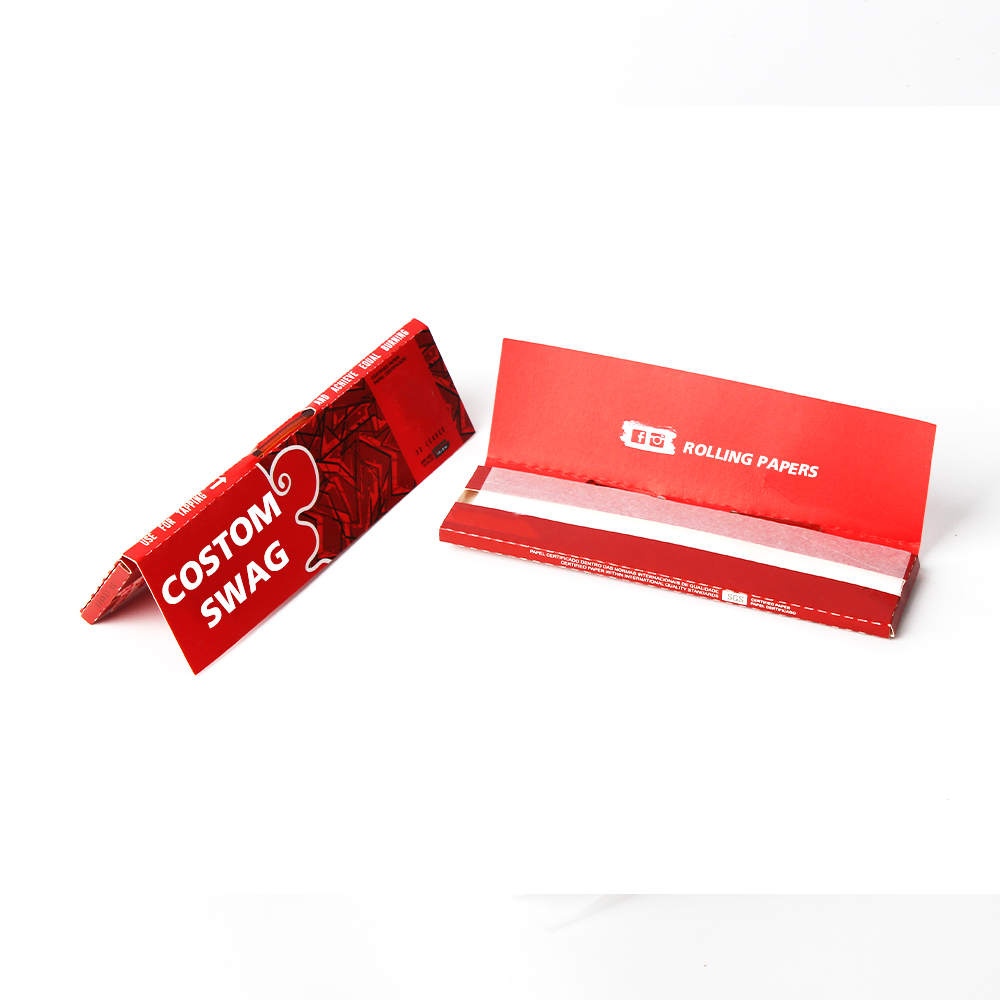
Sourcing pre-roll cones with filter tips for your B2B operation requires more than finding a supplier with competitive pricing. The quality and consistency of these products directly impact your end customers' experience, brand reputation, and regulatory compliance. Whether you're a retailer, distributor, or manufacturer sourcing cone and tip combinations, understanding what to inspect and verify before committing to large orders is essential for making informed purchasing decisions.
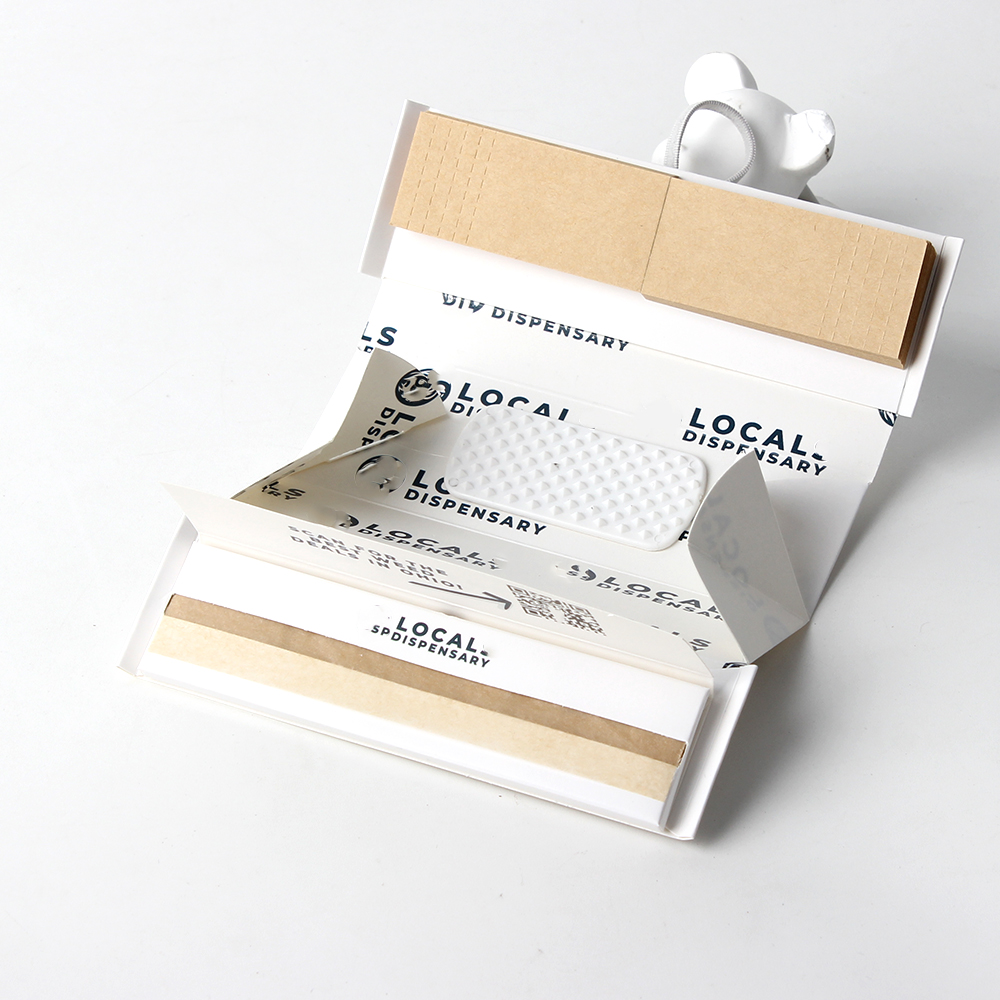
Creating a structured buyer checklist helps standardize your quality control process and ensures consistency across shipments. This guide walks through the critical inspection points, material considerations, and verification steps that professional buyers should evaluate when assessing pre-roll cones with filter tips from potential suppliers.
The foundation of quality cone and tip products begins with material selection. Premium pre-roll cones with filter tips typically use unbleached or natural paper that meets food-contact standards, along with filter tips crafted from food-grade materials. Your buyer checklist must verify that suppliers provide documentation of material sourcing, certifications, and compliance with local regulations. Ask suppliers to share samples and material safety data sheets that confirm the absence of harmful chemicals, dyes, or residues that could affect product performance or customer safety.
Inconsistent roll density across cone and tip batches leads to uneven burn rates and customer dissatisfaction. During quality control inspection, examine samples for uniform wall thickness, even rolling tension, and consistent paper weight throughout the batch. Press test samples gently to ensure they maintain structural integrity without tearing or delaminating. Your buyer checklist should include tactile and visual assessments of at least 10–20 units per sample shipment to catch manufacturing defects early before they reach your customers.
The connection between the cone and tip is a critical failure point in quality control for pre-roll cones with filter tips. Weak adhesive or poor assembly results in tips separating during use, creating waste and negative customer feedback. Implement a simple pull-test during your B2B sourcing evaluation: gently pull the filter tip away from the cone body to verify bond strength. The tip should resist separation without requiring excessive force. Request that suppliers provide batch testing data showing filter tip retention rates, and establish a minimum acceptable standard in your procurement agreement.
Pre-roll cones with filter tips must meet specific diameter, length, and taper dimensions to fit industry standard packaging and customer expectations. Include cone and tip measurements in your buyer checklist: verify the cone opening diameter, total length including the filter tip, and filter tip length independently. Use digital calipers to spot-check samples from each batch, and request suppliers to provide statistical process control data showing how tightly they maintain these tolerances. Undersized or oversized products create compatibility issues with rolling machines or packaging equipment, directly affecting your operational efficiency.
Professional quality control for pre-roll cones with filter tips depends on complete traceability and documentation. Your buyer checklist should require suppliers to provide certificates of analysis, batch numbers, production dates, and material origin verification with each order. Request samples from every significant production batch before full shipment release, and establish clear acceptance criteria tied to measurable specifications. Documentation creates accountability and provides protection if quality issues emerge after purchase. Require suppliers to maintain records for a defined period, enabling rapid problem-solving if defects appear in customer hands.
B2B sourcing in regulated markets requires additional compliance checks beyond basic quality control. Your buyer checklist must verify that suppliers comply with local laws regarding product testing, labeling, and reporting requirements specific to cone and tip products. Request copies of third-party testing reports, regulatory registrations, and import/export compliance documentation relevant to your jurisdiction. Establish relationships with suppliers who understand compliance complexity and proactively manage regulatory obligations, reducing legal and reputational risk for your business.
Start with basic visual and tactile inspection of sample units: examine paper color consistency, surface finish, and rolling uniformity. Then perform a gentle pull-test on the filter tip attachment to confirm bond strength. Request material certifications and batch documentation to verify sourcing and compliance. These initial checks identify obvious defects or material concerns without requiring specialized equipment.
For B2B sourcing, inspecting 10–20 units per batch represents a practical starting point for smaller orders. For larger shipments exceeding 10,000 units, implement statistical sampling protocols or request third-party quality audits. Your buyer checklist should specify sampling rates based on order volume and criticality. Establish clear acceptance criteria before inspection, such as zero defects for critical parameters and acceptable ranges for dimensional tolerance.
Request batch numbers, production dates, material certifications, test reports, and compliance documentation with every shipment. Your buyer checklist must include verification that supplied documentation matches actual batch materials and that records align with your specifications. Maintain organized records of all documentation for audit trails and traceability. Clear documentation enables rapid response if quality issues emerge after delivery and protects your B2B sourcing process from liability disputes.