EN
EN

EN
2026/09/16
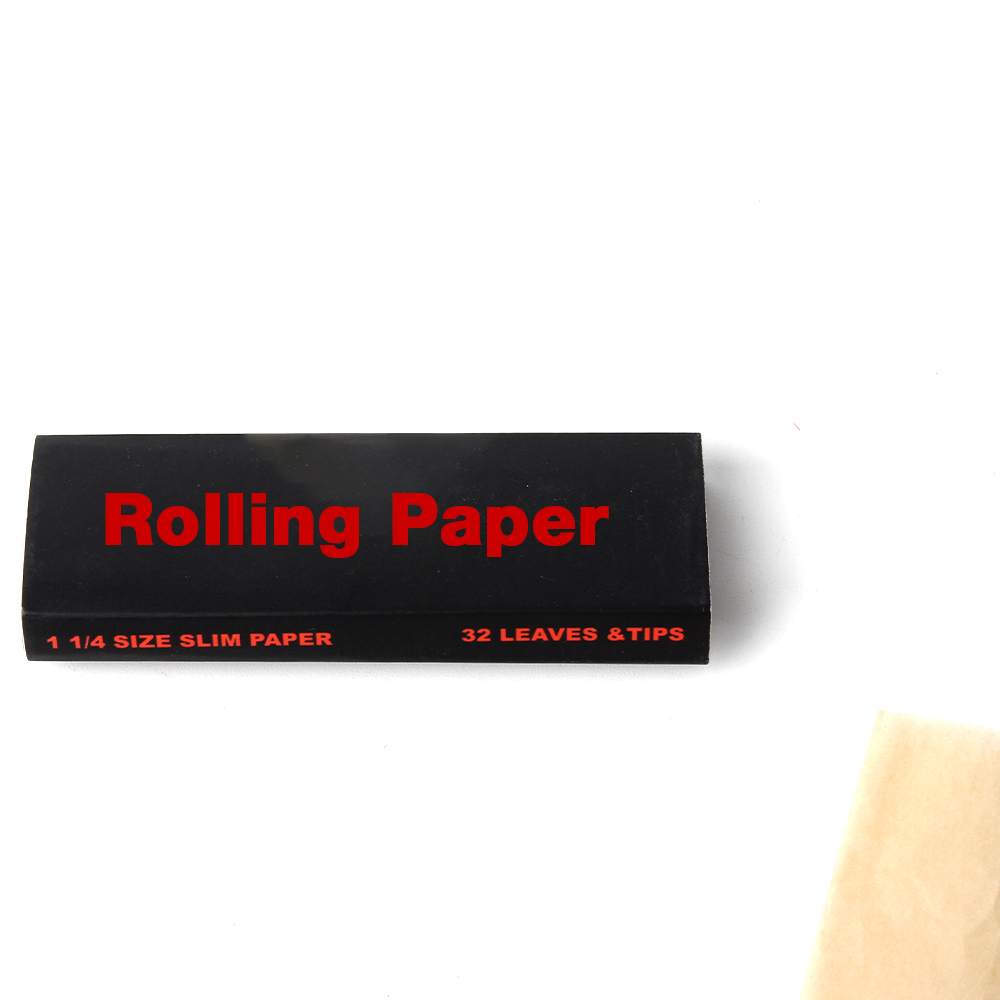
Pre-roll cone tearing represents one of the most costly challenges facing manufacturers in the cannabis and herbal product industries. When tearing occurs during bulk pre roll cones production, it creates waste, reduces output efficiency, and damages brand reputation. Understanding the root causes of this issue is essential for anyone managing bulk production operations, as prevention strategies can significantly improve yield rates and reduce material losses.
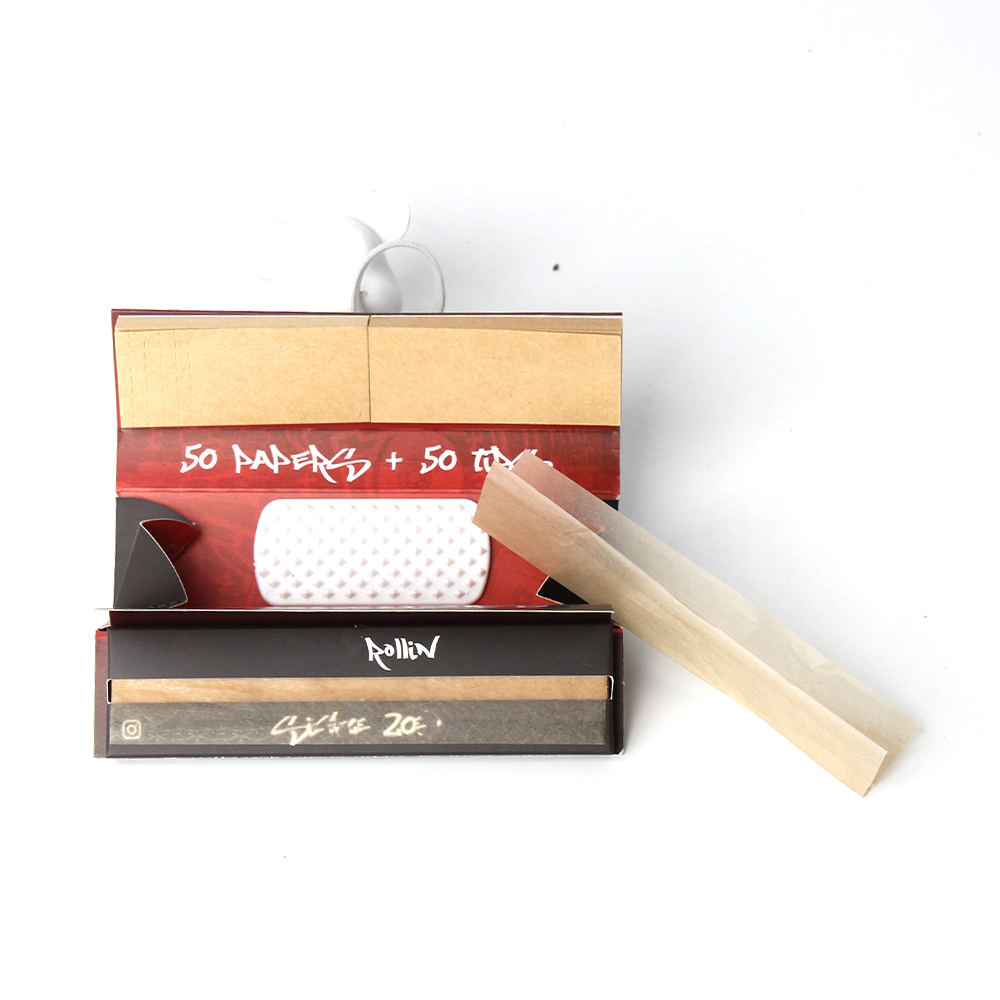
The physical integrity of pre-roll cones depends on multiple interdependent factors that must work together harmoniously. From the composition of cone paper to the machinery settings and environmental conditions in your facility, each element plays a role in determining whether your bulk production maintains structural integrity or experiences preventable failures. This guide explores the primary causes of pre-roll cone tearing and practical solutions to minimize damage during high-volume manufacturing.
The foundation of tear resistance begins with cone paper itself. Quality cone paper must balance thickness, fiber composition, and coating uniformity to withstand the stresses of bulk production. When cone paper lacks proper fiber strength or contains inconsistent density patterns, weak points form that invite tears during filling, rolling, or packing. Standard cone paper typically ranges from 100 to 150 grams per square meter, but this specification means nothing if the material lacks consistent quality throughout each batch.
Inferior cone paper often contains irregular fiber distribution, meaning certain areas are inherently weaker than others. During bulk production, these weak zones become failure points. Additionally, if the cone paper has been stored in high-humidity environments before production, moisture absorption can reduce its structural integrity and increase its susceptibility to tearing. Proper storage conditions and sourcing from reliable suppliers who maintain strict quality control processes are non-negotiable for consistent bulk pre roll cones performance.
The coating applied to cone paper serves multiple purposes: it improves tear resistance, enhances burn characteristics, and provides a smooth rolling surface. However, uneven coating application creates brittleness in some areas while leaving others over-saturated. When coating coverage is inconsistent, some sections of the cone become more prone to tearing under the mechanical stress of bulk production machinery. The adhesive that bonds the paper cone itself can also fail if the coating interferes with proper sealing.
Advanced manufacturers now require cone paper suppliers to provide tear resistance test data before bulk orders are placed. This proactive quality control measure identifies problematic material batches before they reach your production line, preventing widespread failure and financial loss throughout your entire bulk production run.
Bulk production equipment applies precise pressure and temperature to shape, seal, and process pre-roll cones at high speed. When machinery calibration drifts even slightly from optimal settings, tear resistance deteriorates rapidly. Excessive pressure during the cone-forming stage can compress the cone paper beyond its elastic limit, creating micro-fractures that develop into visible tears later in the production cycle. Similarly, inadequate pressure prevents proper sealing at the cone's seam, leaving structural weak points.
Temperature settings also directly affect bulk pre roll cones durability. If heated too high, adhesives become over-activated and create brittle zones where the cone is sealed. If temperatures are too low, the adhesive fails to properly bond, resulting in loose seams that tear under minimal stress. Most modern bulk production facilities use programmable logic controllers to maintain these parameters, but regular calibration verification is essential. Temperature and pressure fluctuations of just five to ten percent can be the difference between excellent tear resistance and widespread failure.
High-speed bulk production introduces mechanical stresses that test the limits of cone paper and adhesive bonding. As conveyor speeds increase and forming spindles rotate faster, the forces exerted on cone paper intensify. If the machinery speed exceeds the material's capacity to deform and recover properly, tears initiate during the forming process itself. Additionally, rapid handling during transfer between production stages can cause impact damage that manifests as tearing later.
Operators managing bulk production must recognize that running machinery at maximum speed without considering material properties will inevitably result in higher tear rates. Strategic speed reduction during problem periods, combined with real-time visual inspection, can prevent catastrophic failure. Some manufacturers implement dual-speed systems that allow slower processing for premium or experimental cone paper while maintaining faster speeds for proven, robust materials.
Environmental conditions in your production facility have profound effects on tear resistance during bulk manufacturing. Low humidity causes cone paper to become brittle and prone to cracking, while excessive moisture makes the paper limp and structurally weak. Most manufacturers operate best within a humidity range of 45 to 55 percent, where cone paper maintains optimal flexibility and strength. When humidity swings beyond this range, even high-quality cone paper experiences reduced tear resistance.
Pre-roll cones stored in the facility before bulk production also absorb moisture from humid air, which can significantly impair their structural integrity. Implementing climate-controlled storage areas with desiccant systems protects expensive cone paper inventory and ensures consistent material quality entering your production line. Temperature stability is equally important, as fluctuations can cause dimensional changes in cone paper that create misalignments during high-speed machinery operation.
Systematic quality control processes directly reduce tear incidents during bulk production. Incoming material inspection should include tear resistance testing on random samples from each supplier batch. During production, real-time monitoring of reject rates helps identify emerging problems before they cause massive losses. Many facilities implement statistical process control methods that track tear incidents over time, revealing patterns that point to specific root causes.
Advanced quality control systems now use optical inspection technology to detect surface defects on cone paper before it enters the forming stage. This prevents obvious problems from creating high-volume tearing incidents. Additionally, maintaining detailed records of tear occurrences—including when they happen, what lot of cone paper was involved, machinery settings at the time, and environmental conditions—creates a database that helps identify causative factors. Manufacturers who embrace comprehensive quality control see dramatic reductions in bulk pre roll cones tearing rates, improved product consistency, and ultimately stronger market reputation.
Most manufacturers find that cone paper in the 120 to 140 gram-per-square-meter range provides optimal balance between structural strength and workability. This thickness delivers adequate tear resistance during high-speed machinery operation while remaining flexible enough for smooth cone forming. However, the absolute best thickness depends on your specific equipment, production speed, and material type. Testing with your equipment using multiple thickness samples helps identify the ideal specification for your bulk pre roll cones operation.
Industry best practices recommend daily calibration verification for pressure and temperature settings, with full recalibration performed weekly or after any significant maintenance. Most modern bulk production equipment allows quick calibration checks using reference materials or digital sensors. When tear rates suddenly increase, recalibration should be the first diagnostic step, as equipment drift is one of the most common causes of unexpected bulk pre roll cones tearing during otherwise normal production runs.
Yes, even small to mid-sized facilities can implement affordable humidity control using commercial dehumidifiers, humidifiers, and inexpensive digital monitors. The investment in climate control equipment typically pays for itself within one to two production cycles by reducing material waste and improving yield rates. Additionally, proper storage containers with desiccant packets protect cone paper inventory between production runs. For facilities running bulk pre roll cones production continuously, HVAC system upgrades that maintain consistent humidity represent the most reliable long-term solution.