EN
EN
what-details-to-prepare-before-requesting-a-custom-preroll-cone-quote, what-details-to-prepare-before-requesting-a-custom-preroll-cone-quote, /news
EN
2026/08/28
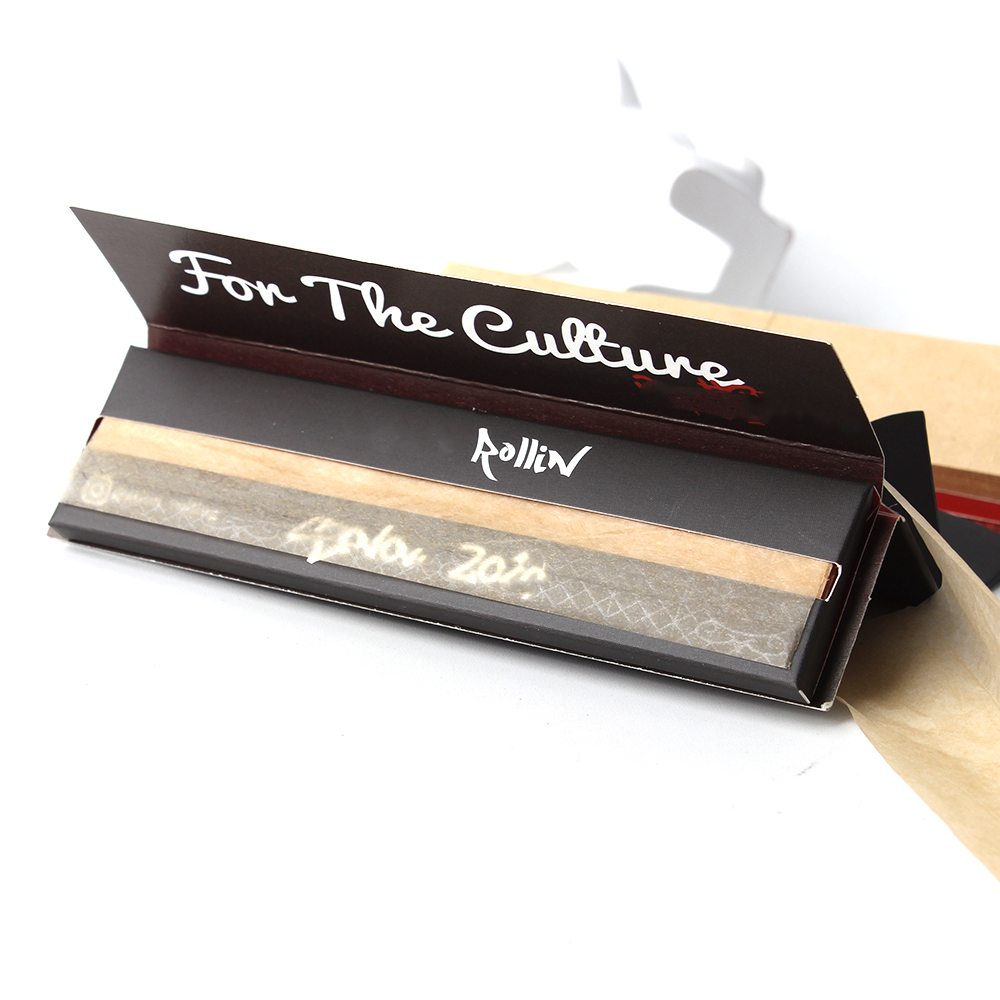
Requesting a quote for custom pre-rolled cones is a critical step in launching or scaling your product line. Whether you're a retailer, distributor, or brand owner, the quality of information you provide to your pre rolled cones factory directly influences the accuracy, speed, and competitiveness of your quotation. Many businesses rush this process and end up with quotes that don't match their actual needs, leading to delays, cost overruns, or products that miss market expectations.
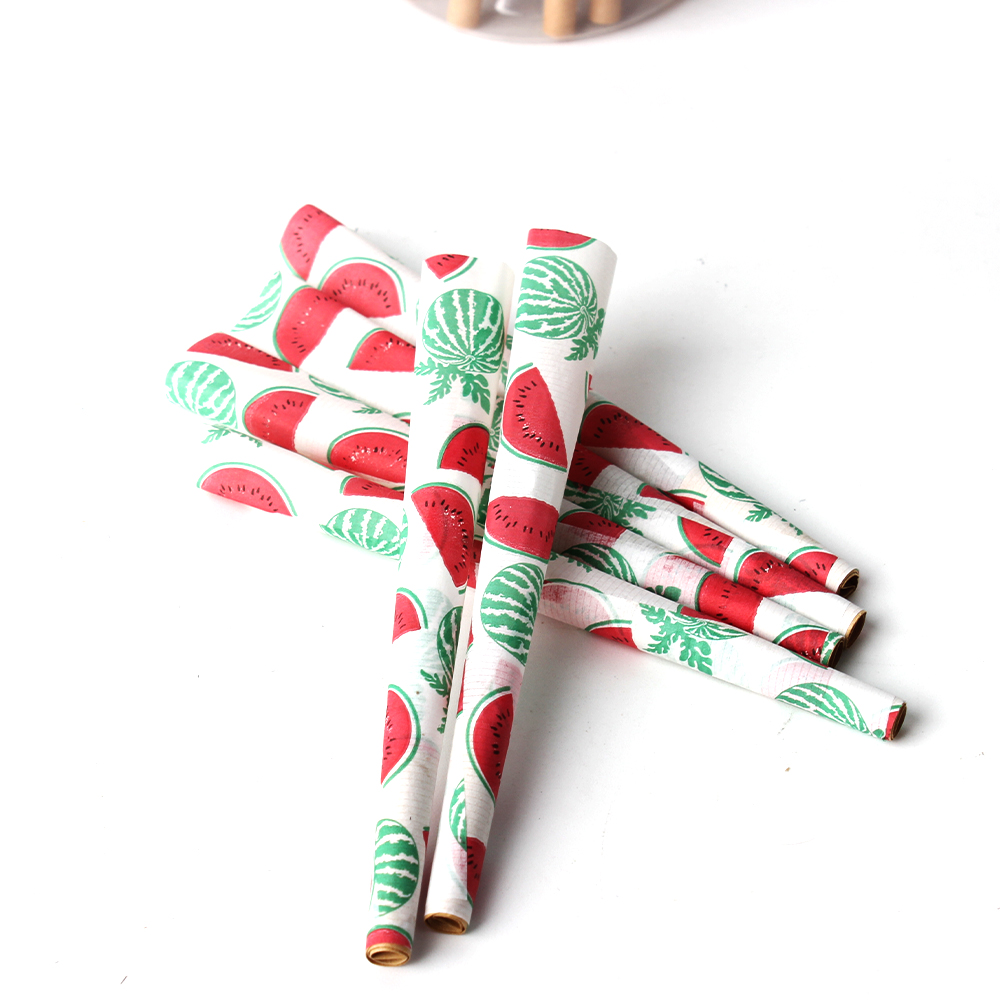
Before you initiate contact with a manufacturer, clear preparation ensures you receive an accurate quotation that reflects your true production requirements, timeline, and budget parameters. Taking time upfront to organize your specifications prevents miscommunication and positions you to compare quotes effectively across different suppliers.
Your custom specs form the foundation of any accurate quotation. Begin by determining the exact cone size you need—diameter, length, and wall thickness all impact production complexity and material cost. Specify whether you want natural, bleached, or specialty paper, as well as any functional requirements like water-resistant barriers or specialized seal properties. A pre rolled cones factory needs to know if your product will include filters, tips, or other integrated components. Document whether you require child-resistant packaging, compliance with specific regional regulations, or particular burn characteristics. These details eliminate guesswork and ensure the manufacturer understands your product positioning within your target market.
Dimension precision matters enormously. Measure your desired cone diameter and length against industry standards, and specify whether you want standard tapered designs or custom contours. If you're requesting custom specs beyond typical offerings, provide CAD drawings or detailed sketches. Clarify functional requirements such as whether cones must include pre-installed filters, spiral rolling patterns, or reinforced seams. Communicate any special features like flavor-infused paper, color gradients, or transparent sections. The more technical detail you provide about your custom specs upfront, the more confidence the pre rolled cones factory can place in their initial quotation.
Artwork requirements often become a source of delays and revisions if not properly prepared. Create your packaging artwork in the correct format—typically CMYK PDF or high-resolution TIFF files at 300 DPI minimum. Include all design elements: brand logo, product information, warning labels, compliance text, and decorative graphics. Before submitting artwork, verify that text is readable at actual print size and that colors reproduce accurately. Ask your pre rolled cones factory about their preferred file specifications, color profile standards, and artwork setup requirements. Providing clean, print-ready artwork eliminates back-and-forth revisions and accelerates the quotation process.
Your artwork must balance brand identity with regulatory compliance. Ensure your custom specs include all mandatory warning labels, ingredient information, and legal text required in your target markets. Many regions mandate specific font sizes, contrast ratios, and placement locations for health warnings. Include these requirements in your artwork specifications from the beginning. If you're unsure about compliance requirements, research local regulations before submitting artwork to the pre rolled cones factory. This proactive approach prevents costly design revisions and ensures your final product meets legal standards without requiring extensive modifications during production.
Pack quantity directly influences unit pricing, so accurate volume estimates are essential. Determine your realistic first-order requirement—whether you need 10,000 units, 50,000 units, or significantly higher volumes. Understand that the pre rolled cones factory typically has minimum order quantities that vary based on customization level. For simple standard products, minimums might be 5,000 or 10,000 units, while highly custom specs may require 25,000 or more. Project your sales timeline and storage capacity to avoid overcommitting resources. Communicate both your immediate requirement and anticipated repeat order volumes—manufacturers often offer tiered pricing for commitments to ongoing business, which can significantly reduce per-unit cost.
When requesting your quotation, specify pack quantity alongside custom specs to receive pricing that reflects your actual needs. Request separate pricing for first production runs versus anticipated repeat orders, as setup costs vary considerably. Ask about pricing tiers—how costs decrease at 10,000, 25,000, 50,000, and 100,000 unit levels. Clarify whether your pack quantity includes allowances for waste, quality control, or reprint contingencies. Establish whether the manufacturer can produce your pack quantity within your required timeline, as expedited production often carries premium charges. By presenting clear pack quantity expectations, you enable the pre rolled cones factory to provide realistic quotation terms aligned with your commercial strategy.
Your anticipated production timeline directly impacts quotation terms and manufacturing feasibility. Specify when you need delivery and work backward to understand required production start dates. Standard lead times for custom pre rolled cones typically range from 30 to 60 days after artwork approval, depending on complexity and pack quantity. If you require faster turnaround, communicate this clearly and expect higher costs for expedited services. Discuss inventory management—whether you want the entire pack quantity shipped at once or staged in multiple deliveries. The pre rolled cones factory uses timeline information to allocate production capacity and determine pricing for your custom specs.
Before committing to full production, request sample production timelines and costs. Quality assurance samples allow you to verify that your custom specs align with actual product reality before authorizing mass production. Ask your manufacturer how many revision rounds are included in pre-production, and clarify costs for additional adjustments. Understand lead time for samples—often 2 to 3 weeks—and incorporate this into your overall project schedule. Discuss inspection protocols and what constitutes acceptable variance in product dimensions, print quality, and material properties. Clear communication about quality expectations prevents costly production mistakes and ensures your final pack quantity meets your brand standards.
Include cone diameter, length, wall thickness, paper type (natural, bleached, or specialty), filter presence, and any regulatory compliance requirements. Specify functional features like burn characteristics, water resistance, or integrated components. The more detailed your custom specs, the more accurate the quotation from your pre rolled cones factory.
Create print-ready artwork in CMYK PDF or high-resolution TIFF format at 300 DPI minimum. Include all design elements, warning labels, and compliance text. Verify readability at actual print size and confirm color accuracy. Ask your pre rolled cones factory about their specific artwork requirements before submission to ensure compliance with their production standards.
Base pack quantity on realistic sales projections and available storage capacity. Minimum order quantities vary by manufacturer complexity, typically ranging from 5,000 to 25,000 units. Request tiered pricing for different volume levels and communicate both immediate requirements and anticipated repeat order volumes to maximize cost efficiency.