EN
EN

what-determines-the-ash-color-and-residue-quality-of-rolling-paper-booklets, what-determines-the-ash-color-and-residue-quality-of-rolling-paper-booklets, /news
EN
2026/08/12
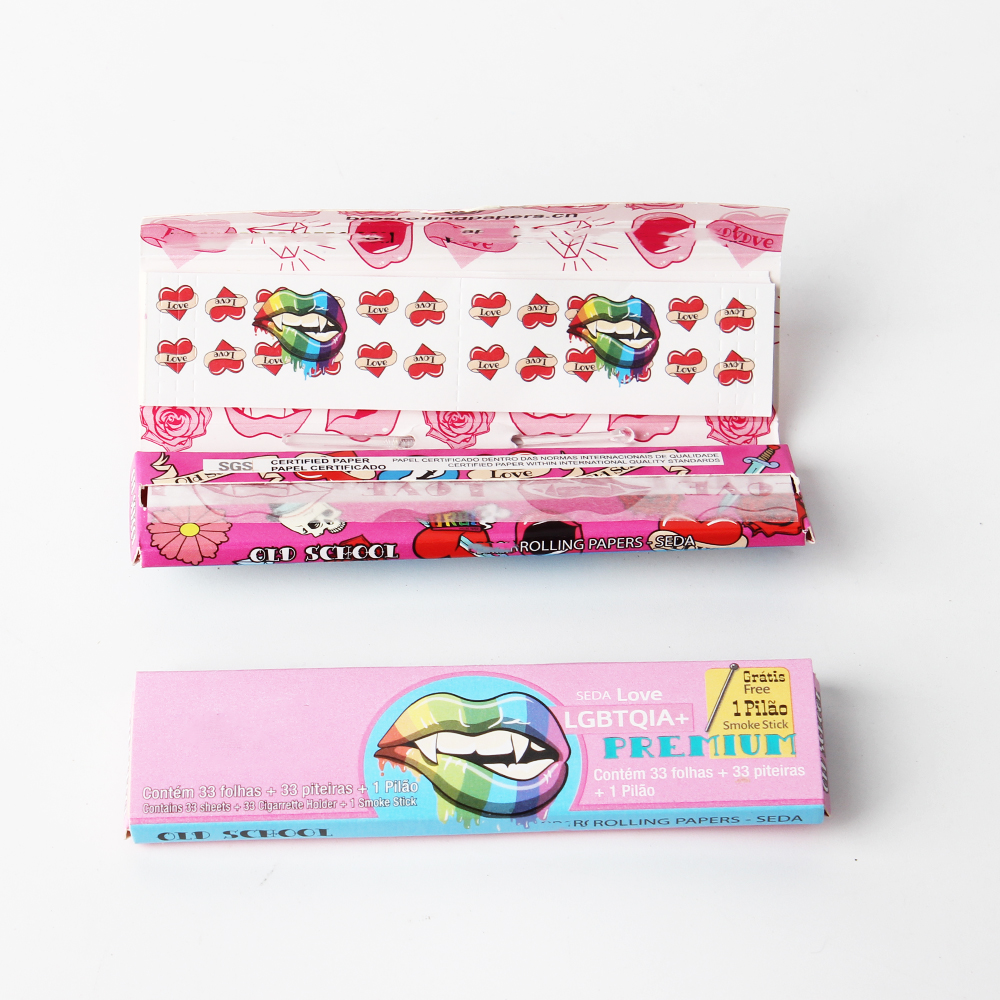
The quality of your smoking experience depends significantly on the materials you use, and rolling paper booklets play a central role in determining both combustion performance and residue characteristics. When you light a cigarette or herbal blend, the ash color and residue quality reflect the underlying composition and manufacturing process of the paper itself. Understanding what drives these outcomes helps consumers make informed choices about their rolling papers and anticipate the smoking experience they will receive.
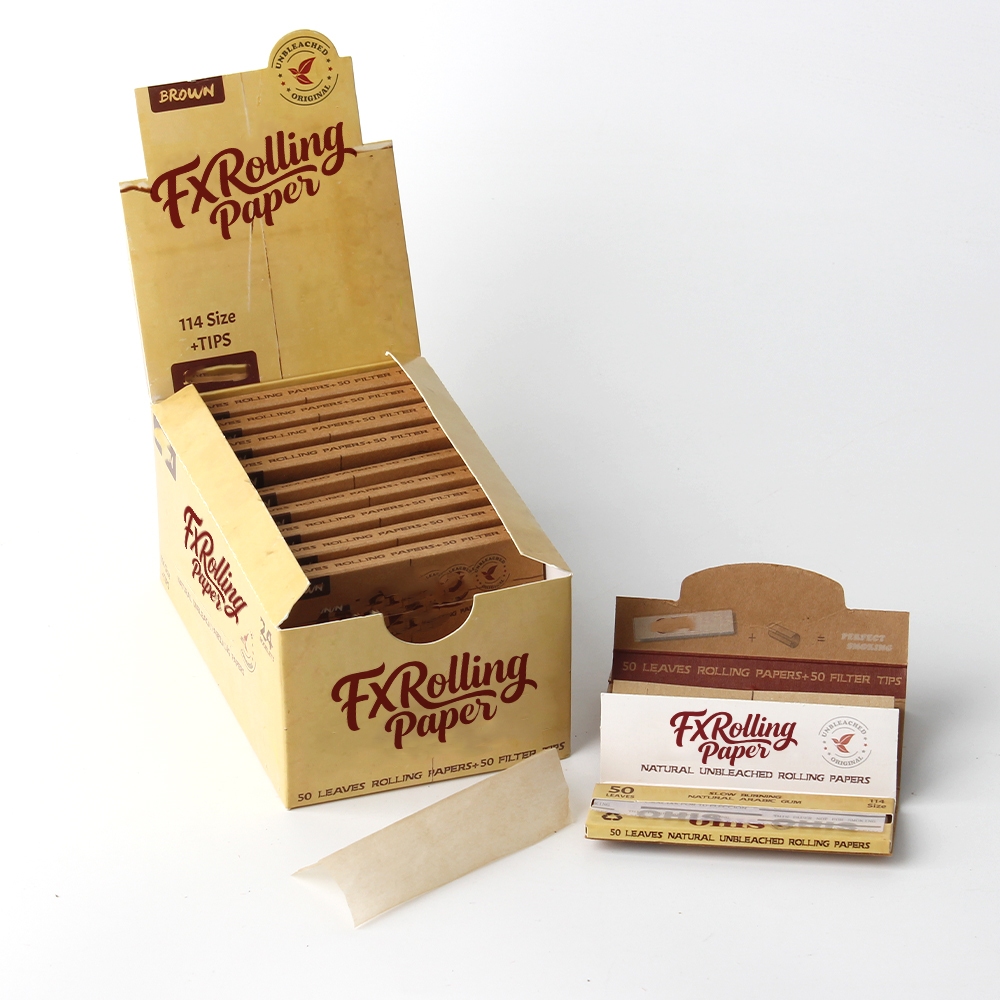
The appearance and behavior of ash residue are not random occurrences but rather direct consequences of how rolling paper booklets are manufactured, what fibers they contain, and how those materials respond to heat. Premium rolling papers are formulated to minimize unwanted additives, reduce ash production, and ensure even, clean burn characteristics. This article explores the specific factors that influence ash color, residue quality, and overall combustion performance in rolling paper booklets.
The foundation of ash color and residue quality begins with the fiber source used in rolling paper booklets. Most commercial rolling papers are made from plant-based fibers such as wood pulp, flax, hemp, or rice straw. Each fiber type burns at different temperatures and leaves behind ash with distinct characteristics. Wood pulp-based papers typically produce white or light gray ash, while specialty fibers like rice or sugarcane bagasse may yield whiter, cleaner residue due to lower mineral content and reduced inorganic impurities.
The processing methods applied to these raw materials significantly affect ash residue composition. Papers manufactured using chlorine-free bleaching processes generally produce lighter, whiter ash compared to those treated with chlorine compounds, which can introduce chemical residues that darken the final ash color. Manufacturers of premium rolling paper booklets invest in refined pulping and cleaning processes to remove lignin, metals, and other contaminants that would otherwise accumulate in the ash.
Ash color is fundamentally determined by the mineral and inorganic content present in the paper fibers. Rolling paper booklets with high calcium carbonate or other mineral additives typically produce whiter ash because calcium carbonate leaves white residue when burned. Conversely, papers containing iron oxides, silicates, or other metallic compounds produce darker, grayer, or yellowish ash. The mineral profile of the paper directly correlates to paper combustion characteristics and residue appearance.
Clean burn paper achieves its superior ash quality partly through stringent mineral control during manufacturing. By minimizing iron, copper, and other metallic impurities while maintaining stable levels of beneficial minerals like calcium, manufacturers ensure that the resulting ash residue is light in color, consistent in texture, and free from heavy-metal contamination. This mineral balance is critical for rolling paper booklets designed to meet premium standards.
Rolling paper booklets undergo various treatment processes, including sizing, coating, and the addition of burn-rate modifiers, which directly influence ash color and combustion quality. Sizing agents, typically starch-based or synthetic polymers, burn cleanly and contribute minimally to ash discoloration when formulated properly. However, low-quality additives or excessive sizing can trap minerals and increase ash production, resulting in darker or more abundant residue.
Gum adhesives used along the edge of rolling paper booklets also affect ash characteristics. Natural gum arabic produces clean, white ash when burned, whereas synthetic adhesives or those containing heavy metallic binders can produce gray or black ash. Premium clean burn paper relies on food-grade gum arabic or plant-based adhesives that combust completely without leaving visible residue or discoloration.
The bleaching and whitening process used during rolling paper booklet manufacturing is one of the most direct determinants of final ash color. Papers bleached using elemental chlorine produce ash with greenish or yellowish tints due to residual chlorine compounds. Papers treated with chlorine dioxide or oxygen-based bleaching agents yield whiter, purer ash. Manufacturers focused on paper combustion quality typically employ ECF (elemental chlorine-free) or TCF (totally chlorine-free) processes to ensure minimal chemical residue in the final ash.
Surface coatings and finishes applied to rolling paper booklets can also influence ash behavior. Thin, breathable coatings that promote even burn rates typically produce consistent ash quality, while heavier coatings may cause uneven combustion and create darker ash pockets. The interaction between coating composition and fiber structure determines whether the paper will produce uniform light ash or variable, darker residue.
The combustion behavior of rolling paper booklets directly affects not only the color but also the texture and consistency of ash residue. Papers engineered for even burn rates create uniform ash because the material combusts at a stable temperature, allowing minerals to oxidize completely without forming darker compounds. Clean burn paper achieves this through balanced basis weight, consistent fiber distribution, and proper moisture content. Uneven burning causes some areas to combust at higher temperatures, which can darken ash or create brittle, crumbly residue.
The porosity of rolling paper booklets plays a critical role in determining ash quality and paper combustion speed. Highly porous papers allow oxygen to penetrate evenly, supporting complete combustion and producing lighter, fluffier ash. Dense papers with poor porosity may create incomplete combustion zones that trap minerals and produce darker, more compact ash residue. Premium manufacturers optimize porosity through carefully controlled pressing and calendering processes.
The moisture content of rolling paper booklets at the time of use significantly impacts ash color and combustion characteristics. Papers stored at optimal humidity levels (typically 10–12%) burn more evenly and produce whiter, more consistent ash. Overly dry papers may burn too quickly and unevenly, while papers exposed to excessive moisture may develop mold or bacterial growth that creates darker, discolored ash. Proper storage in sealed booklets protects the paper's combustion properties and ensures reliable ash quality throughout the product's shelf life.
Gray or black ash typically results from incomplete combustion, high mineral content, low-quality additives, or chemical residues in the paper. If rolling paper booklets contain iron oxides, copper compounds, or excessive synthetic binders, these materials will oxidize into darker compounds during burning. Uneven burn rates and improper moisture levels can also cause darker ash by creating zones of incomplete combustion.
Clean burn paper is specifically formulated to minimize mineral impurities, use food-grade adhesives, and employ chlorine-free bleaching processes. These refinements result in whiter, lighter ash that burns more completely with less residue. Standard rolling paper booklets may contain higher levels of minerals, synthetic binders, and chemical treatments that produce darker, grittier ash with more overall residue accumulation.
Higher combustion temperatures can oxidize minerals more completely, which typically lightens ash color, but excessively hot burning may also cause incomplete combustion in certain paper areas, darkening localized ash. Rolling paper booklets engineered for consistent, moderate burn temperatures produce the most uniform and lightest ash because they allow minerals to oxidize at optimal rates without creating thermal stress or combustion irregularities.