EN
EN
what-makes-a-preroll-cone-manufacturer-suitable-for-large-orders, what-makes-a-preroll-cone-manufacturer-suitable-for-large-orders, /news
EN
2026/09/11
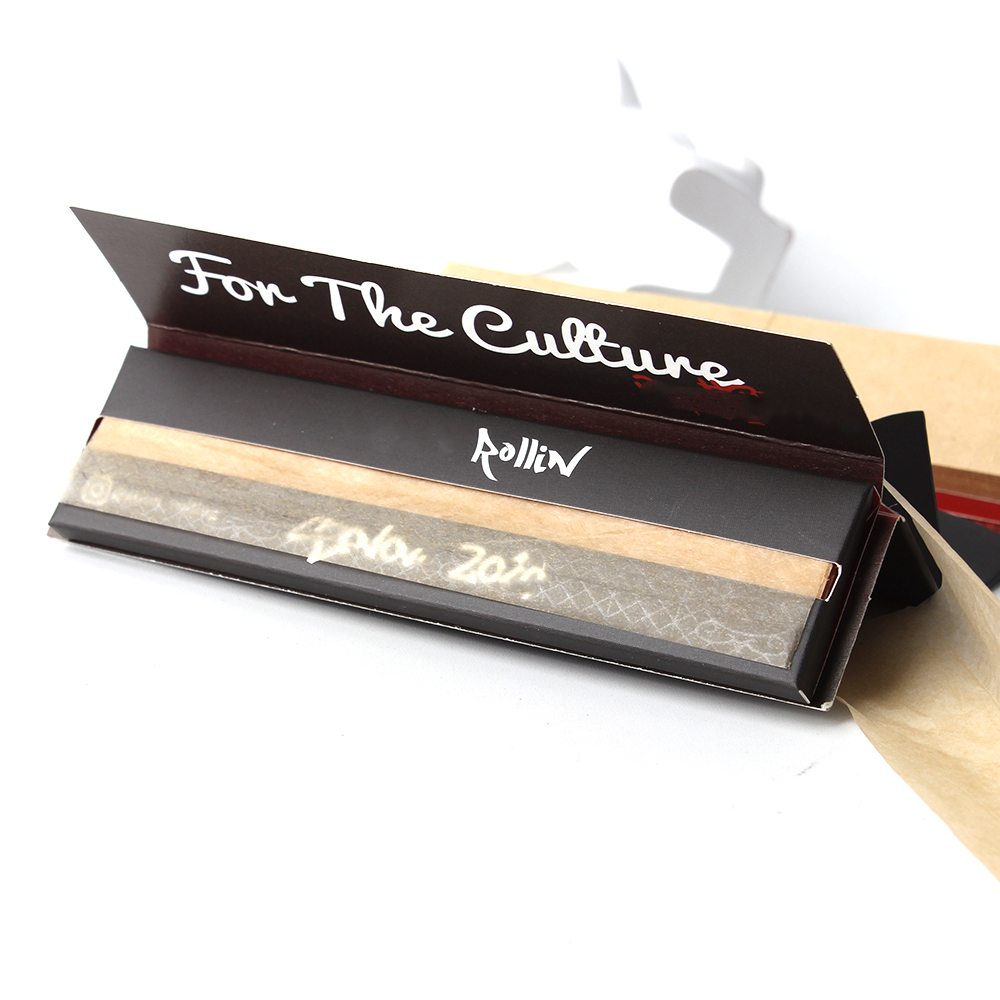
Selecting the right pre rolled cones factory for large orders requires careful evaluation of multiple critical factors. A manufacturer that can reliably handle substantial volume commitments while maintaining consistency and quality becomes essential when your business demands scale. The difference between a factory that can merely produce pre rolled cones and one built to support large orders spans infrastructure, expertise, and operational discipline.
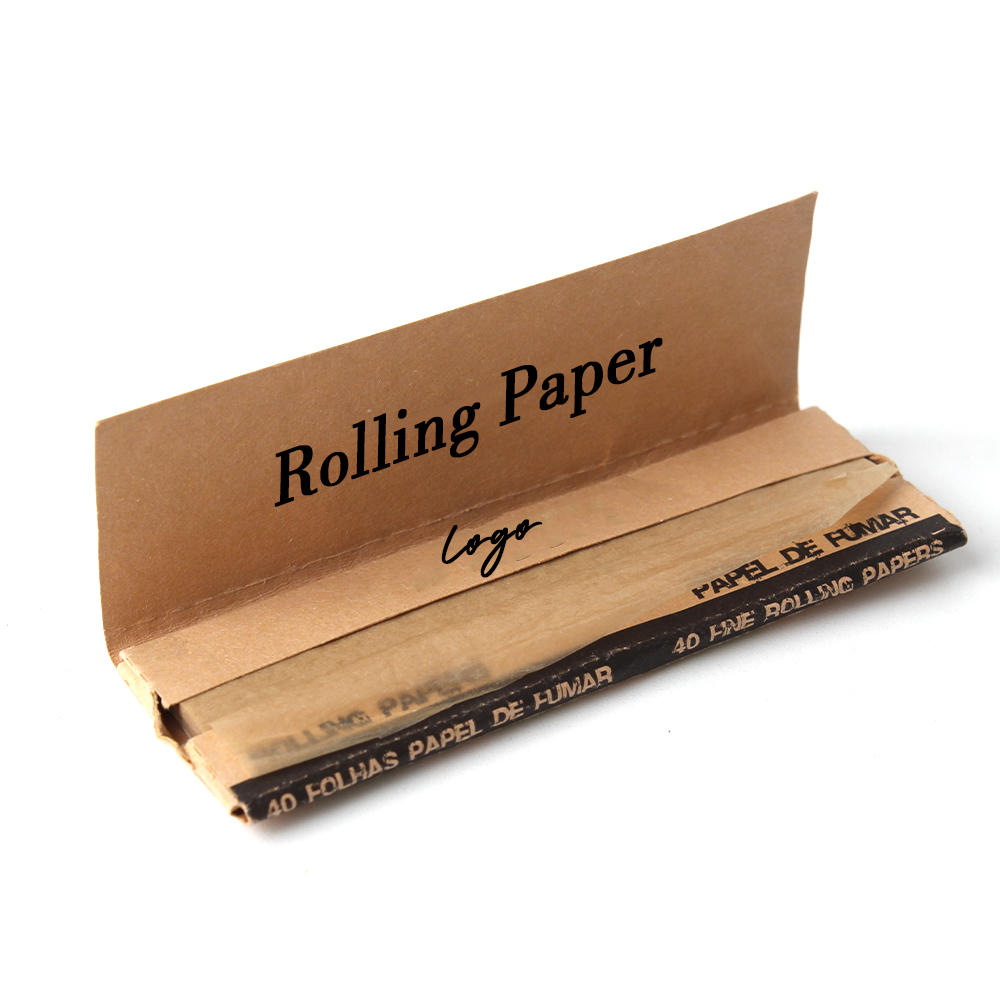
Large orders expose every weakness in a manufacturing operation. A factory that stumbles on quality control, production capacity, or factory sourcing logistics under normal circumstances will fail catastrophically when volume spikes. Understanding what separates suitable manufacturers from unsuitable ones protects your supply chain and protects your brand reputation. This guide walks through the essential criteria that distinguish manufacturers truly equipped to handle large orders from those that merely claim they can.
Production capacity represents far more than a stated number on a factory website. A pre rolled cones factory must possess the physical machinery, floor space, skilled labor, and material supply chains to sustain output at your required volume without strain. Many factories inflate capacity claims because they conflate theoretical maximum output with realistic, sustainable production. True capacity means consistent output week after week while maintaining quality, not a one-time sprint that exhausts equipment and staff.
When evaluating large orders potential, ask the factory to document their actual peak production over the past twelve months. Request evidence of sustained output at your proposed volume across multiple production runs. A factory claiming capacity of ten million units annually but only having produced three million historically raises immediate red flags. Capacity verification protects you from delays, partial shipments, or rushed quality shortcuts that emerge when a factory overextends beyond their realistic capability.
The equipment a pre rolled cones factory operates directly determines production speed, consistency, and resilience. Modern automated machinery produces pre rolled cones at higher speeds with tighter tolerances than manual or semi-automated systems. Equally important, equipment redundancy ensures that a single machine failure does not halt your entire order. A suitable factory maintains backup equipment or parallel production lines so that large orders continue moving even when maintenance occurs.
Outdated equipment often signals a factory operating on thin margins, unlikely to invest in upgrades necessary for large orders. Equipment age also correlates with higher defect rates and longer production times. When assessing factory sourcing options, request specifications on their production machinery, installation dates, and maintenance schedules. Factories with recent capital investments demonstrate commitment to meeting demanding large orders from customers expecting rapid turnaround and high consistency.
Quality control emerges as the most visible weakness when factories fail on large orders. A pre rolled cones factory handling massive volume must institutionalize quality assurance through documented procedures, not rely on individual worker attention. Suitable manufacturers operate statistical process control systems that monitor output continuously, catch deviations early, and trigger corrective actions before bad product reaches packaging.
Demand that any potential factory supply large orders only after they provide detailed documentation of their quality control protocols. Look for specific information on sampling frequency, defect thresholds, testing equipment, and inspection staff training. Third-party certifications such as ISO 9001 indicate that a factory maintains discipline around quality systems. When a factory resists transparency about their quality control methods, assume they lack rigorous systems and decline the business relationship.
Large orders typically move through production in multiple batches over weeks or months. A factory must maintain batch-level traceability so that if a quality issue emerges, they can identify exactly which production runs are affected and isolate the problem root cause. Pre rolled cones factory operations that comingle batches lose this critical visibility and become unable to execute targeted recalls or corrections.
Suitable manufacturers track material lots, production dates, equipment used, operators involved, and quality test results for each batch. This traceability architecture becomes especially important when fulfilling large orders because supply chain partners downstream depend on knowing exactly what they received. A factory that cannot trace a quality issue back to specific equipment, materials, or production shifts proves unsuitable for commitments requiring documentation and accountability for large orders.
Raw material availability often determines whether a pre rolled cones factory can actually fulfill large orders on time. Factory sourcing strategies that depend on just-in-time delivery from distant suppliers introduce unnecessary risk. A suitable manufacturer maintains strategic inventory of key materials or maintains contractual relationships with multiple suppliers to guarantee uninterrupted material flow even when disruptions occur.
Before committing to large orders, verify that the factory has mapped their complete supply chain and identified potential bottlenecks. Ask which critical materials they source, from how many suppliers, and what inventory buffers they maintain. Factories that source primary materials from single suppliers in politically unstable regions or distant ports expose your large orders to uncontrolled delays. Factory sourcing resilience directly translates to your ability to meet downstream customer commitments.
Large orders demand predictable lead times because your customers build their own schedules around your promised delivery dates. A pre rolled cones factory must provide realistic lead time estimates and maintain communication discipline throughout production. This requires production planning software that tracks orders through each stage, identifies constraints early, and alerts stakeholders to changes before they become crises.
Suitable factories assign dedicated account management for large orders rather than treating them as interchangeable transactions in a general production queue. This dedicated support means you have a single contact who understands your order details, proactively communicates status, and escalates issues immediately when they arise. When evaluating factory sourcing partners, assess how they plan to communicate with you throughout fulfillment. Factories lacking formal communication protocols or dedicated order management typically fail on large orders simply through miscommunication and lost visibility.
Large orders require financial commitments from both parties. A pre rolled cones factory must remain financially healthy throughout the production period, otherwise they risk cutting corners on materials or labor to preserve cash flow. Assess the factory's willingness to discuss payment structures and understand any prerequisites they require before beginning production.
Factories in financial distress often refuse partial payment arrangements or demand full prepayment, signaling that they lack working capital to fund production themselves. Such factories expose your large orders to significant risk because financial desperation frequently leads to quality compromises or abandoned contracts. Suitable manufacturers operate with sufficient working capital that they can begin production promptly and carry material costs through completion without demanding unusual payment terms.
Large orders require written contracts that clearly specify volume, delivery schedule, quality standards, pricing, and dispute resolution procedures. A factory unwilling to execute detailed contracts or insisting on vague terms demonstrates immaturity and risk. Suitable manufacturers embrace contractual clarity because well-defined agreements reduce misunderstandings and protect both parties.
Ensure contracts include force majeure clauses that address genuine emergencies while protecting you from excuses disguised as unavoidable circumstances. Include penalty provisions for late delivery and quality failures so the factory faces real consequences if they underperform. A pre rolled cones factory that accepts these terms demonstrates confidence in their ability to fulfill large orders. Factories that resist protective clauses likely know they cannot guarantee performance consistently.
A factory should demonstrate sustained historical production at or above your required volume for at least six months prior to your engagement. They should provide documentation of peak monthly output, current equipment utilization rates, and plans for scaling if your large orders exceed current capacity. Capacity should be verified through third-party audits or customer references rather than accepted on the factory's word alone.
Request detailed documentation of quality control procedures including sampling plans, testing frequency, equipment specifications, and staff training records. Conduct an on-site factory audit to observe actual quality assurance procedures in operation. Request samples produced under your exact specifications and submit them to independent testing to verify the factory can meet your standards consistently at volume.
Red flags include dependence on single suppliers for critical materials, lack of strategic inventory buffers, absent or vague communication structures for large orders, unwillingness to provide detailed contracts, demands for full prepayment, and reluctance to discuss production lead times candidly. Factories avoiding transparency about their supply chain, quality systems, or capacity typically cannot reliably fulfill large orders.