EN
EN

EN
2026/08/31
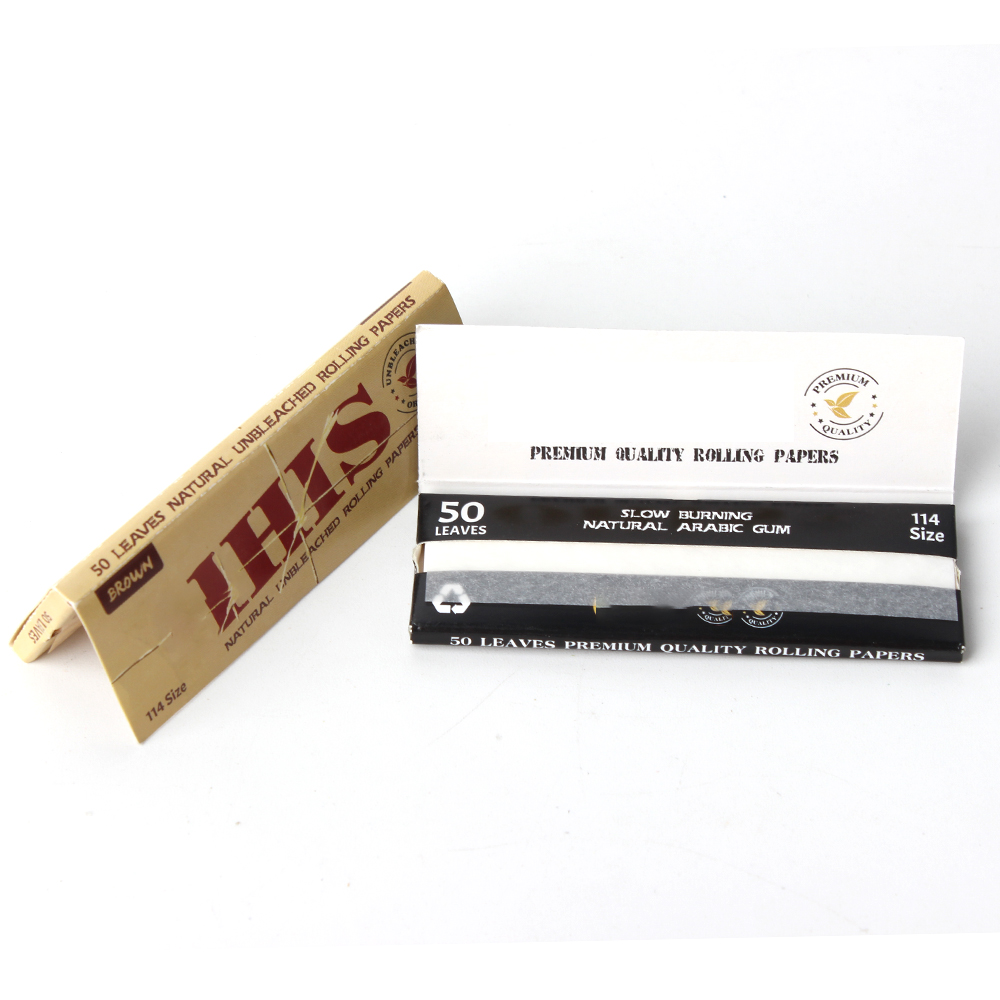
Selecting the right custom filter tips wholesale supplier is one of the most critical decisions a distributor or manufacturer can make. Your supplier directly impacts product quality, delivery timelines, cost efficiency, and ultimately your market reputation. A reliable partner ensures consistent output, meets compliance standards, and scales with your business growth. Understanding what distinguishes trustworthy suppliers from unreliable ones will help you build a sustainable supply chain that supports long-term success.
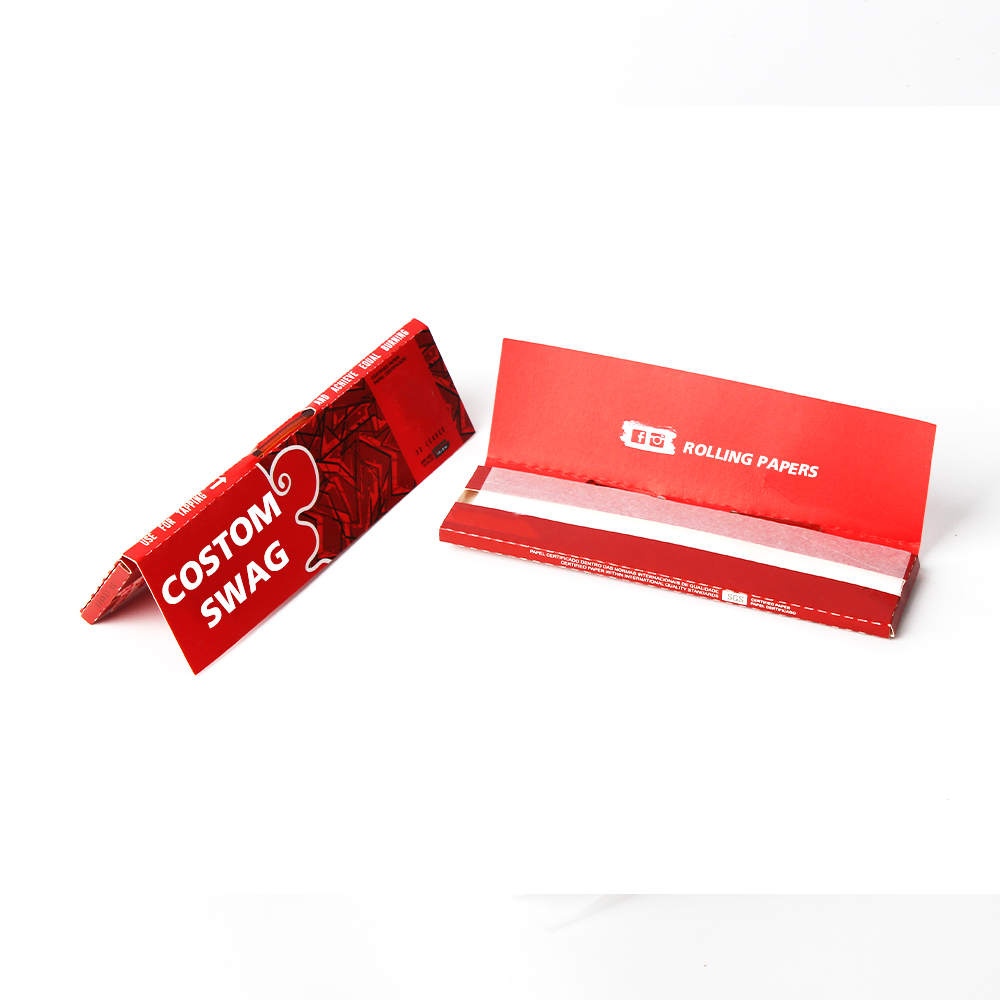
The industrial landscape for custom tips production has become increasingly competitive, with many suppliers claiming quality and reliability without delivering on those promises. Buyer due diligence now requires deeper investigation into supplier reliability factors, operational transparency, and certifications. This article explores the key attributes that define a trustworthy custom tips supplier and provides practical guidance for evaluating potential partners.
A reliable supplier maintains clear visibility into production capacity and can articulate realistic lead times based on order volume. Supplier reliability begins with honest communication about manufacturing limitations, peak seasons, and delivery schedules. Reputable firms document their production capacity in writing and adjust timelines based on actual workload rather than overpromising and underdelivering.
Production capacity determines whether a supplier can scale with your growth or becomes a bottleneck. Ask potential suppliers for capacity documentation, current utilization rates, and their roadmap for expansion. Supplier reliability means they won't accept orders they cannot fulfill on schedule, protecting your business relationships and market reputation.
Leading suppliers hold relevant certifications such as ISO 9001, ISO 13485, or industry-specific quality approvals. These certifications demonstrate a formal commitment to quality systems and continuous improvement. Supplier reliability is reinforced by third-party audits and documented adherence to international standards that govern manufacturing processes and safety protocols.
Request copies of current certifications and verification through official databases. Supplier reliability also includes compliance with local regulations regarding materials, emissions, and workplace safety. Suppliers who maintain these standards typically have better organizational discipline and fewer production disruptions.
Quality control forms the backbone of any reliable custom tips manufacturing operation. Systematic inspection at multiple production stages—raw material intake, intermediate processing, and final assembly—prevents defects from reaching customers. Custom tips require tight tolerances for diameter, length, filter density, and adhesive performance, making consistent quality control non-negotiable.
Leading suppliers implement statistical process control, first-article inspection reports, and lot traceability systems. Quality control documentation should be available for review and demonstrate defect rates well below industry averages. Custom tips suppliers who invest in automated vision systems and moisture-controlled environments show commitment to eliminating variables that compromise product consistency.
Quality control begins upstream with material sourcing. Reliable suppliers vet raw material vendors, maintain supplier scorecards, and conduct incoming inspections on all materials. Custom tips performance depends on paper quality, adhesive formulation, and filter media consistency, all of which originate from approved material sources.
Ask suppliers about their material qualification process, shelf-life management, and traceability systems. Quality control records should link finished products to specific material lots, enabling rapid response if issues arise. Supplier reliability extends to proactive communication when material shortages or quality issues emerge in their supply chain.
As your business grows, your custom tips supplier must scale alongside you without sacrificing quality. Production capacity planning should accommodate seasonal demand spikes, new product introductions, and long-term volume growth. Reliable suppliers maintain capacity reserves and have documented plans for equipment upgrades and workforce expansion.
Discuss production capacity roadmaps with potential suppliers and verify their investment in new machinery and technology. Production capacity constraints often become visible only after commitment, creating supply disruptions when demand accelerates. Transparent suppliers share capacity forecasts and discuss how they'll handle your anticipated volume increases over the next three to five years.
Supplier reliability includes responsiveness to technical requests, custom specifications, and problem-solving collaboration. Reliable partners maintain technical documentation on their products, understand your application requirements, and provide samples for evaluation before full production commitments. Custom tips often require specification adjustments based on market feedback, equipment compatibility, or regulatory changes.
A trustworthy supplier allocates resources to technical support, maintains engineering staff familiar with your products, and documents all modifications to original specifications. Long-term partnerships thrive when suppliers treat customer requests as opportunities to strengthen relationships rather than obstacles. Production capacity and technical flexibility together create a supplier reliability profile that supports mutual growth.
Reliable suppliers should maintain ISO 9001 certification at minimum, demonstrating formal quality management systems. Many also pursue ISO 13485 if serving regulated industries, or tobacco and consumer product certifications specific to your market. Certifications validate supplier reliability through independent audits and adherence to documented processes that minimize defects and ensure consistent output across production batches.
Request written documentation of current equipment, workforce size, and estimated monthly production output for your specific product. Visit the facility if possible to observe operations firsthand and confirm capacity claims. Supplier reliability can be further verified by contacting existing customers and requesting production schedules or forecasts that demonstrate realistic planning aligned with your anticipated volume needs.
Warning signs include unwillingness to provide certifications, inability to articulate quality control procedures, vague promises on lead times, and reluctance to share references from current customers. Supplier reliability is compromised when pricing seems unrealistically low, samples show inconsistent quality, or communication is delayed and unresponsive. Avoid suppliers who pressure you to commit without transparent discussions about specifications, timelines, and production capacity limitations.