EN
EN

what-storage-conditions-help-preserve-rolling-tip-shape, what-storage-conditions-help-preserve-rolling-tip-shape, /news
EN
2026/09/03
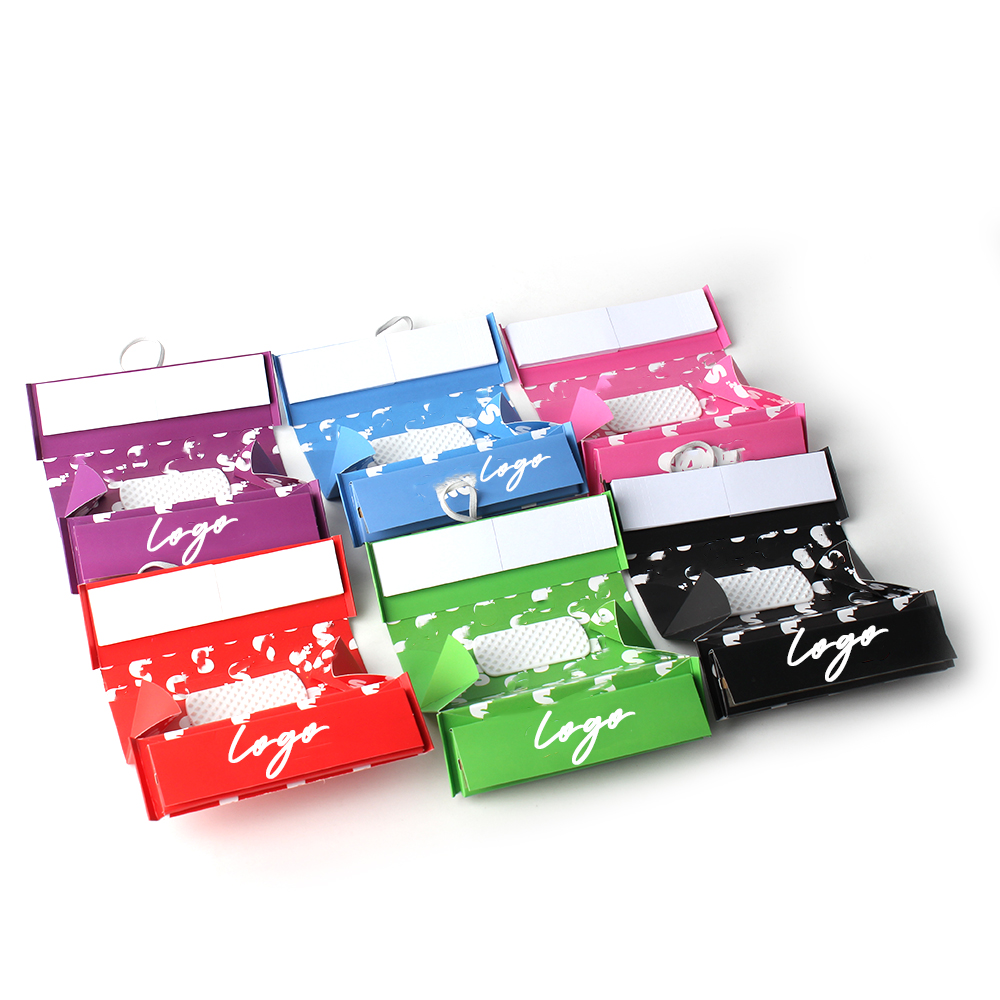
Pre rolled tips represent a significant investment for rolling enthusiasts and commercial operations alike. Whether you maintain a personal collection or manage bulk inventory, understanding how to preserve the structural integrity and usability of your pre rolled tips directly impacts product quality, customer satisfaction, and operational efficiency. The condition in which you store your pre rolled tips determines whether they remain perfectly formed or deteriorate into unusable materials.
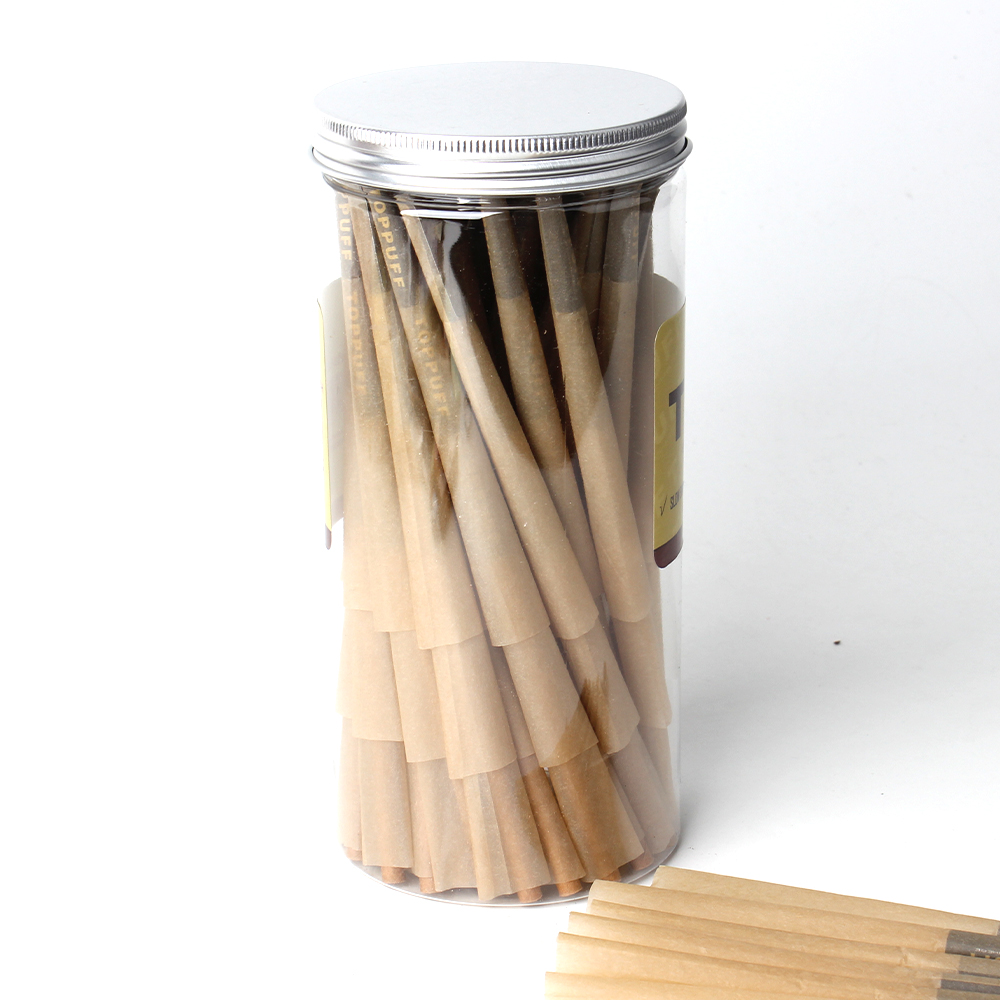
The science of tip preservation involves multiple interconnected factors. Temperature fluctuations, moisture exposure, light degradation, and physical pressure all compromise the delicate shape stability that makes premium pre rolled tips valuable. This article explores the essential storage strategies that protect your inventory and ensure consistent product performance.
Temperature stability forms the foundation of effective tip storage. Pre rolled tips contain cellulose and paper materials that respond to thermal stress by warping, cracking, or becoming brittle. The ideal storage temperature ranges between 60 and 75 degrees Fahrenheit, which prevents material degradation while maintaining structural integrity. Avoid storing tips in areas subject to direct sunlight, heating vents, or air conditioning units that create temperature swings.
Fluctuating temperatures cause materials to expand and contract, leading to permanent shape distortion. A consistent climate prevents this molecular stress and preserves the precision of the rolled form. For bulk inventory operations, investing in climate-controlled storage facilities becomes a cost-effective approach to maintaining product quality across thousands of units.
Humidity control represents perhaps the most crucial element of successful tip storage. Excessive moisture causes paper fibers to swell, warping the carefully constructed shape and creating weakness along seams. Conversely, extremely dry air makes paper brittle and prone to cracking when handled. The optimal humidity level for tip storage ranges between 40 and 60 percent relative humidity, which preserves paper flexibility while preventing moisture infiltration.
Moisture-sensitive environments like basements and bathrooms create hostile conditions for shape stability. Instead, select storage areas with consistent humidity levels. Silica gel packets or small dehumidifiers placed within storage containers help regulate moisture content around individual batches. For larger bulk inventory operations, commercial humidity monitoring systems provide continuous data tracking and automated environmental adjustments.
The container itself directly influences how well your pre rolled tips maintain their intended form. Airtight plastic containers with sealed lids create a controlled microclimate that resists external humidity and temperature changes. Glass jars work similarly well when sealed properly, though they require protection from light exposure. Avoid cardboard boxes in damp environments, as they absorb moisture and transfer it to stored materials, compromising shape stability across your entire collection.
For tip storage within commercial operations, food-grade storage vessels designed for long-term product preservation provide optimal protection. These containers feature gasket seals, UV-blocking properties, and materials that do not interact with stored contents. Opaque materials prevent light degradation, a factor often overlooked but significant for preserving color and structural properties over extended periods.
Proper organization protects shape stability while maintaining operational efficiency. Store pre rolled tips vertically rather than horizontally when possible, as this positioning reduces pressure points that cause permanent deformation. Label containers with contents, date received, and storage conditions to enable quality rotation and inventory tracking. Separating different product batches prevents cross-contamination and allows isolated monitoring of particular shipments.
Within each storage container, use acid-free dividers or custom-fitted inserts to prevent tips from shifting or crushing against one another. This internal organization becomes increasingly important as bulk inventory quantities expand. When tips remain stationary and properly supported, shape stability persists unchanged throughout the storage period, ensuring consistent product quality from first item to last.
Light exposure accelerates material degradation through a process called photo-oxidation, which weakens paper fibers and alters product appearance. UV light penetrates clear containers and causes yellowing, brittleness, and eventual structural compromise. Store pre rolled tips in opaque, UV-blocking containers kept away from windows, overhead lights, and direct sunlight. This simple precaution dramatically extends the usable lifespan of stored materials, particularly for businesses maintaining long-term bulk inventory.
Oxygen itself contributes to oxidative degradation, though this process occurs slowly under proper humidity and temperature conditions. Vacuum-sealed storage options provide enhanced protection for premium products or high-value collections where maximum preservation matters. Commercial operations sometimes employ nitrogen-flushed packaging to displace oxygen entirely, creating an inert storage environment that extends product longevity indefinitely.
Even with optimal conditions, periodic inspection ensures early detection of unexpected quality issues. Monthly checks of sample units from stored batches reveal whether storage parameters remain effective or require adjustment. Look for signs of warping, moisture intrusion, color changes, or structural weakness. For bulk inventory, implement a first-in, first-out rotation system that maintains product freshness and prevents long-term stagnation.
Maintain detailed records of storage conditions, inspections, and any observed changes. This documentation helps identify patterns and optimize your storage approach over time. If particular environmental factors repeatedly compromise shape stability, adjust temperature controls, add moisture management systems, or relocate storage to more suitable facilities. Data-driven adjustments transform tip storage from guesswork into a systematized process that consistently preserves product quality.
When humidity control, temperature stability, and light protection remain consistently optimized, quality pre rolled tips retain their shape indefinitely. Most commercial operations see minimal deterioration over 12 to 18 months of storage under these conditions. Beyond two years, subtle changes may emerge depending on material composition and environmental exposure, but proper tip storage easily supports long-term bulk inventory retention without shape compromise.
Standard plastic bags provide minimal protection against humidity fluctuations and temperature changes, making them unsuitable even for short-term storage of valuable pre rolled tips. Thin plastic allows moisture penetration and permits environmental exchange that compromises shape stability. For any storage period exceeding a few days, upgrade to airtight containers with proper seals. This modest investment in appropriate storage materials prevents product loss and maintains consistent quality across your collection.
Humidity levels exceeding 70 percent represent the critical threshold where rapid deterioration occurs. At these moisture levels, paper fibers absorb excess water and swell noticeably, causing permanent warping and shape instability. Similarly, humidity below 30 percent creates brittleness and cracking. The sweet spot between 40 and 60 percent relative humidity balances paper flexibility with moisture resistance, providing optimal conditions for maintaining the structural integrity of your tip storage investment.