EN
EN

what-to-ask-a-supplier-about-unbleached-filter-tip-materials, what-to-ask-a-supplier-about-unbleached-filter-tip-materials, /news
EN
2026/08/19
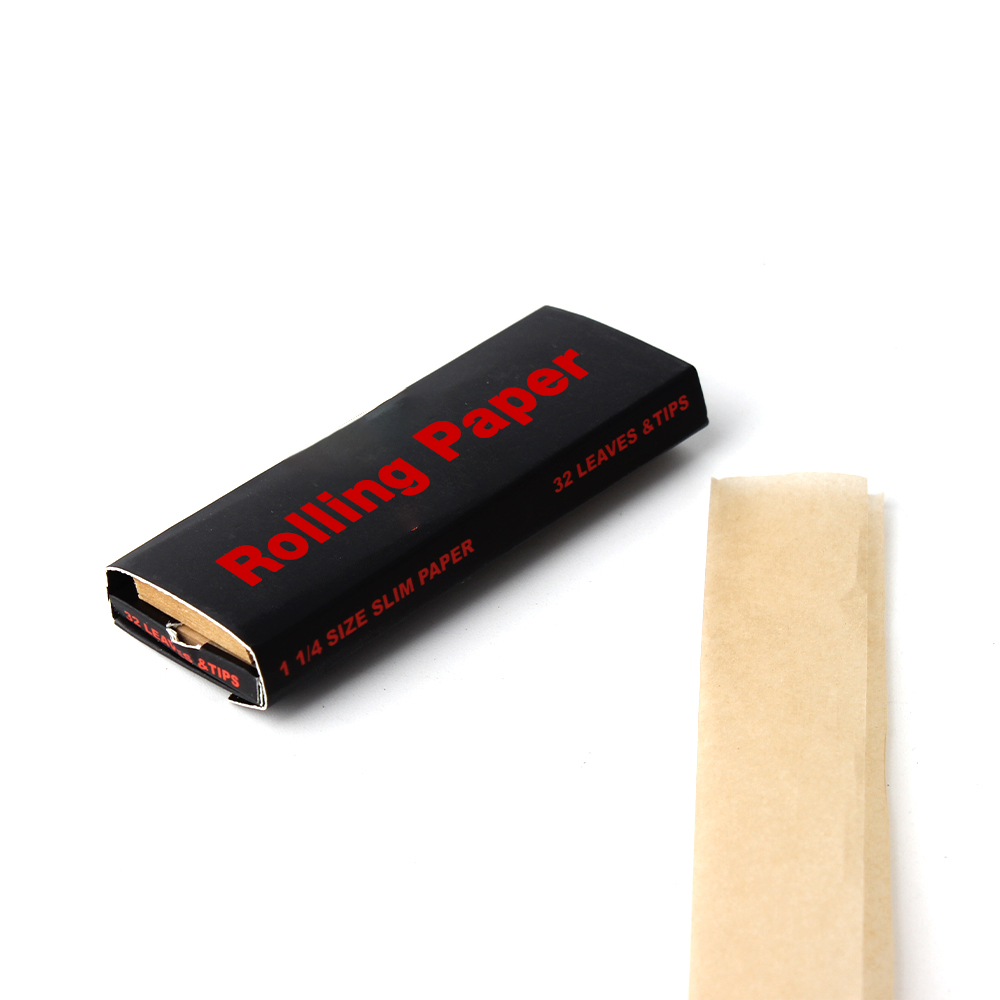
Selecting the right custom filter tips wholesale supplier requires more than just comparing prices and delivery times. When you source unbleached paper products, particularly kraft filters and filter tips, you need to understand the material quality, production standards, and capabilities that differentiate one supplier from another. This guide outlines the essential questions you should ask any potential supplier before committing to a partnership.
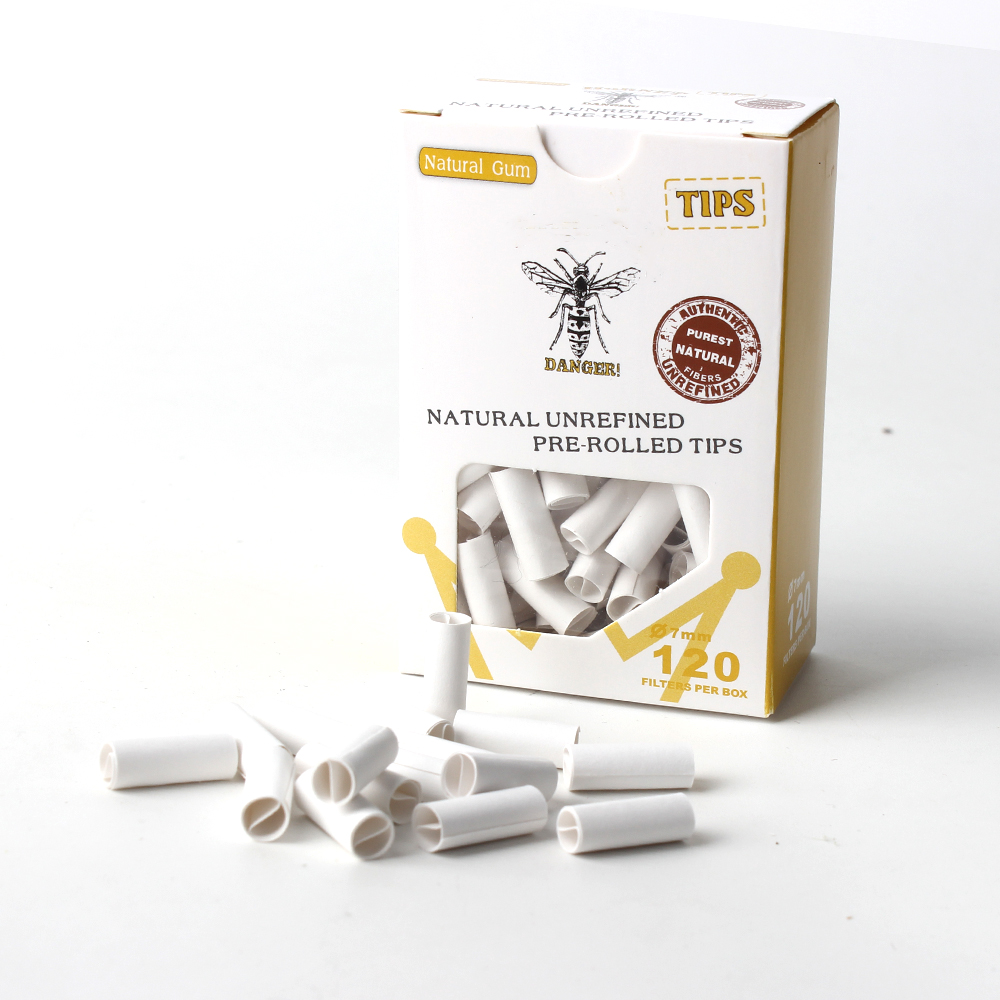
Unbleached paper demand continues to grow across the smoking accessories, tea infuser, and botanical product industries. Whether you operate a small boutique shop or manage large-scale distribution, the quality of your supplier's unbleached paper directly affects your product reputation, customer satisfaction, and compliance standing. Understanding which supplier questions matter most will help you negotiate confidently and avoid costly quality issues down the line.
Begin by asking your supplier about the exact material composition of their unbleached paper. Kraft filters are typically made from wood pulp, but the source, bleaching process, and additives vary significantly. Request information about whether the pulp comes from sustainably managed forests, recycled content, or virgin fiber sources. A credible supplier should provide third-party certifications or forest stewardship documentation. Ask specifically about the kraft paper weight, measured in grams per square meter (gsm), because this directly influences filter performance, durability, and user experience.
Supplier questions about chemical treatments are equally important. Unbleached paper can still contain sizing agents, retention aids, or other processing chemicals that affect safety and functionality. Request the full chemical composition list and ask whether the supplier conducts chemical residue testing. For applications in food contact, botanical products, or smoking accessories, you need confirmation that all materials meet relevant food safety, health, and environmental regulations specific to your market.
Ask your supplier about the whiteness rating and brightness specifications of their kraft filters. While unbleached paper naturally has a tan or cream color, consistency matters for brand identity and customer expectations. Request samples across multiple production batches to verify color uniformity. Also inquire about the paper's tensile strength, tear resistance, and porosity—these material quality factors determine how well the filter performs under real-world conditions. A reliable supplier should have independent laboratory test reports documenting these properties.
Understanding your supplier's production processes is critical for consistent material quality. Ask about their manufacturing facility certifications, such as ISO 9001, ISO 13001, or relevant food safety standards depending on your end application. Request details about their quality control procedures, including incoming material inspection, in-process testing, and final product verification steps. A professional supplier should track batch numbers and maintain detailed production records, allowing full traceability if issues arise. Inquire about their defect rate benchmarks and what happens if a batch fails quality standards.
Supplier questions about equipment and technology reveal their capacity to produce consistent unbleached paper products. Ask what machinery they use for forming, pressing, and cutting filter tips and kraft filters. Modern equipment with precise calibration typically produces tighter tolerances and fewer variations. Find out about their production volume capabilities, lead times for large orders, and whether they can accommodate custom specifications like specific gsm weights, sizing, or dimensional requirements for your custom filter tips wholesale operations.
As your business grows, your supplier must scale with you. Ask about minimum order quantities, volume discounts, and whether they can handle seasonal demand fluctuations. Clarify their lead time for standard orders versus rush orders, and what happens if you need to adjust quantities mid-order. Request information about their inventory practices—do they stock finished products, or do they manufacture to order? Understanding these logistics helps you plan inventory management and avoid supply chain disruptions. Also ask about their quality guarantees: if a batch arrives substandard, what is their replacement or refund policy?
Compliance requirements vary by industry and geography, so ask your supplier which regulations they follow for unbleached paper production. Request copies of safety data sheets (SDS), material testing reports, and any certifications relevant to your market—such as FDA compliance for food-contact applications, or country-specific regulations if you export. Ask whether they conduct third-party testing for contaminants, heavy metals, or harmful substances, especially if your products will be used in sensitive applications. A trustworthy supplier welcomes these questions and provides comprehensive documentation without hesitation.
Supplier questions about chemical treatments and additives become especially important if your customers have specific concerns about natural or organic materials. Ask whether the supplier uses any bleaching agents, optical brighteners, or synthetic polymers in their kraft filters and unbleached paper products. Request information about their environmental practices, such as waste management and water treatment protocols. Progressive suppliers are transparent about their sustainability efforts and can explain how their material quality standards align with eco-conscious brand values.
Your supplier relationship extends beyond the first order. Ask about their technical support capabilities—who will you contact if you have questions about custom filter tips specifications, material handling, or troubleshooting? Inquire about their responsiveness to customer inquiries and whether they have dedicated account management for wholesale suppliers. Request information about their product development flexibility: if you need to develop a new filter size, color variation, or material blend, can they accommodate innovation requests? Understanding their commitment to ongoing partnership helps ensure long-term reliability and mutual growth.
Before accepting any shipment of kraft filters or custom filter tips, verify that the supplier has conducted tensile strength testing, tear resistance measurement, basis weight (gsm) verification, and moisture content analysis. Request certificates of analysis for each batch. Additionally, for food-contact applications, ask for chemical residue testing and confirmation of compliance with applicable food safety regulations. Visual inspection for color consistency, size accuracy, and surface defects should also be documented in the supplier's quality control report.
Ask your supplier for third-party certifications such as FSC (Forest Stewardship Council) or PEFC (Programme for the Endorsement of Forest Certification) documentation. Request transparency about their pulp sourcing, recycled content percentage, and manufacturing energy sources. Ask to see their environmental impact reports and waste reduction practices. You can also verify sustainability claims through independent certification databases. A reputable supplier will openly share this information and welcome independent audits of their material quality and production processes.
Before placing a large order, establish a written agreement with your supplier that clearly defines quality standards, acceptable defect rates, and remedies if issues occur. Ask about their return and replacement policy, whether they offer partial refunds or full replacements for substandard batches. Clarify the process for dispute resolution and timelines for replacement shipments. Request regular communication checkpoints during production so problems can be identified early. Maintaining a strong working relationship with your supplier, backed by clear contracts, protects your business and ensures consistent material quality for your custom filter tips wholesale operations.