EN
EN
what-to-ask-about-printing-tolerances-on-custom-preroll-cones, what-to-ask-about-printing-tolerances-on-custom-preroll-cones, /news
EN
2026/08/26
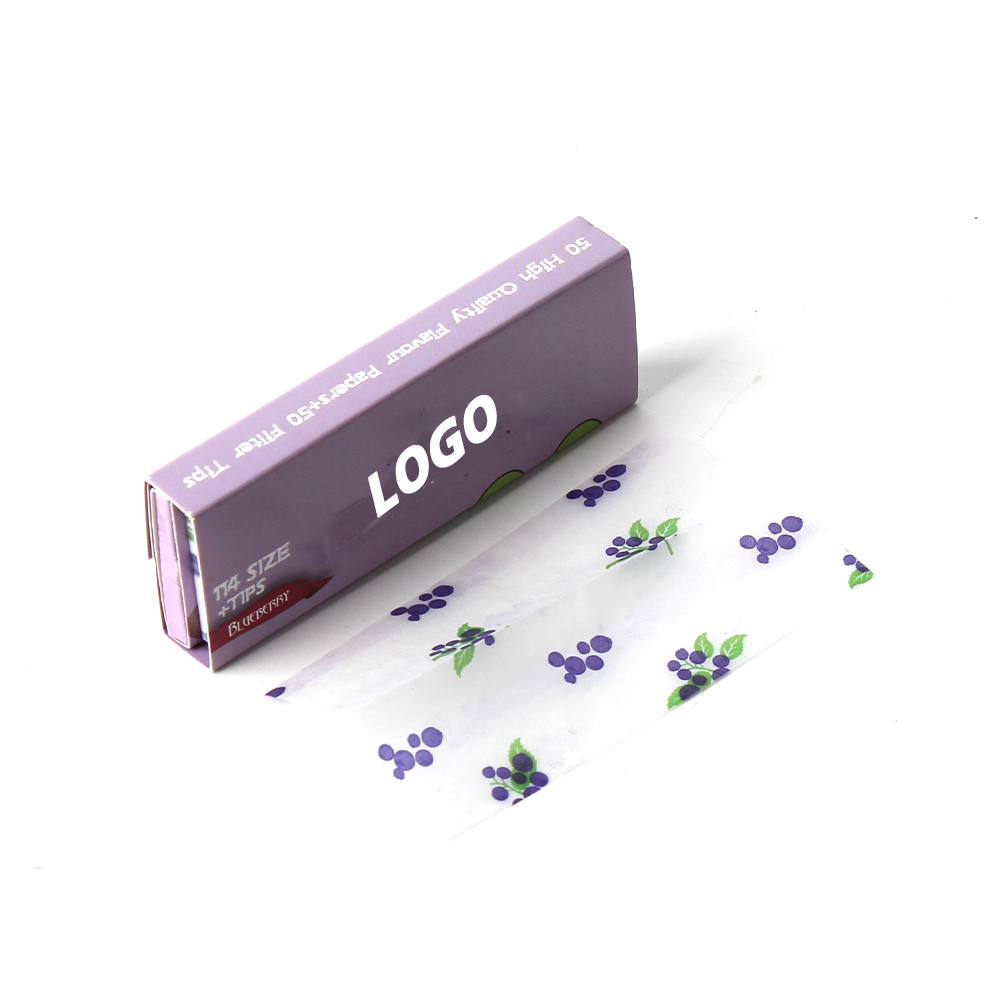
When ordering pre rolled cones with custom logo, most buyers focus on design appeal and rush to finalize their order. However, one critical factor often overlooked is printing tolerance—the acceptable range of variation in print placement, color accuracy, and dimensional consistency. Understanding what to ask about printing tolerance can mean the difference between receiving a professional product that meets your brand standards and dealing with rejected shipments that damage your reputation.
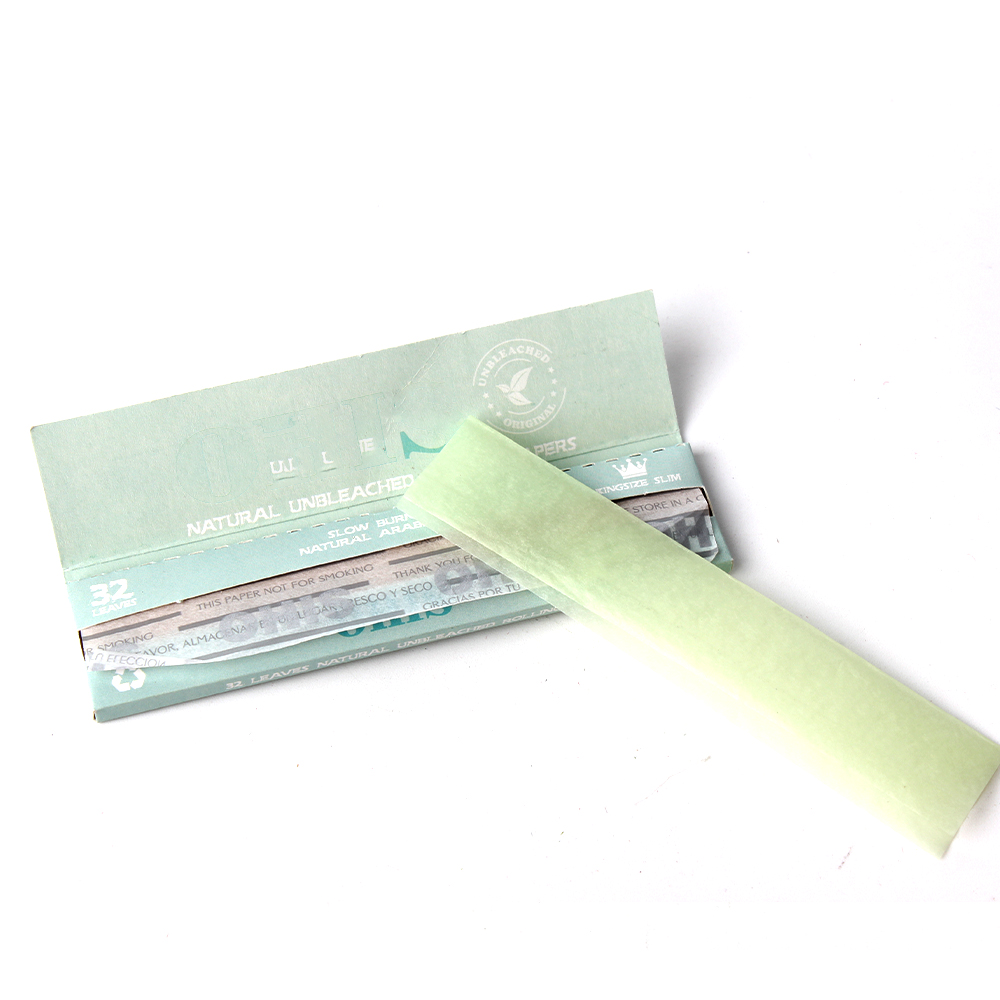
Printing tolerance directly impacts how your custom cones appear in retail settings, at customer touchpoints, and during unboxing experiences. Whether you manufacture pre-roll products, operate a dispensary, or run a packaging business, the questions you ask during the ordering process establish clear expectations and prevent costly disputes with your supplier. This guide outlines the essential inquiries you should make regarding printing tolerance, logo placement, and quality control standards before committing to any production run.
Printing tolerance refers to the permitted deviation from the original design specifications in the final printed product. For custom cones, this includes variations in ink saturation, color match, logo placement position, and edge sharpness. Every printing method—whether flexographic, digital, or offset—carries inherent mechanical constraints that make perfect consistency across thousands of units technically impossible. However, the degree of acceptable variation should be clearly defined before production begins.
When discussing quality control with your supplier, ask for their standard printing tolerance specifications measured in millimeters or percentages. A reputable manufacturer will provide documented tolerance ranges for logo placement (typically within ±2-3mm), color deviation (expressed as Delta E values in professional color standards), and ink coverage uniformity. Understanding these benchmarks helps you assess whether the supplier's capabilities align with your brand requirements.
Inconsistent printing across your custom cones undermines brand perception and creates customer dissatisfaction. If logo placement varies significantly between units, some cones may appear crooked or off-center—immediately signaling low quality to end consumers. Color variations can make your branding look unprofessional, especially if one unit has vibrant colors while another appears faded. These issues compound when customers receive multiple boxes across different production runs.
For businesses in regulated markets, printing tolerance documentation also serves as a compliance record. Maintaining consistent logo placement and design specifications ensures your cones meet any applicable packaging standards or brand guidelines required by licensing authorities. Ask your supplier to maintain batch records showing printing tolerance data for traceability purposes.
Logo placement represents the most visible printing tolerance concern for custom cones. Your first question should be: 'What is your standard tolerance for logo positioning, and can you accommodate tighter tolerances if required?' Most manufacturers work within ±3mm of the target position, but premium suppliers may offer ±1mm or ±2mm tolerances for additional cost. Understanding this upfront prevents disappointment when cones arrive with logos noticeably off-center.
Ask specifically about vertical and horizontal placement accuracy. Custom cones have cylindrical surfaces that present unique printing challenges—logos can shift during the wrapping and printing process. Request samples from the supplier showing their typical placement variation across a production run. Photos or physical samples of 10-20 units from a previous batch reveal real-world accuracy rather than marketing claims. Additionally, inquire whether placement tolerances vary by cone size or material type, as larger cones and specialty materials may have different specifications.
Color accuracy is another dimension of printing tolerance that deserves detailed discussion. Ask: 'How do you measure color accuracy, and what color standard do you use?' Professional color measurement uses Delta E (ΔE) values, where ΔE values below 2 are imperceptible to the human eye, values 2-5 are noticeable but acceptable, and values above 5 represent significant deviation. Request that your supplier provides Delta E specifications for their printing tolerance standards.
Inquire about their color management process. Do they use spectrophotometers to measure ink color against your Pantone or CMYK specifications? Can they provide pre-production color proofs for approval before full production begins? Understanding their quality control system for color consistency ensures your logo appears uniform across thousands of custom cones. Ask whether they offer a color reprint option if your batch falls outside acceptable tolerance ranges.
Your supplier's quality control procedures directly determine whether your custom cones meet printing tolerance standards. Ask how they inspect finished products—do they use automated vision systems, manual inspection, or both? Automated systems typically catch consistent defects more reliably than manual inspection alone. Request information about their sampling inspection methodology: are they inspecting 100% of each batch, or using statistical sampling methods? For critical orders, 100% inspection may be worth the added cost.
Establish clear rejection criteria before production. Ask your supplier: 'Which printing defects trigger automatic rejection and replacement?' Common criteria include logos outside the defined tolerance range, visible color shifts, ink smudging, and incomplete coverage. Have these documented in writing and reference them in your purchase agreement. This creates objective standards rather than subjective disagreements about whether cones are acceptable upon delivery.
Request that your supplier maintain detailed batch records documenting printing tolerance measurements for your order. These records should include dates, measured logo positions, color readings, and the names of inspectors. Having this documentation protects both parties and provides traceability if disputes arise. Ask whether they photograph sample units from your production run for your records, showing actual printing results before shipment.
Inquire about their process for communicating printing tolerance issues proactively. If during production they discover that certain units fall slightly outside tolerance but are still acceptable, do they notify you before shipping? A responsive manufacturer flags these situations rather than surprises you after delivery. Understanding their communication protocol ensures you maintain alignment throughout the production and quality control process.
For most applications, requesting a printing tolerance of ±2-3mm for logo placement and Delta E values below 3-4 for color represents a reasonable balance between quality expectations and manufacturing feasibility. However, your specific tolerance requirements depend on your brand standards and end-user expectations. If your custom cones are high-end retail products, tighter tolerances may justify the added cost. Discuss your specific use case with your supplier to determine appropriate tolerance specifications before production begins.
Some variation is inevitable in any printing process, but reputable manufacturers minimize deviation through quality control systems, equipment maintenance, and operator training. Rather than guaranteeing zero variation, focus on establishing documented tolerance ranges that define acceptable limits. Ask your supplier about their process capability—the percentage of units they typically produce within your specified tolerances—and whether they offer reprinting options if tolerances are exceeded beyond agreed-upon limits.
First, document the specific defects with photos and measurements comparing your cones to your original design specifications. Reference your purchase agreement and the printing tolerance standards you discussed with the supplier. Contact your manufacturer immediately with documentation and request either a full reprint of the affected units or credit against future orders. Most reputable suppliers have processes to address out-of-tolerance shipments, but having clear pre-production agreements about tolerance standards and rejection criteria strengthens your negotiating position significantly.