EN
EN

EN
2026/09/09
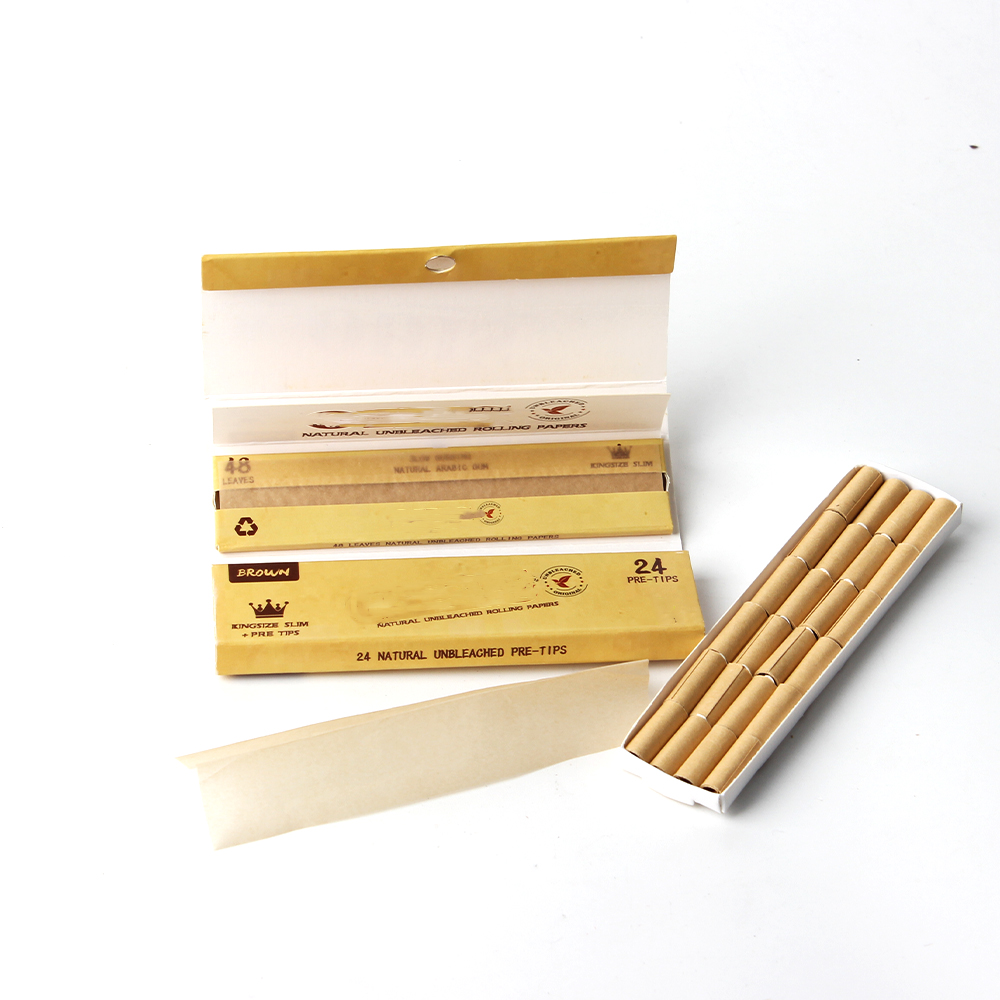
Ordering custom cones for your business requires careful planning and strategic decision-making. Whether you're launching a new product line or scaling an existing operation, understanding the essential factors before placing an order can significantly impact your success. Scented cones have emerged as a premium offering in the market, demanding attention to quality, consistency, and supplier reliability. The choice to invest in scented cones represents more than just a procurement decision—it reflects your brand commitment to customer satisfaction and product excellence.
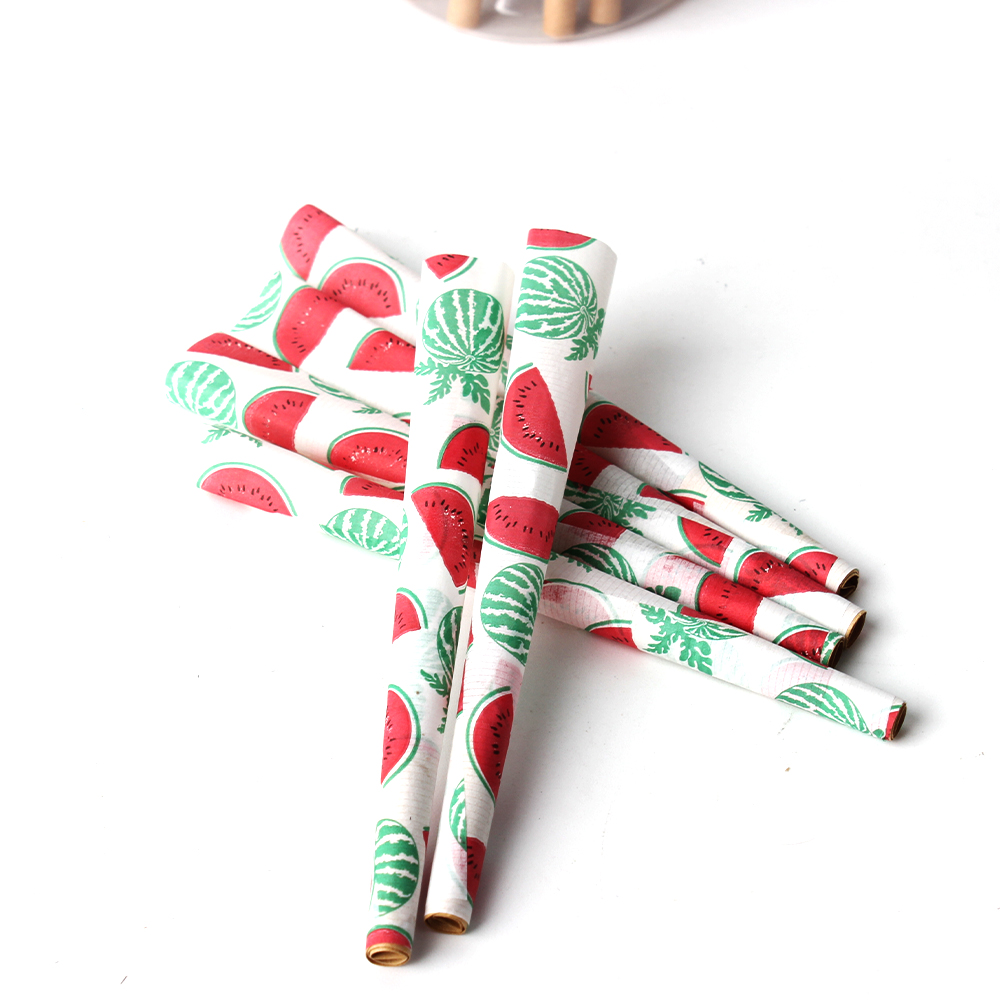
The process of sourcing custom cones involves multiple considerations that extend beyond basic specifications. Your supplier selection, material quality, fragrance consistency, and production capacity all play critical roles in determining whether your final product meets market expectations. Understanding these factors upfront allows you to negotiate effectively, avoid costly delays, and ensure that your scented cones deliver the premium experience your customers deserve. This guide explores the most important considerations for anyone ordering custom cones in today's competitive market.
Before initiating any order for scented cones, clarify your product development strategy and how these cones fit within your overall brand narrative. Are you positioning your offering as ultra-premium, mid-market, or value-oriented? This decision directly influences material selection, fragrance intensity, packaging, and pricing strategy. Custom cones allow you to create a distinctive product that reflects your brand values, but only if you've first established clear positioning objectives.
Your product development roadmap should identify the specific customer segments you're targeting and their expectations regarding scent profiles, burn quality, and packaging aesthetics. Understanding whether your buyers prioritize natural ingredients, exotic fragrances, sustainability, or affordability guides every subsequent decision. Scented cones designed for wellness-focused consumers will differ significantly from those marketed to recreational users, and these distinctions should inform your supplier selection and quality standards.
Establishing precise specifications for your custom cones prevents misunderstandings and quality issues during production. Document cone dimensions, paper weight, fragrance concentration levels, burn time targets, and ash color preferences. These technical parameters become the foundation for sample testing and supplier communication. Vague specifications lead to disappointing results, while detailed specifications enable suppliers to deliver consistent, high-quality products that meet your exact vision.
Your specifications should also address production tolerances—the acceptable variation in cone size, weight, and fragrance saturation. Even minor inconsistencies in scented cones can frustrate customers and damage brand reputation. Work with your supplier to establish industry-standard tolerances and confirm their ability to maintain these standards across all production runs. This proactive approach prevents costly rework and ensures customer satisfaction from your first shipment.
Sample testing represents the most critical investment you can make before placing a full production order for custom cones. Request multiple sample batches that allow you to evaluate fragrance strength, burn consistency, paper quality, and overall user experience. Scented cones require evaluation across different storage conditions and time periods, as fragrance volatility and paper degradation can occur over weeks or months. Never commit to a large order based on initial samples alone.
During sample testing, conduct burn tests under various conditions—indoors, outdoors, in different room sizes, and with varying ventilation. Evaluate whether the fragrance disperses evenly, whether the cone holds together without crumbling, and whether ash production aligns with your expectations. Test scent retention after storage periods of one week, one month, and three months to identify potential degradation. This comprehensive sample testing approach reveals quality issues before they damage customer relationships and your brand reputation.
Fragrance consistency is paramount when ordering scented cones, as customers expect identical experiences across multiple purchases. During product development, verify that your supplier can replicate fragrance profiles with precision across all production batches. Small variations in fragrance intensity, aromatic note balance, or scent longevity will be immediately noticed by repeat customers. Request data on fragrance sourcing, storage protocols, and quality control measures that ensure batch-to-batch consistency.
Environmental factors significantly impact scented cones, affecting fragrance stability during storage and transit. Temperature fluctuations, humidity, and light exposure can alter fragrance profiles or reduce scent retention. Confirm that your supplier implements proper storage and packaging solutions that preserve fragrance integrity. Understanding these stability factors during sample testing prevents customer disappointment and costly product returns.
Your supplier choice directly determines whether your custom cones meet quality standards and delivery timelines. Evaluate potential suppliers based on their production capacity, equipment quality, fragrance sourcing networks, and quality control systems. Request references from other brands and ask specifically about their experience with scented cones and product development support. A supplier's willingness to invest time in sample testing and refinement often indicates their commitment to customer success.
Reliability extends beyond production quality to include communication responsiveness, problem-solving capability, and flexibility. Can your supplier accommodate urgent orders or accommodate mid-production adjustments if sample testing reveals refinement opportunities? Do they provide detailed production schedules and quality reports? These operational factors impact your ability to meet market demands and maintain customer satisfaction. Choose suppliers who view themselves as partners in your product development journey, not merely transactional vendors.
When ordering custom cones, negotiate terms that provide flexibility for growth without compromising quality. Establish minimum order quantities that align with your cash flow and storage capacity while securing competitive pricing. Clarify lead times, payment structures, and quality guarantees in writing. Discuss pricing structures for different order volumes—many suppliers offer tiered pricing that rewards larger orders, helping you plan cost-effective scaling strategies.
Your ordering agreement should specify what happens if quality issues arise during production or after delivery. Will your supplier replace defective units? How quickly can they respond to quality complaints? Understanding these contingencies before problems occur protects your business and maintains customer relationships. Additionally, discuss exclusive arrangements or special arrangements if you're planning significant volumes—suppliers often provide enhanced support and pricing for committed, long-term partners.
Request at least three separate sample batches representing different production runs or fragrance formulations. Each batch should contain enough cones for comprehensive testing across burn conditions, storage periods, and usage scenarios. Sample testing for scented cones should span several weeks, allowing you to evaluate fragrance retention, paper durability, and consistency across time. This investment in thorough sample testing prevents expensive mistakes during full-scale production.
Inconsistency typically stems from fragrance application variations, paper quality fluctuations, storage condition differences, or supplier quality control gaps. Scented cones require precise fragrance saturation during product development to ensure uniform experiences. Environmental factors during storage and transport also impact fragrance stability. Discuss your supplier's quality control measures, fragrance sourcing consistency, and environmental controls before ordering to minimize these risks.
Not necessarily—balance your supplier's minimum order quantities against your cash flow, storage capacity, and market demand certainty. Ordering custom cones in smaller initial quantities allows you to validate market response and gather customer feedback before committing to massive inventory investments. Once you've confirmed product-market fit and built customer demand momentum, scale your orders to access volume discounts and reduce per-unit costs.