EN
EN

what-to-know-about-gradient-and-multicolor-preroll-cone-designs, what-to-know-about-gradient-and-multicolor-preroll-cone-designs, /news
EN
2026/08/21
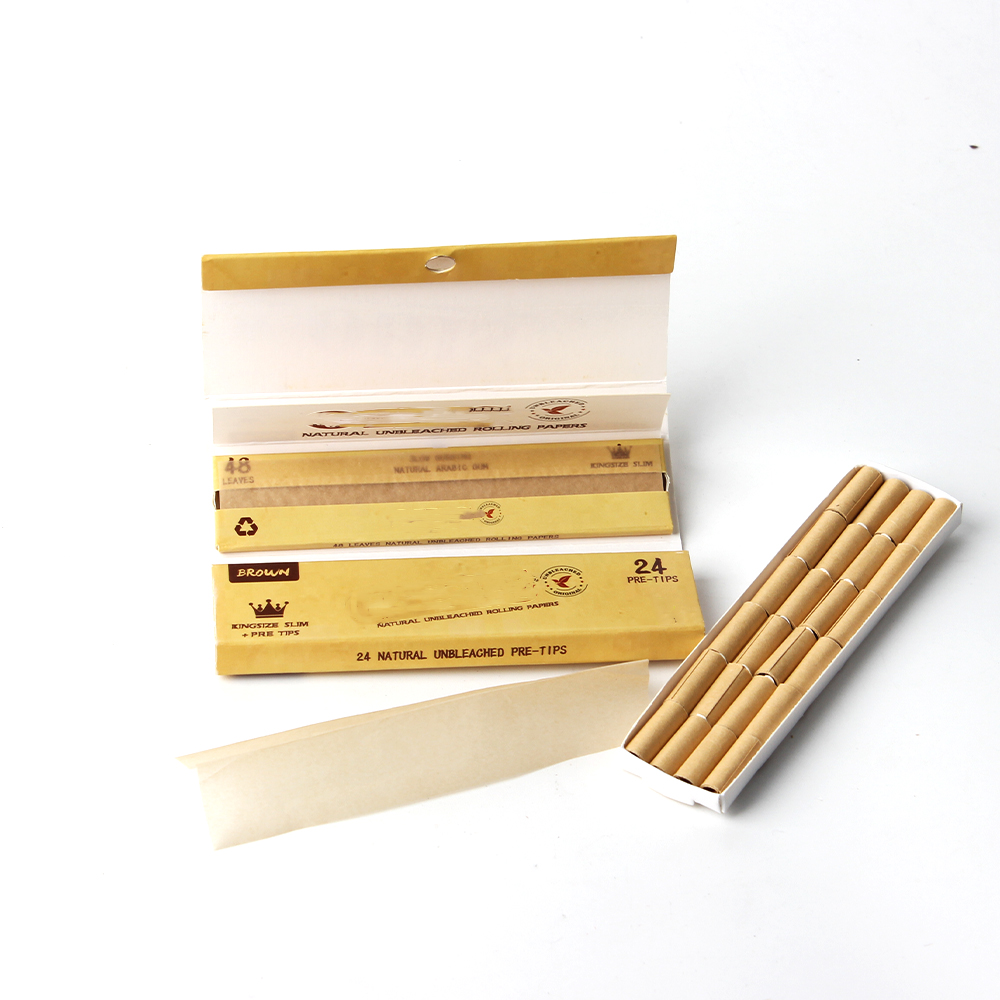
In the competitive landscape of consumer products, visual differentiation has become essential for brand success. Custom cones featuring gradient and multi-color designs represent a significant evolution in packaging aesthetics and consumer engagement. These innovative approaches to pre-roll cone design go beyond basic functionality, transforming packaging into a powerful brand communication tool that captures attention on retail shelves and builds lasting customer recognition.
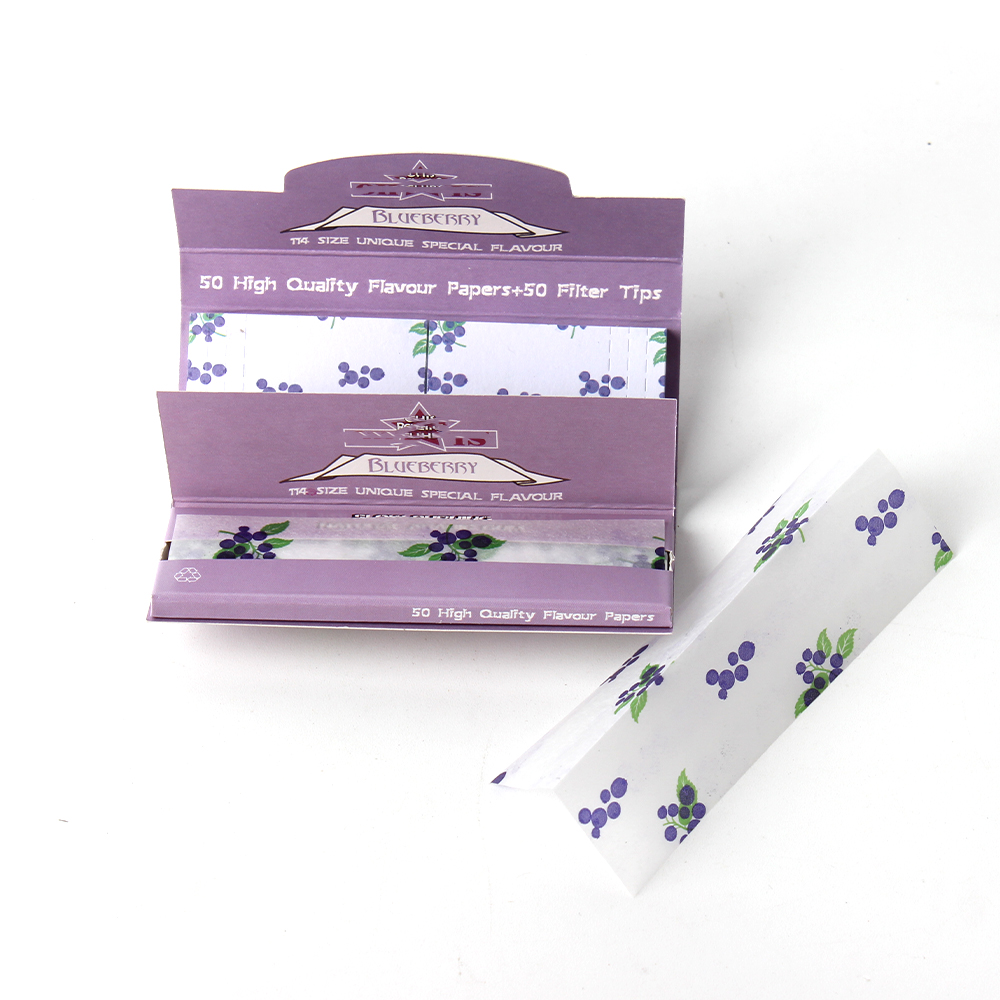
The market for specialty pre-roll packaging has expanded dramatically as producers recognize the value of distinctive visual identity. Gradient cones offer a smooth transition between multiple hues, creating depth and sophistication that appeals to modern consumers. Multicolor cones provide bold, segmented color combinations that make products instantly recognizable and memorable. Understanding the technical, practical, and strategic dimensions of these design choices enables producers to make informed decisions about their packaging investments.
Gradient cones utilize advanced printing technology to blend colors seamlessly across the cone surface, creating visual sophistication that distinguishes products in crowded marketplaces. The gradient effect works by transitioning from one primary color to another, or sometimes incorporating three or more colors in a single flowing pattern. This approach provides aesthetic appeal while maintaining professional presentation standards. Brands using gradient designs report increased shelf presence and stronger consumer perception of product quality compared to single-color alternatives.
Manufacturing gradient cones requires specialized equipment and precise color management protocols to ensure consistency across production runs. The printing process must account for the cone's conical shape, which presents unique challenges for color uniformity and registration. Advanced custom printing techniques including rotogravure, flexography, and digital printing technologies enable producers to achieve reliable gradient effects at commercial scale. Quality control processes must verify color accuracy, ink adhesion, and design consistency throughout each batch to maintain brand standards.
Multicolor cones leverage distinct color segments to create bold, immediately recognizable visual identities that strengthen brand recall and consumer loyalty. These designs typically feature two to four distinct color zones, each contributing to the overall brand message and visual hierarchy. The segmentation approach allows brands to incorporate multiple brand colors simultaneously, creating more complex visual narratives than single-color or dual-tone options. Successful multicolor designs balance visual impact with practical printing considerations, ensuring that color transitions remain crisp and registration remains precise.
Custom printing processes for multicolor cones demand sophisticated equipment capable of precise color separation and registration across the cone's three-dimensional surface. Flexographic printing, the industry standard for cone production, has evolved to support multiple color heads that apply distinct hues in coordinated sequences. Digital printing technology offers additional flexibility for smaller production runs and design variations, though traditional flexography remains the preferred method for high-volume commercial production. Understanding the technical capabilities and cost structures of different custom printing approaches helps producers optimize their investment in multicolor cone designs.
In mature markets, brand design differentiation through innovative packaging becomes increasingly valuable for capturing consumer attention and justifying premium positioning. Gradient cones and multicolor cones offer tangible visual advantages that communicate product quality, brand sophistication, and attention to detail. These design choices signal to consumers that producers have invested in their brand presentation, which correlates with perceptions of product quality and reliability. The visual distinctiveness achieved through gradient and multicolor designs can support pricing strategies, enhance retailer relationships, and strengthen brand equity over time.
Successful brand design implementation requires that gradient cones and multicolor cones maintain visual consistency across all production batches and distribution channels. Establishing detailed color specifications, design standards, and quality control protocols ensures that packaged products always reflect the intended brand identity. Scalability considerations become critical when brands expand into new markets or increase production volumes. Choosing manufacturing partners with proven expertise in custom printing and color management helps maintain brand integrity while supporting business growth and market expansion.
Gradient cones feature smooth color transitions that blend from one hue to another across the surface, while multicolor cones use distinct color segments or blocks. Gradient designs create a sophisticated, flowing aesthetic, whereas multicolor designs emphasize bold segmentation and distinct color zones. Both approaches serve different visual communication purposes, and the choice depends on brand identity goals and market positioning strategies.
Custom printing represents a significant portion of specialty cone production costs, with gradient cones and multicolor cones requiring more sophisticated equipment and greater setup complexity than single-color alternatives. Higher color counts, detailed registration requirements, and advanced printing technologies increase production expenses. However, the enhanced brand impact and consumer engagement often justify the additional investment, particularly for premium-positioned products and brands seeking meaningful shelf differentiation.
While gradient cones and multicolor cones can enhance brand identity across many product categories, their appropriateness depends on brand positioning, target consumer expectations, and competitive dynamics within specific markets. Premium and lifestyle-focused brands benefit significantly from sophisticated design investments, while value-oriented segments may prioritize cost efficiency over design complexity. Evaluating market context, consumer preferences, and competitive positioning helps determine whether custom cone designs align with overall brand strategy.