EN
EN
what-to-know-about-logo-printing-on-cones-and-filter-tips, what-to-know-about-logo-printing-on-cones-and-filter-tips, /news
EN
2026/08/11
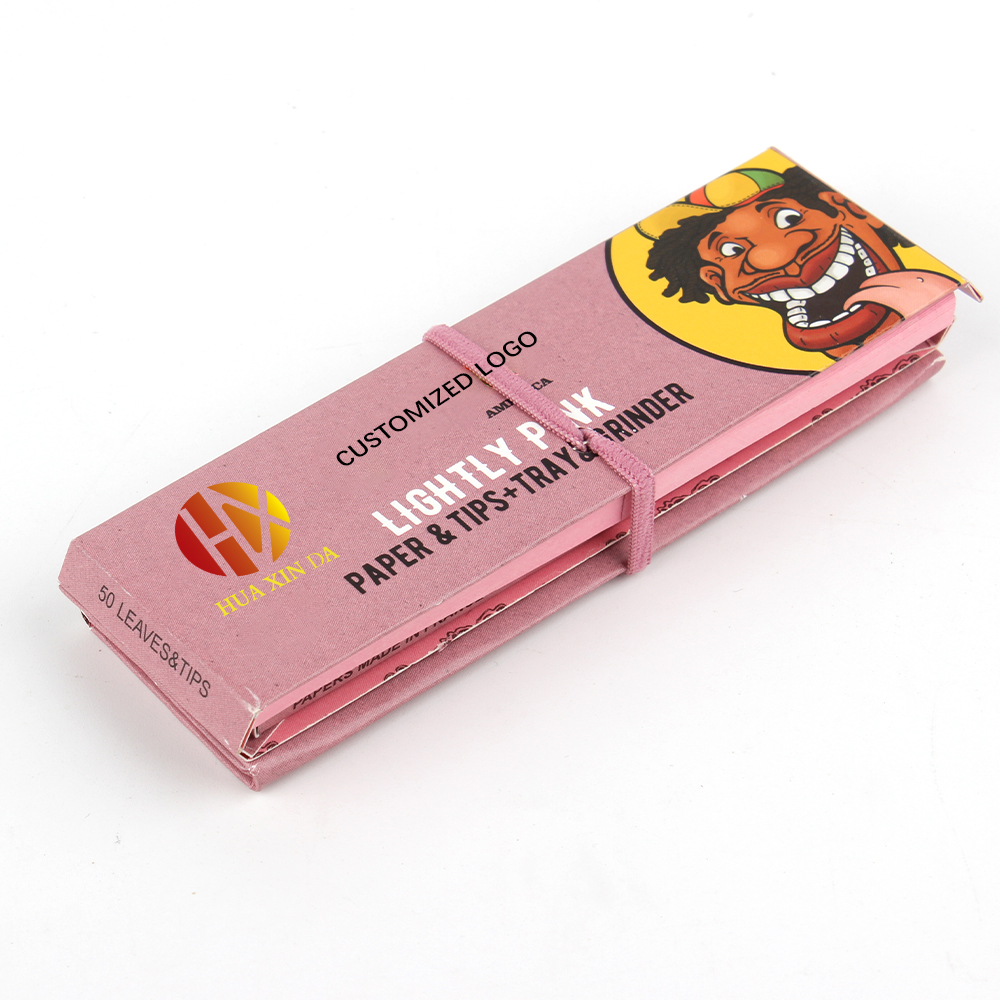
Custom branding has become essential in the rolling products industry, and understanding the nuances of logo printing on pre roll cones with filter tips custom logo designs is critical for businesses seeking to differentiate their offerings. Whether you are a manufacturer, distributor, or brand owner, the ability to apply high-quality logos and branding elements directly onto cones and filter tips represents a significant competitive advantage. This comprehensive guide explores the technical, design, and operational considerations that define successful cone branding initiatives in today's market.
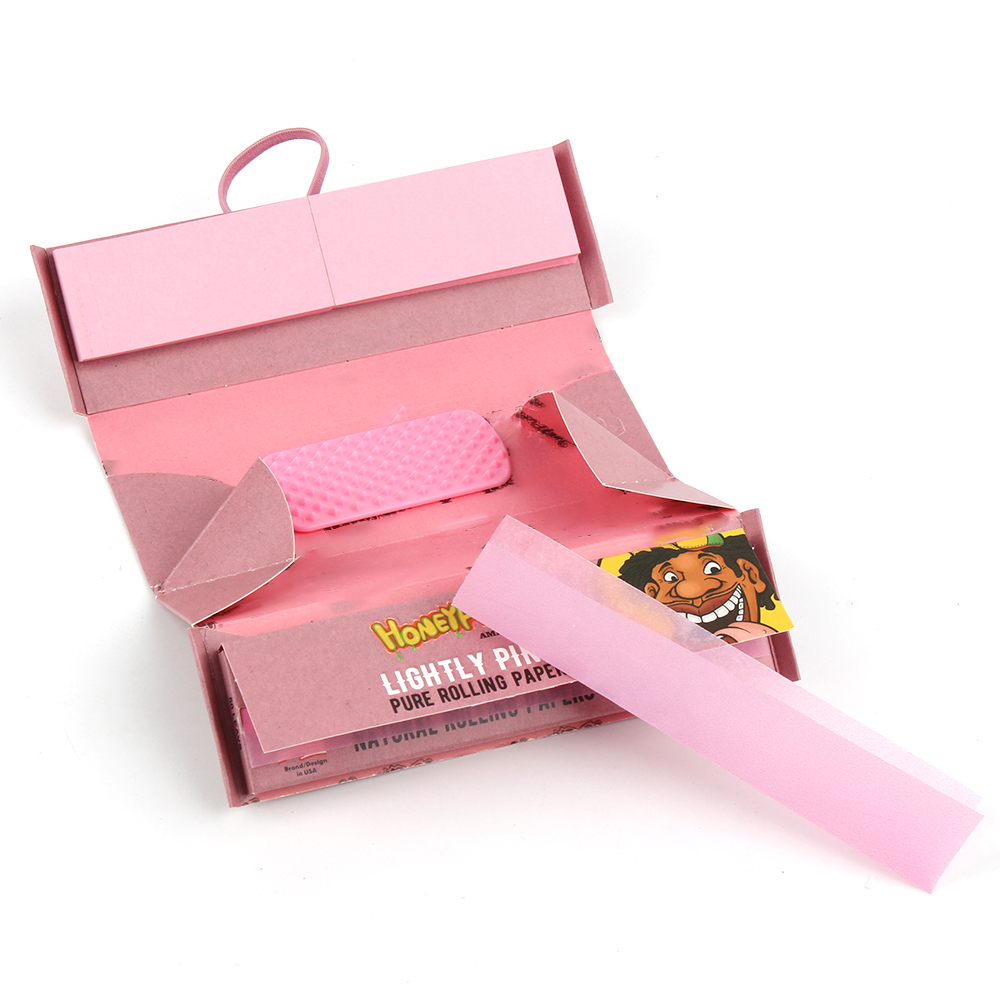
Logo printing capabilities have evolved dramatically over the past decade, driven by advances in substrate technology and digital decoration methods. Today's manufacturers can deliver stunning visual results through techniques specifically engineered for cone materials. Understanding the capabilities and limitations of each approach empowers you to make informed decisions about your branding strategy and maximize the visual impact of your products in retail environments and consumer hands.
Logo printing on cones employs several proven methodologies, each suited to different volume requirements, design complexity, and budget parameters. Digital printing offers exceptional flexibility for small to medium production runs, allowing rapid design changes and full-color photographic reproduction without significant setup costs. This technology works exceptionally well for pre roll cones with filter tips custom logo applications where brand owners need to test market variations or produce limited-edition designs. Offset printing, by contrast, delivers superior per-unit economies for high-volume runs and produces consistently sharp results across millions of impressions. The choice between these methods depends on your production volume, timeline, and design specifications.
Filter tip printing presents unique technical challenges compared to cone body branding. The cylindrical geometry of filter tips creates registration issues during the printing process, requiring specialized equipment and skilled operators to ensure logos appear centered and legible. Substrate porosity on filter tip materials affects ink adhesion differently than on cone surfaces, demanding careful ink formulation and curing protocols. Advanced cone branding operations use precision registration systems and custom ink chemistries specifically formulated for filter tip substrates. Understanding these technical considerations helps you evaluate supplier capabilities and ensure your branding delivers professional results that reflect positively on your brand identity.
Effective OEM design on cones requires strategic color choices that balance visual impact with printing feasibility and production cost. Spot color printing offers cost advantages for simple logos with limited color palettes, while full-color process printing enables photorealistic imagery and complex gradients. White ink bases serve as critical underprints when applying designs to naturally brown kraft cone materials, improving color vibrancy and contrast. Your OEM design should account for the natural product color underneath—what appears striking on white paper may require adjustment when printed on actual cone stock. Working with experienced cone branding specialists helps ensure your design intent translates accurately from concept to finished product.
Professional cone branding requires precise technical specifications covering ink types, halftone screens, color separations, and placement coordinates. Vector artwork and proper file formats ensure crisp line definition and prevent printing artifacts. Logo placement decisions affect both aesthetic impact and production efficiency—designs positioned in the natural product handling zone may experience wear and fading over time. Leading cone branding operations specify minimum text sizes, clearance zones around logos, and substrate preparation protocols that ensure consistent quality across production batches. Detailed discussions with your printing partner about these technical parameters reduce revisions and accelerate time-to-market for your branded cones.
Integrating logo printing into cone manufacturing requires coordinated workflow planning and quality checkpoints throughout production. Cone branding typically occurs after the cone body forms and before packaging, allowing manufacturers to combine multiple design variations in single production runs. Setup times for printing equipment significantly influence per-unit costs and minimum order quantities, making this a critical negotiation point with suppliers. High-speed production lines integrate printing stations that apply logos at rates matching cone production speeds, typically ranging from several hundred to thousands of units per hour depending on design complexity and equipment specifications.
Maintaining consistent logo printing quality across production runs requires rigorous quality assurance protocols and regular equipment calibration. Color matching standards, ink density specifications, and registration tolerances must be documented and monitored throughout production. Statistical process control systems track key quality metrics and alert operators when parameters drift outside acceptable ranges. Physical product sampling at regular intervals ensures logos meet sharpness, color, and adhesion standards throughout the entire production batch. Investment in robust quality systems protects your brand reputation and reduces customer complaints related to substandard printing.
Premium cone branding operations use specialized inks formulated specifically for filter tip substrates, typically including UV-curable or solvent-based formulations that cure rapidly and resist moisture infiltration. These ink chemistries bond chemically with filter material fibers rather than sitting on the surface, providing superior durability and wash resistance. Eco-conscious manufacturers increasingly specify water-based or soy-based inks that meet sustainability standards without compromising print quality or production speed. Your supplier should provide technical documentation confirming ink performance against adhesion, flexibility, and color stability standards specific to your substrate composition.
Minimum order quantities for cone branding reflect equipment setup costs, ink changes, and production scheduling constraints that manufacturers must absorb regardless of run size. Digital printing typically enables lower minimums because setup costs remain minimal, making this technology ideal for testing designs or serving niche markets with limited volume requirements. Offset and screen printing technologies require higher minimums because equipment setup consumes significant time and materials, but deliver substantially lower per-unit costs for high-volume runs. Understanding your volume projections and comparing total-cost scenarios across different printing technologies helps you select the most economical approach for your specific business model.
Multi-color logo printing on cones through filter tip printing is technically feasible using process color separations or multiple spot color applications, though complexity and costs increase proportionally with additional colors. Digital printing handles full-color imagery with minimal additional cost, making this approach ideal for photorealistic or gradient-heavy designs. Screen printing and offset printing require separate press passes for each color, increasing production time and per-unit costs but delivering superior color saturation and durability. Your design complexity, volume requirements, and budget constraints should drive the choice between single-color simplicity and multi-color sophistication in your cone branding strategy.