EN
EN
what-to-look-for-in-a-longterm-preroll-cone-manufacturing-partner, what-to-look-for-in-a-longterm-preroll-cone-manufacturing-partner, /news
EN
2026/09/07
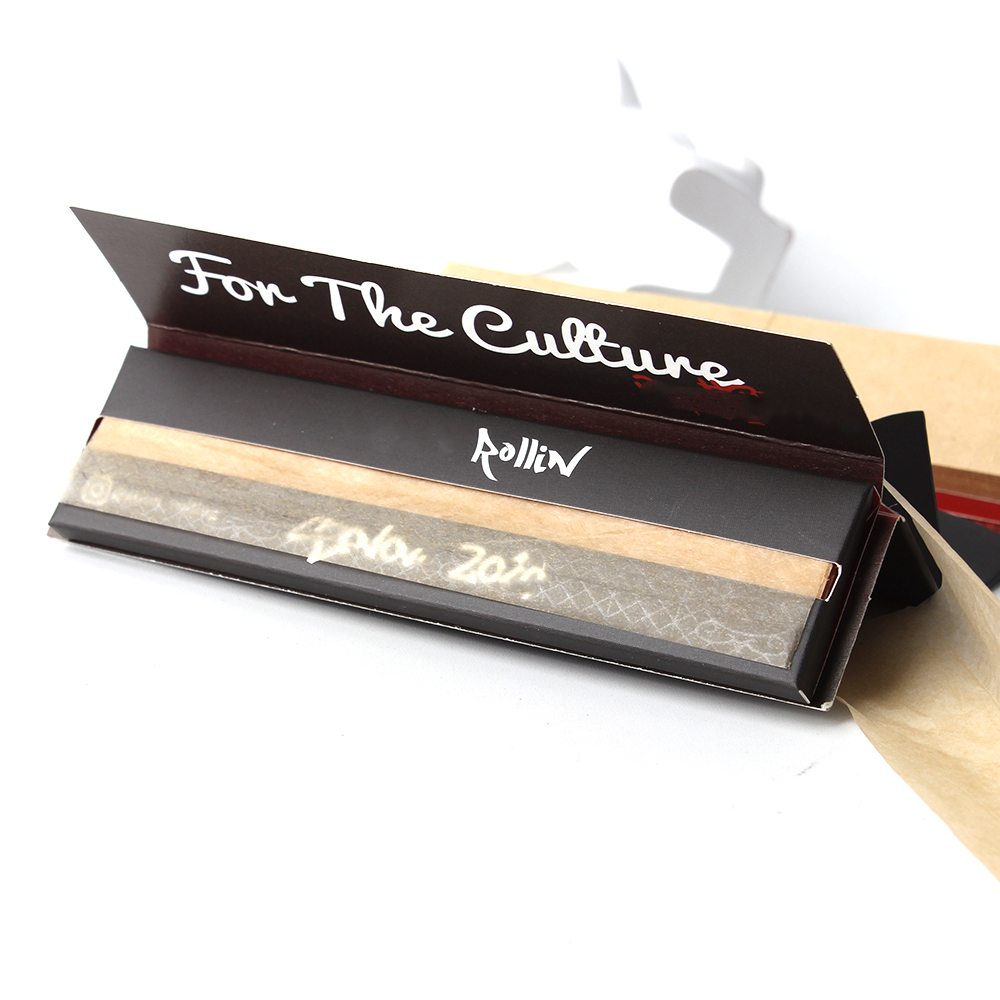
Selecting a long-term pre rolled cones factory is one of the most strategic decisions a distributor or retailer can make. The wrong partnership drains resources, damages customer trust, and creates operational chaos. The right one becomes a competitive advantage, enabling consistent product availability, reliable delivery, and sustainable growth. This decision goes far beyond comparing unit prices or lead times. It requires deep evaluation of manufacturing capabilities, quality systems, capacity roadmaps, and cultural alignment with your business.
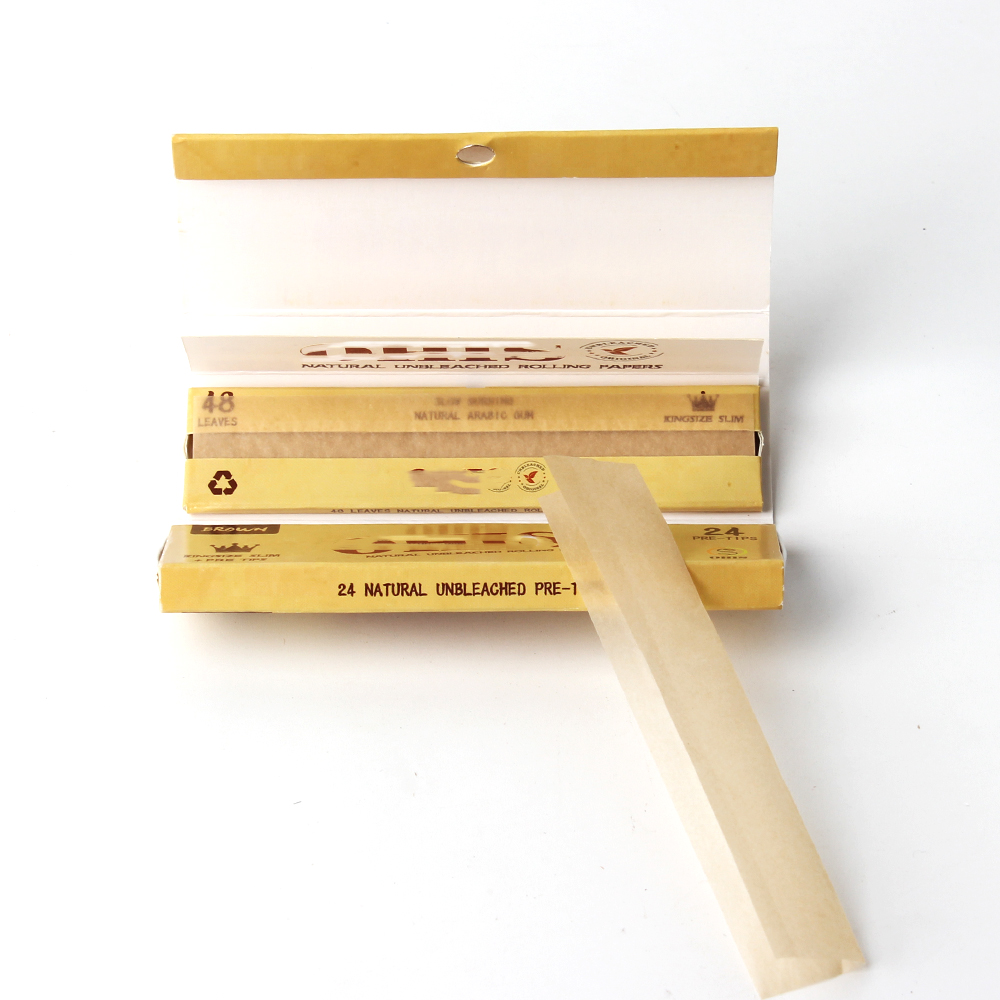
Long-term manufacturing relationships are built on trust, transparency, and mutual growth. Your factory partner needs to demonstrate not just today's capability but tomorrow's commitment to innovation, efficiency, and your specific business needs. The evaluation process requires examining multiple dimensions: their ability to maintain stable quality across thousands of units, their production capacity to handle your growth trajectory, their flexibility for custom cones, and their reliability for repeat orders. This article walks you through the essential criteria for identifying and vetting a factory partner that will support your business for years to come.
Stable quality is non-negotiable in pre-roll manufacturing. Every batch must meet identical specifications for cone diameter, length, weight, and burning characteristics. The factory must operate a documented quality control system that tests raw materials, monitors production parameters, and inspects finished goods before shipment. Ask the factory how they define and measure quality, what testing equipment they use, and how frequently they conduct audits. Reputable manufacturers should provide third-party test reports, product certificates, and clear specification sheets that align with industry standards.
Stable quality starts with consistent manufacturing processes. Visit the factory if possible, or request detailed video documentation of their production line. Observe whether operators follow standardized procedures, whether equipment is regularly calibrated, and whether they maintain environmental controls for humidity and temperature, both critical for cone consistency. A factory committed to stable quality will have ISO certifications, documented Standard Operating Procedures (SOPs), and records of quality metrics over time. Request samples from different production runs to physically verify consistency yourself.
Before evaluating a factory's production capacity, clarify your own growth trajectory over the next 2–3 years. How many units do you need today? What volume do you project for next year? A factory with capacity to produce five million custom cones annually but you only need one million today may seem like overkill, but it provides a safety margin if your business accelerates. Conversely, a factory already operating at ninety percent capacity leaves no room for your repeat orders during seasonal demand spikes. Request a detailed capacity statement that breaks down their available lines, shift schedules, and realistic maximum output.
Modern pre-roll cone manufacturing relies on specialized machinery. A factory with multiple production lines offers flexibility for custom cones and can accommodate larger repeat orders without sacrificing quality or delivery timelines. Ask whether they invest regularly in equipment upgrades, whether they can dedicate specific lines to your products, and what lead time they need to scale up production. A partner with older equipment may have lower unit costs today but less ability to respond to unexpected demand or accommodate new custom cone specifications you might request in the future.
Many distributors require custom cones to differentiate their brand or serve specific market segments. Before committing to a factory, clarify what customization options they offer: different cone sizes, paper weights, tips, branding materials, or packaging configurations. Discuss minimum order quantities for custom cones and whether these minimums are reasonable for your business model. A factory willing to engage in honest conversations about custom cone feasibility and constraint trade-offs demonstrates partnership thinking rather than pure transactional behavior.
Repeat orders are the foundation of steady revenue. A reliable factory commits to predictable lead times, maintains consistent pricing structures, and prioritizes long-term partners during supply constraints. Ask for references from existing customers about their experience with repeat orders: Did the factory honor delivery dates? Did quality remain consistent across multiple orders? Were there unexpected price increases? A factory that invests in inventory buffers and maintains open communication about potential delays demonstrates professionalism. Request a formal commitment document outlining lead times, quality guarantees, and pricing terms for your repeat orders.
Manufacturing issues are inevitable. What separates good partners from poor ones is how they handle problems. Does the factory have a designated account manager who understands your business? Do they communicate proactively about potential issues, or do you only hear from them when something goes wrong? Test their responsiveness by asking detailed questions during the vetting process. A factory that answers thoroughly, provides context, and asks clarifying questions in return shows genuine interest in serving you well.
Your factory's financial health directly impacts your supply chain security. A struggling manufacturer may cut corners to reduce costs or suddenly close operations, leaving you without a supplier. Request financial references, verify their creditworthiness if possible, and learn about their investment plans. A factory planning capital improvements, upgrading technology, or expanding capacity demonstrates confidence in their market position and commitment to future growth. This investment mindset suggests they will continue delivering stable quality and reliability as your partner evolves.
Red flags include inability to provide quality certifications, inconsistent pricing across orders, vague answers about production processes, missing documentation on production capacity, unwillingness to provide customer references, poor communication responsiveness, and reluctance to commit to written service agreements. If a factory cannot clearly explain their processes or provides evasive answers about their capabilities, trust your instinct and continue evaluating other partners.
Conduct formal audits at least twice annually for established partnerships, with more frequent visits during the first year. Request monthly quality reports and sample testing results. Maintain regular communication channels to catch emerging issues early. If you notice any decline in stable quality or missed repeat order deadlines, increase audit frequency immediately and discuss corrective actions with management.
Yes, but only if the factory has sufficient production capacity, multiple dedicated production lines, and disciplined scheduling. A well-organized manufacturer separates custom production from high-volume standard runs to maintain stable quality for both. During your evaluation, ask specifically how they structure production schedules to prevent conflicts and whether they reserve specific time slots for your repeat orders to guarantee consistency and reliability.