EN
EN

what-to-test-in-custom-filter-tip-samples-before-approval, what-to-test-in-custom-filter-tip-samples-before-approval, /news
EN
2026/09/03
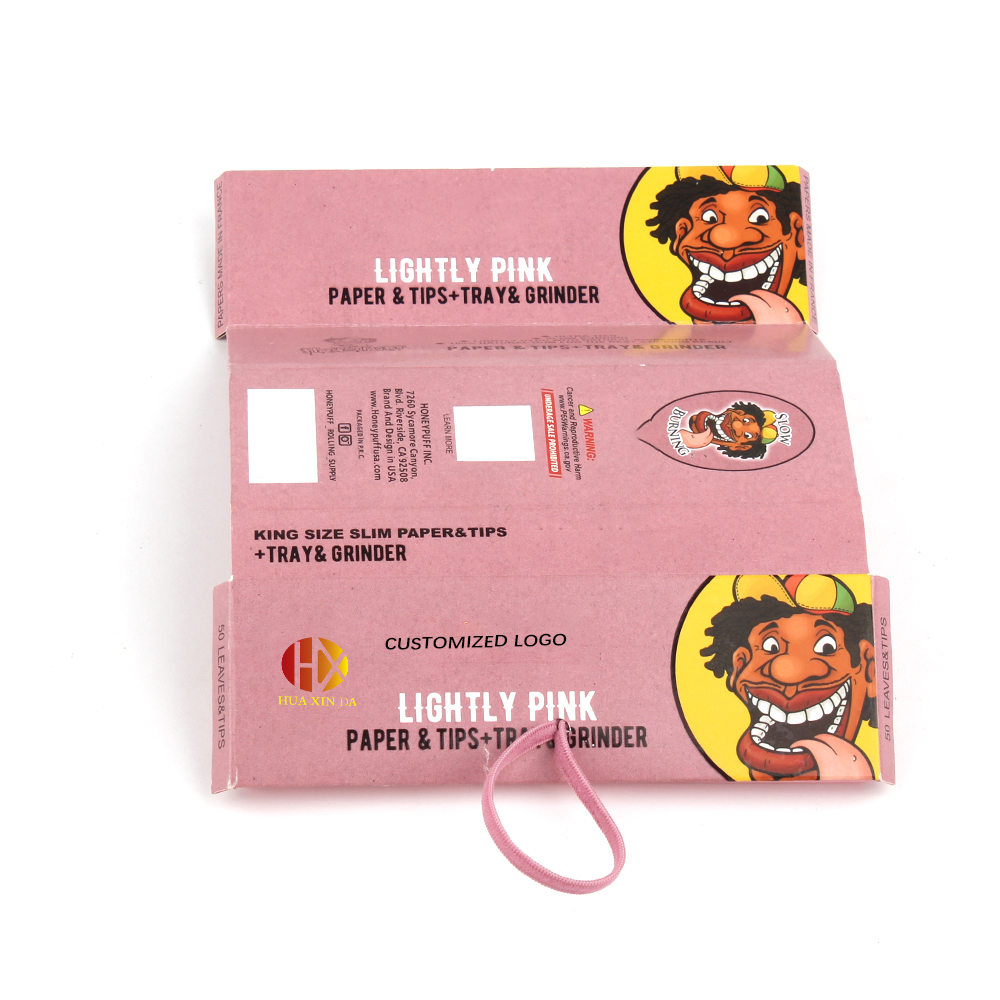
Approving a custom filter tips sample pack requires systematic evaluation across multiple quality parameters. Before committing to full production, careful sample testing ensures your final product meets specifications, customer expectations, and regulatory standards. This evaluation stage is critical for manufacturers, wholesalers, and quality-focused distributors who need confidence in their offerings before launch.
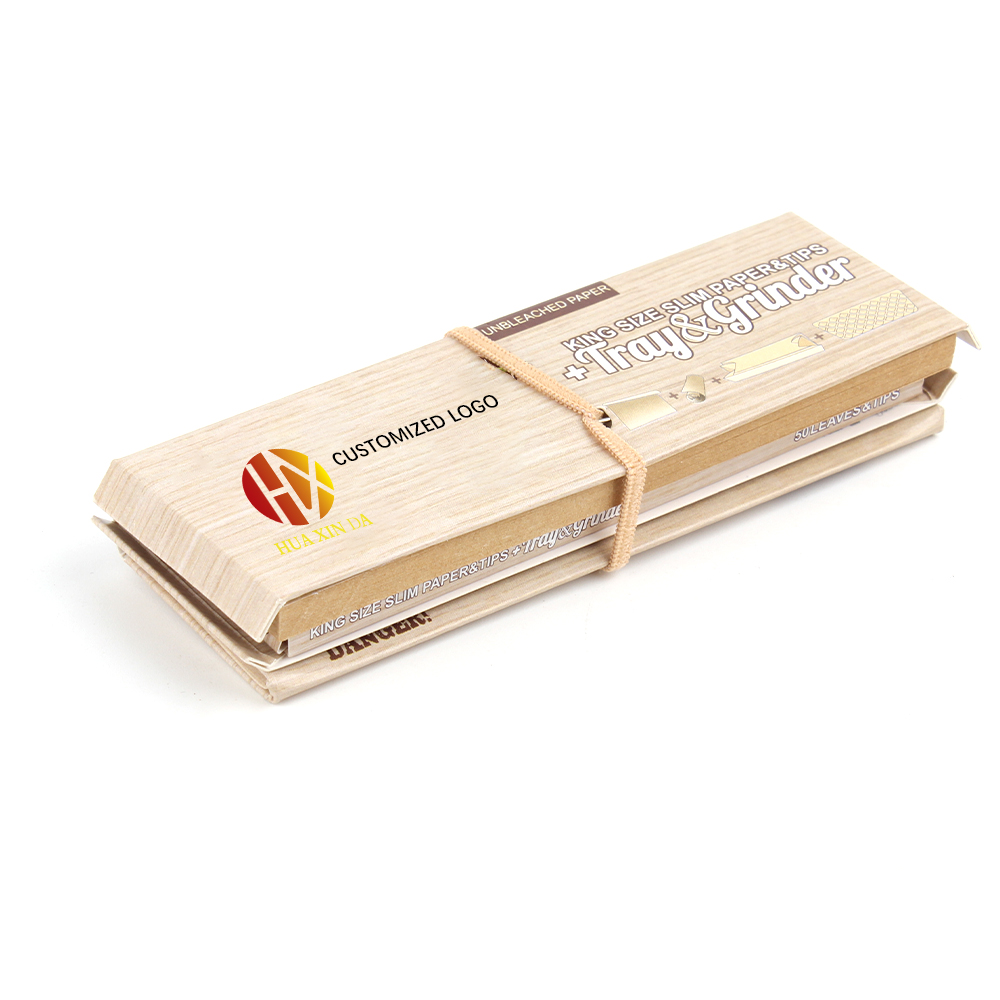
The approval process for custom filter tips involves evaluating raw materials, manufacturing consistency, and functional performance. A well-executed sample testing protocol identifies potential issues early, reduces waste during full production runs, and protects your brand reputation. Understanding what to measure and how to assess results transforms sample review from a checkbox activity into a strategic quality gate.
Tip dimensions form the foundation of custom filter tips performance. Length, diameter, and wall thickness must be measured at multiple points along each sample to verify consistency. Use precision calipers or optical measurement systems to capture dimensions at the tip base, middle, and end. Tolerances typically range from plus or minus 0.5 millimeters for diameter to plus or minus 1 millimeter for length, depending on your application requirements and manufacturing capability.
Inconsistent tip dimensions create operational problems during assembly and reduce end-user satisfaction. If your samples show dimensional variation outside acceptable ranges, work with your manufacturer to adjust tooling or material flow. Document all measurements in a traceable format that links each sample batch to production dates and tooling configurations. This data becomes essential if you need to troubleshoot production issues later or scale to multiple manufacturing sites.
Shape consistency determines whether tips feed smoothly through rolling machines and present uniformly to customers. Examine each sample visually and tactilely for uniformity in taper, roundness, and structural integrity. Visual inspection should confirm that the tip cross-section is circular rather than oval or flattened, and that any taper profile matches your design specifications.
Run samples through your actual application equipment to identify shape-related issues before mass production. If your tips will be used in automated rolling equipment, feed samples through that machinery under normal operating conditions. Document any jams, misalignments, or irregular feeding that signals shape problems. Samples that fail shape consistency testing often reveal mold wear, temperature fluctuations, or material inconsistencies in the manufacturing process.
Paper quality directly affects the smoking experience, burn rate, and perceived value of your custom filter tips. During sample testing, assess color uniformity across all samples to ensure batch consistency. White, beige, or naturally-toned tips should show minimal variation; any yellowing or discoloration signals potential oxidation, age, or material quality problems. Check for visible defects including fibers, debris, printing imperfections, or surface irregularities.
Perform burn tests on sample tips to verify that paper ignition and combustion characteristics match specifications. A quality filter tip should burn smoothly and evenly without accelerated flaming, excessive ash production, or unpleasant odors. Paper quality also influences moisture absorption and structural integrity; samples stored in humid environments should maintain firmness and not become soft or degraded after 72 hours of exposure to standard humidity levels.
Confirm that the paper material and any chemical additives comply with your formulation requirements and regulatory obligations. Request certificates of analysis from your manufacturer documenting raw material sourcing, bleaching agents, coating materials, and adhesive compositions. If your custom filter tips are marketed as organic, unbleached, or additive-free, sample testing must verify these claims through either third-party lab analysis or your manufacturer's documented quality assurance protocols.
Samples should be tested for potential allergens, heavy metals, and pesticide residues if your product targets health-conscious or regulatory-sensitive markets. Paper quality extends beyond visual assessment to encompass tensile strength, tear resistance, and porosity characteristics that influence the functional performance of your tips. Weak or brittle samples indicate improper moisture content, inadequate fiber bonding, or substandard raw material selection.
Sample testing must include functional evaluation in conditions that mimic actual customer use. Insert samples into the products they will support and verify ease of insertion, secure fit, and smooth operation. If your tips are designed for rolling papers, test them with several paper brands to confirm compatibility. Samples should fit securely without excessive tightness that causes insertion damage or looseness that allows dislodging during use.
Evaluate how samples perform over extended use; tips should not become soggy, disintegrate, or transfer unpleasant flavors after normal exposure to moisture. Test airflow characteristics if your tips are designed to influence draw resistance or filtering. Samples should provide the intended balance between structural integrity and functional performance. User experience feedback from internal testing or limited external trials reveals practical issues that pure dimensional measurement cannot capture.
Store sample units under various environmental conditions including standard room temperature, elevated heat, and standard humidity to observe degradation patterns. Quality custom filter tips should maintain their original characteristics without becoming brittle, discolored, warped, or musty-smelling after 30 days of storage. Samples exposed to temperature extremes or humidity fluctuations that show significant deterioration indicate raw material or manufacturing vulnerabilities that will impact your full production inventory.
Document all testing conditions, results, and any observations in a formal sample evaluation report. This record protects your business by establishing baseline expectations, creating accountability with manufacturers, and providing reference data if customer complaints arise after launch. Samples that pass rigorous functional testing and environmental stability checks are ready for approval and full production scaling.
Sample testing timelines typically range from 5 to 14 days depending on the complexity of your quality requirements and the availability of testing equipment. Basic tip dimensions and paper quality assessment can be completed in 5 to 7 days, while environmental stability testing and functional performance evaluation may extend the timeline to 10 to 14 days. If third-party lab analysis is required for material composition, expect an additional 7 to 10 business days for results. Plan your project timeline accordingly and communicate testing requirements to your manufacturer in advance.
A representative sample pack should contain at least 100 to 500 units to enable meaningful statistical analysis and functional testing. This quantity allows dimensional measurement across multiple samples to identify variation patterns, burn tests to verify consistency, and extended use trials without depleting supply. Larger sample packs of 500 to 1,000 units support more rigorous environmental storage tests and allow sharing with internal stakeholders or trusted customer representatives for feedback. Confirm sample pack size with your manufacturer based on your specific testing protocols and approval complexity.
Manufacturers should provide certificates of material composition, production batch numbers, manufacturing dates, and results from their internal quality control measurements. Request documentation of equipment calibration records to verify measurement accuracy, and ask for any available third-party lab certifications for raw materials or finished products. Your approval documentation should include photographs of samples, dimensional data in spreadsheet or tabular format, and any test reports related to burn characteristics or material properties. This comprehensive documentation creates an approval record that protects both parties and supports traceability if issues arise during mass production.