EN
EN
why-cone-and-filter-tip-compatibility-matters-in-production, why-cone-and-filter-tip-compatibility-matters-in-production, /news
EN
2026/09/23
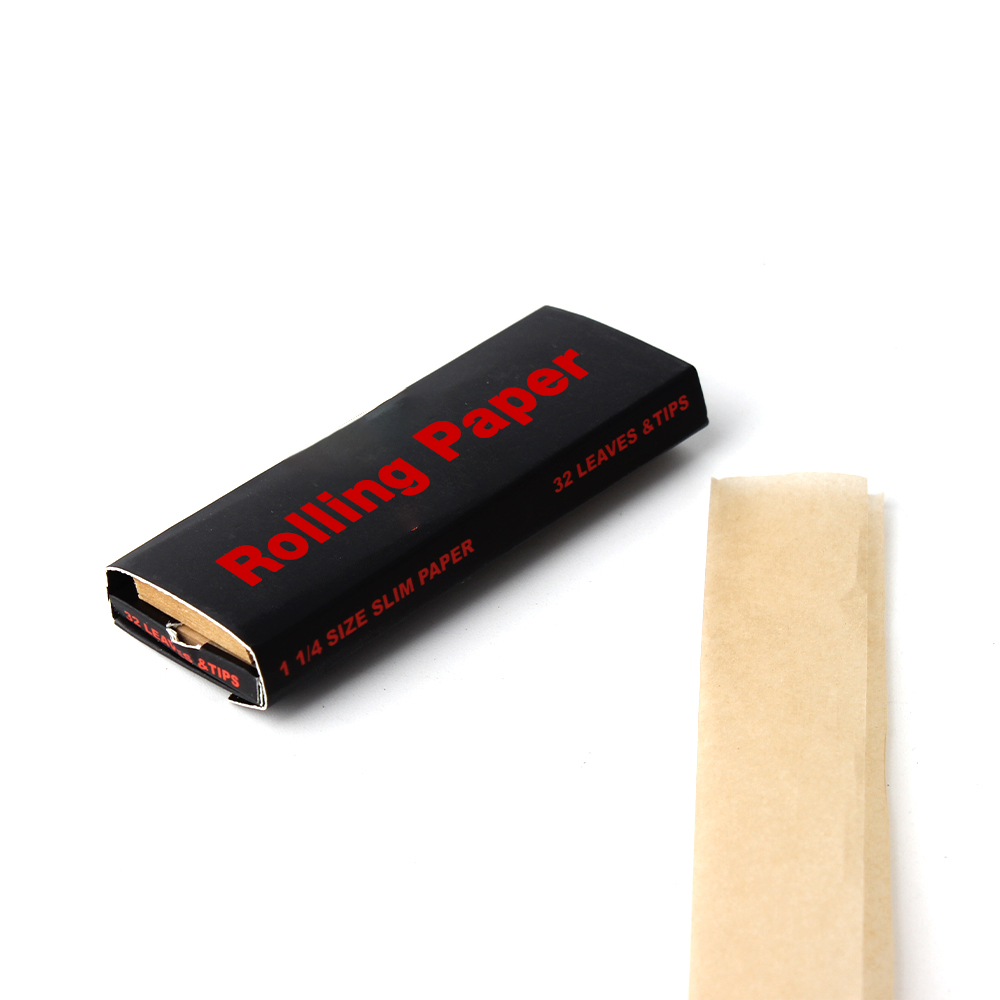
In high-volume production environments, the relationship between cone compatibility and filter fit directly determines your operational efficiency and final product quality. When your pre-roll cones with filter tips work together seamlessly, you eliminate jamming, reduce waste, and maintain consistent output across every batch. This alignment between equipment and materials is not a luxury detail but a foundational requirement for sustainable manufacturing success.
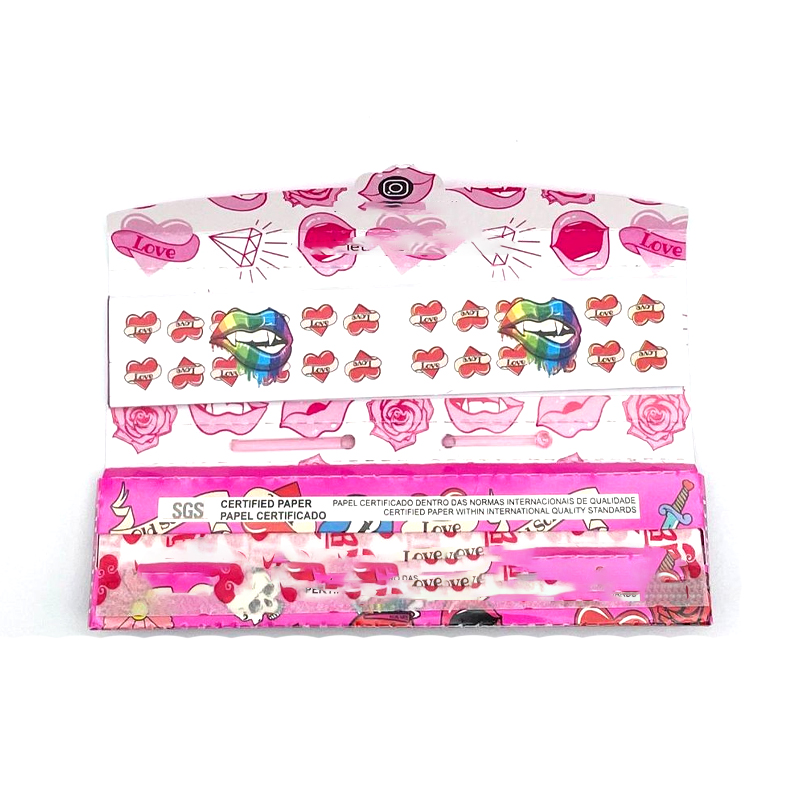
The importance of cone compatibility cannot be overstated in manufacturing environments where speed and precision intersect. When filter tips don't align properly with cone specifications, production lines slow down, employees spend time troubleshooting mechanical issues, and quality inconsistencies emerge. Understanding why cone compatibility matters and how filter fit impacts your operation will help you make informed material selections that protect your bottom line and reputation.
Cone compatibility refers to the precise alignment between cone dimensions, internal structure, and the filter tips designed to fit within them. When these elements work in harmony, your production line operates without mechanical resistance or manual intervention. Incompatible combinations force workers to hand-adjust materials, creating bottlenecks that cascade through your entire operation. The result is lost throughput, increased labor costs, and higher defect rates that directly impact profitability.
Production consistency improves dramatically when every cone accepts its filter tip without friction or gaps. Machines designed for standard specifications can run continuously without jamming or stalling. This mechanical harmony means your team focuses on monitoring output rather than fixing equipment failures, which translates to predictable scheduling, reduced downtime, and the ability to meet customer commitments reliably.
Filter fit quality directly influences whether your final products meet customer expectations and regulatory standards. Poor filter fit creates loose integration points where material can shift, causing uneven burns, inconsistent draw resistance, or visible defects. Conversely, when filter fit is precise, each product delivers uniform performance that builds customer trust and reduces returns. Quality control teams can confidently sign off on batches when cone compatibility and filter fit have been validated upstream.
When pre-roll cones with filter tips lack proper compatibility, production bottlenecks appear immediately. Filters that are too large jam in cone openings, halting automated equipment. Filters that are too small create gaps, allowing material to escape or allowing filters to shift during packing. Each scenario forces manual intervention, reduces machine utilization rates, and creates scheduling unpredictability. Operators spend time clearing jams, resetting equipment, and hand-packing product that should flow through the line automatically.
The cost of these bottlenecks extends beyond direct labor. When production lines stall, overtime becomes necessary to meet output targets, quality suffers as rushed corrections introduce errors, and staff morale declines from frustration with equipment that doesn't work reliably. The cumulative financial impact of poor cone compatibility often exceeds the cost difference between low-quality and premium materials.
Quality control systems often flag defects that trace back to underlying cone compatibility problems. Products with loose filters, misaligned components, or visible gaps typically fail inspection and must be reworked or discarded. This waste represents lost material costs plus the expense of reprocessing. When cone compatibility is poor, your quality control department spends resources catching preventable defects rather than optimizing for excellence. Production consistency suffers because every batch carries uncertainty about whether filters will remain stable during packaging and transport.
The foundation of reliable production consistency begins with precise specification alignment between your cones and filter tips. Establish clear dimensional requirements, material tolerances, and performance benchmarks with your suppliers. Request certification data confirming that filter fit meets your standards before committing to large orders. Test sample batches on your production equipment to verify that cone compatibility works as expected under real operating conditions. This validation step prevents costly surprises once production volumes ramp up.
Work with suppliers who understand production consistency requirements and can maintain tight tolerances across multiple production runs. Inconsistent cone geometry or filter tip sizing undermines your quality control efforts regardless of how well you manage other variables. When suppliers deliver products with reliable cone compatibility, your production lines run predictably, your teams focus on optimization rather than troubleshooting, and your end products consistently meet customer expectations.
Implement ongoing monitoring systems that track filter fit performance across production batches. Document any instances where cone compatibility issues create bottlenecks, quality problems, or unexpected downtime. This data reveals patterns that might indicate supplier drift, equipment wear, or process changes that need correction. Regular audits of incoming materials confirm that filter fit remains within specification, preventing gradual degradation that might go unnoticed until problems become severe.
Maintain communication channels with your supplier regarding any cone compatibility concerns. Early notification allows them to adjust processes before problems spread across entire shipments. This collaborative approach to quality control protects both your operations and your supplier relationship, ensuring that production consistency remains a shared priority rather than an afterthought.
Tolerance ranges depend on your equipment specifications and production speed requirements. Typical industry standards require inner diameter tolerances of ±0.5mm to ±1mm for filter tips and cone openings, with length tolerances around ±1mm. Consult your equipment manufacturer's documentation for precise specifications, then communicate these requirements to your suppliers in writing. Testing sample batches on your actual production line provides the most reliable confirmation that cone compatibility meets your operational needs.
Implement incoming material inspection protocols that test filter fit on a sample basis before approving shipments. Conduct periodic audits of cone and filter dimensions using calibrated measurement tools. Document any instances where operators report difficulty with material flow, equipment jamming, or unusual defect patterns. Early detection of cone compatibility issues allows you to address problems with small batches rather than discovering problems after large volumes have already entered production.
Yes, material composition influences dimensional stability and filter fit characteristics. Cones manufactured from different paper stocks or with varying glue formulations can exhibit slightly different dimensions and structural properties that affect how filter tips seat within them. Choose cone and filter suppliers who work together to ensure compatibility across their entire product range. When switching between different cone materials or suppliers, test thoroughly before ramping production to confirm that filter fit remains consistent and production lines operate without unexpected issues.