EN
EN

why-cone-and-filter-tip-samples-should-be-tested-together, why-cone-and-filter-tip-samples-should-be-tested-together, /news
EN
2026/09/07
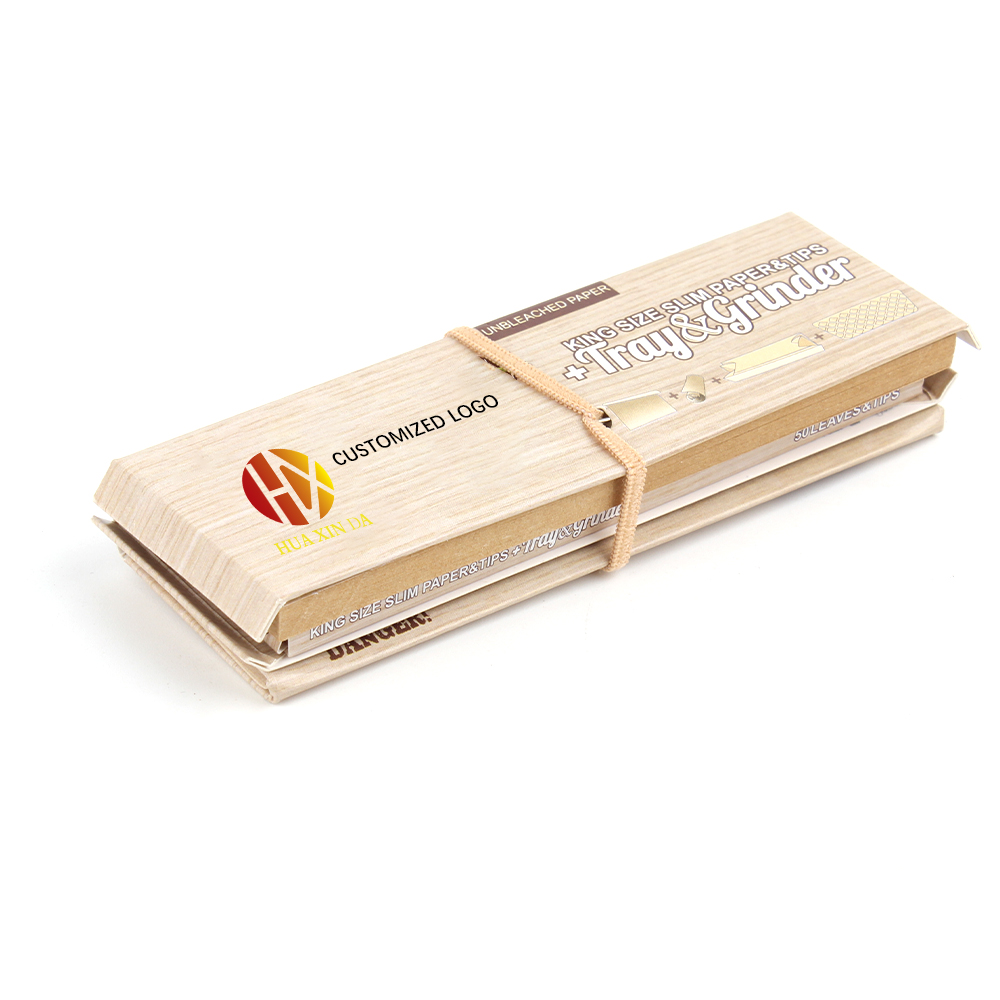
Testing pre roll cones with filter tips as a unified system represents a critical yet often overlooked step in product quality assurance. Many manufacturers and distributors treat cone and filter components as separate quality checkpoints, only to discover incompatibility issues after production or distribution. When you conduct sample testing on cones and filter tips independently, you miss the real-world interaction that determines customer satisfaction and regulatory compliance. The synergy between these two components—their fit, structural integrity, and functional performance—can only be accurately assessed when they are tested together in their actual use configuration.
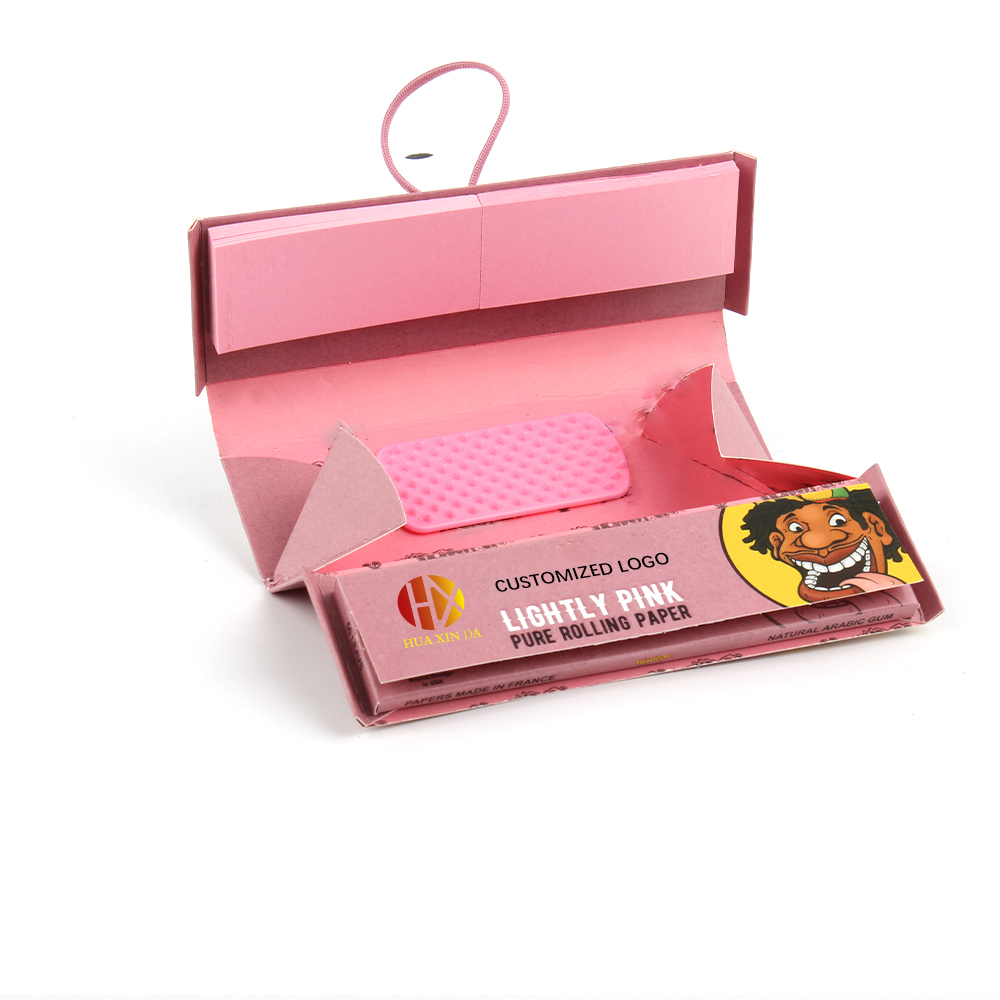
The importance of integrated testing extends beyond simple dimension verification. Your quality approval process must evaluate how materials interact under actual storage and user conditions, whether filter tips remain securely seated, and if cone walls maintain structural integrity when paired with specific filter designs. By adopting unified sample testing protocols, you establish baseline standards that reflect genuine market performance and customer expectations. This approach directly supports your business continuity and brand reputation in an increasingly competitive market.
Cone compatibility depends on precise dimensional tolerances that only reveal themselves during actual assembly and use simulation. When pre roll cones with filter tips sample units are tested separately, dimensional specifications may appear acceptable in isolation. However, cone compatibility issues emerge when you combine components that fall within acceptable individual tolerances but interact poorly together. Filter fit becomes the determining factor—if filter tips are slightly oversized or undersized relative to a particular cone batch, functionality suffers regardless of how well each component performs alone.
Sample testing that evaluates both elements simultaneously provides empirical data on insertion force, retention stability, and material deformation patterns. These metrics cannot be reliably predicted from separate component analysis. The cone wall thickness, paper composition, and adhesive properties all influence how filter tips integrate into the finished product. Similarly, filter material density, diameter tolerance, and insertion design directly affect how well they seat within cone openings. Your quality approval process gains credibility and accuracy when these variables are assessed within their operational context rather than in isolation.
Tolerance stacking represents one of the most common sources of failure when components are not tested together. If your cone supplier operates at the maximum tolerance specification and your filter supplier also operates at their maximum specification, the combined result can produce a unit that functions poorly despite both components meeting their individual standards. Sample testing of the integrated pre roll cones with filter tips sample configuration immediately identifies these problematic combinations before they reach your production line or customers.
Your quality approval framework must establish clear metrics for integrated sample testing that go beyond visual inspection. Filter fit should be measured for consistency—does the filter seat smoothly, remain secure during handling, and avoid excessive binding or movement? Cone compatibility testing should include stress tests that simulate consumer use patterns, storage conditions, and environmental exposure over expected product shelf life. When you test pre roll cones with filter tips sample units together, you can establish meaningful pass-fail criteria that reflect genuine customer experience.
Documentation from joint sample testing provides defensible evidence of quality standards to distributors, retailers, and regulatory bodies. If customer complaints arise, your testing records demonstrate that issues resulted from external factors rather than design or manufacturing defects. This protects your brand reputation and provides leverage in addressing supply chain disputes. Additionally, quality approval processes that include integrated testing often uncover design improvements that benefit both component suppliers and end users.
Different production batches from the same supplier often exhibit subtle variations in material properties and dimensional characteristics. When you test cone compatibility and filter fit only on individual components, these variations remain hidden until assembly occurs. Sample testing of the complete pre roll cones with filter tips sample configuration reveals batch-to-batch variability that could compromise product consistency. This information allows you to establish tighter controls with suppliers or identify alternative sourcing options before quality issues escalate.
Supply chain resilience improves significantly when your sample testing protocols include integrated assessment. If one supplier experiences production issues, you have baseline data showing how their components interact with alternatives from other suppliers. This flexibility becomes invaluable when supply disruptions occur. Your quality approval process transforms from a reactive inspection function into a strategic tool that supports business continuity planning.
Unified sample testing begins with clearly defined test scenarios that mirror real-world conditions. Your testing should include insertion simulations, retention stability measurements, and environmental stress tests where assembled units experience temperature fluctuations, humidity changes, and mechanical handling. Each test should document specific metrics—filter insertion force in grams, maximum pull-out force, visual deformation patterns, and functional integrity after environmental exposure. These quantifiable results provide objective evidence of cone compatibility and filter fit performance.
Documentation standards for sample testing must capture not only pass-fail outcomes but also the specific conditions under which units were tested. Recording supplier batch numbers, test dates, environmental conditions, and individual sample performance variations creates a comprehensive database that supports continuous improvement. This historical data allows you to identify trends, correlate quality issues with specific suppliers or production periods, and refine your quality approval process over time.
When suppliers understand that their components will be tested as part of an integrated system, they adjust manufacturing practices accordingly. Share your sample testing requirements and results with both cone and filter tip suppliers, establishing clear expectations for dimensional accuracy and material consistency. Pre roll cones with filter tips sample testing results should inform supplier scorecards and contract terms. This transparency creates mutual accountability and drives continuous improvement across your supply chain.
Regular communication about testing outcomes strengthens supplier relationships and accelerates problem-solving when issues arise. If particular batches perform poorly in integrated testing, immediate investigation with suppliers can identify root causes—whether related to material sourcing, equipment calibration, or process changes. This collaborative approach to quality approval often reveals insights that benefit both parties and improve overall product performance.
Effective sample testing measures insertion force consistency, filter retention stability, visual deformation after assembly, pull-out resistance, and functional integrity following environmental stress cycles. Additionally, measure dimensional compatibility, material interaction patterns, and any signs of paper degradation or adhesive failure where components interface. These metrics collectively demonstrate whether cone compatibility and filter fit meet your quality standards in operational conditions.
Testing frequency depends on production volume and supplier stability. High-volume manufacturers typically conduct sample testing on every production batch or on statistically significant samples from each batch. Lower-volume operations might test monthly or quarterly sample batches from each supplier combination. The key is establishing consistent testing schedules that catch variations early and provide ongoing evidence that your quality approval process remains effective and reliable.
Accelerated environmental testing simulates extended storage by exposing integrated units to temperature cycling, humidity fluctuations, and environmental stressors over compressed timeframes. While laboratory testing cannot replicate every real-world scenario, proper sample testing protocols using environmental chambers and stress simulation provide meaningful data about long-term performance. This information supports quality approval decisions and helps ensure that products maintain functionality throughout their expected shelf life and customer use period.