EN
EN

why-cone-shape-protection-matters-more-on-longdistance-shipments, why-cone-shape-protection-matters-more-on-longdistance-shipments, /news
EN
2026/08/04
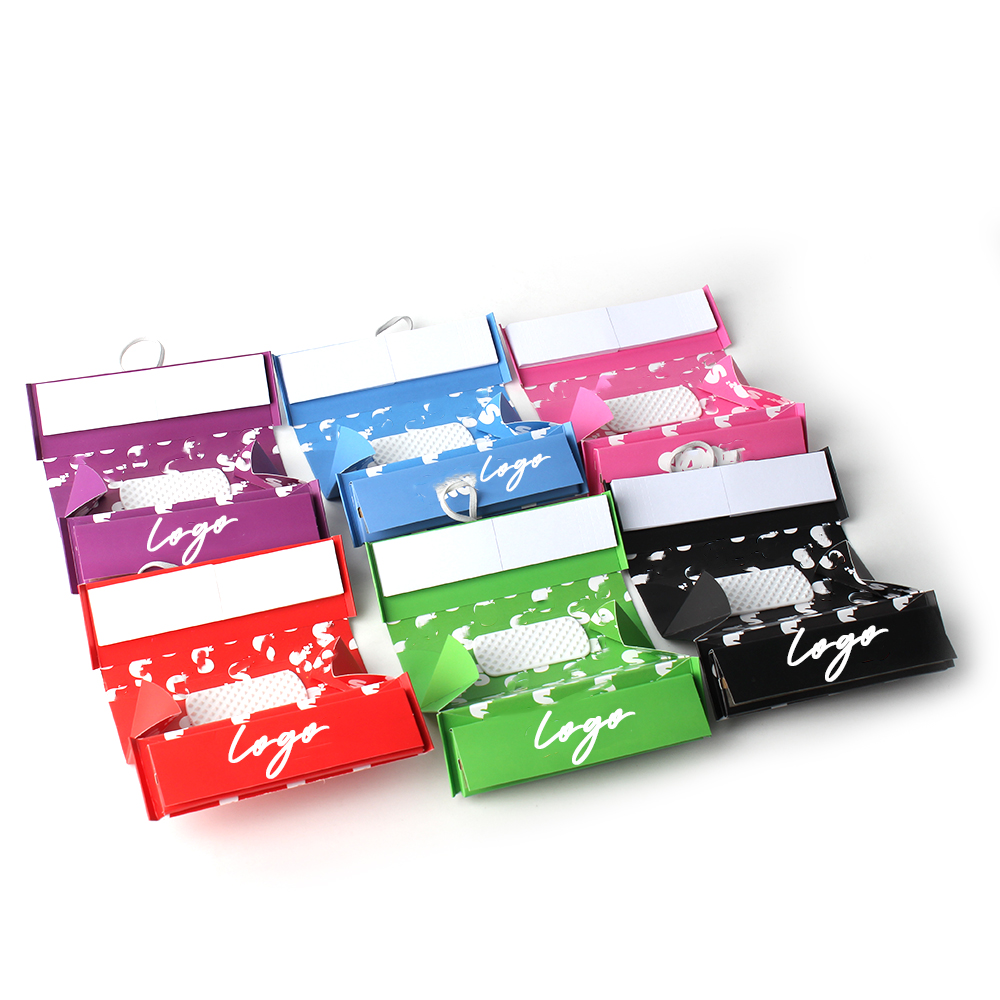
When you manage a pre rolled cones bulk order, the structural integrity of your shipment depends heavily on protective measures that go beyond standard packaging. Long-distance shipping presents unique challenges that expose products to compression forces, vibration, temperature fluctuations, and moisture exposure over extended periods. Understanding why cone shape protection matters is essential for businesses that rely on consistent product quality upon delivery, especially when shipping across regions or internationally.
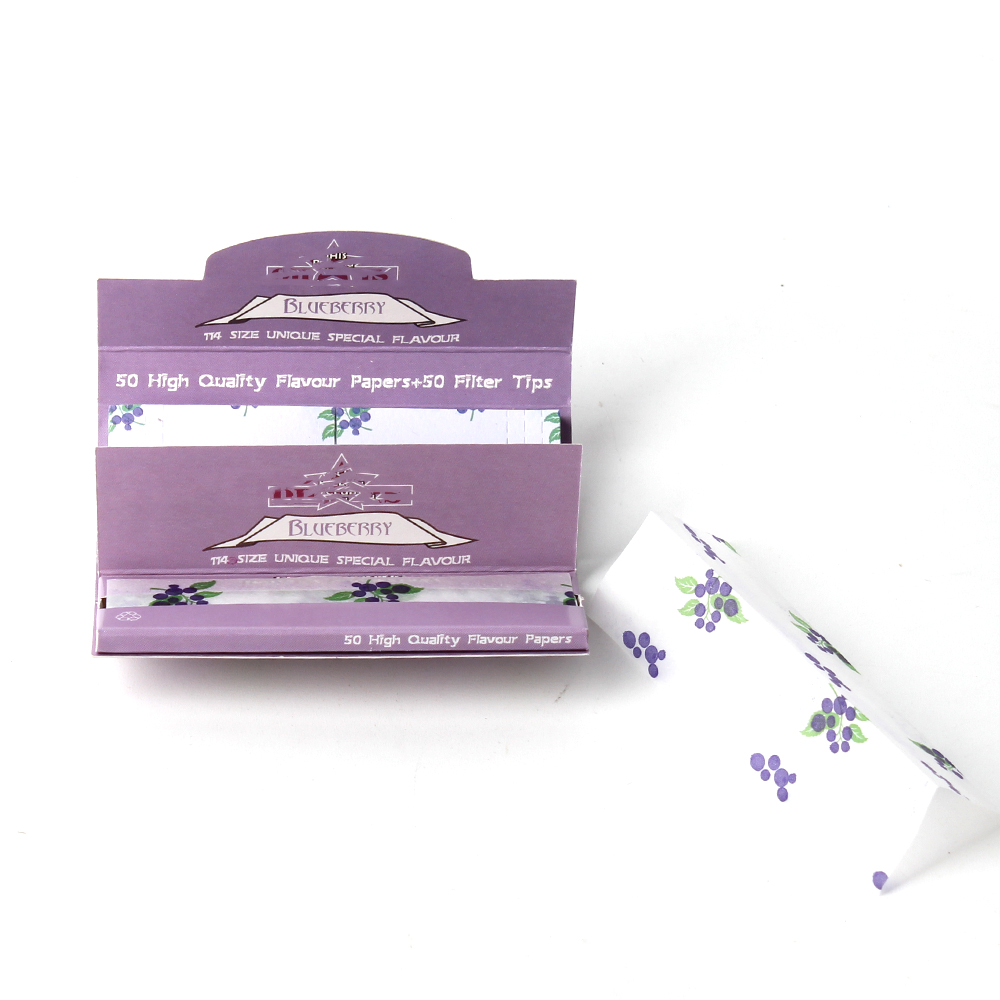
The geometry of cone shapes creates natural vulnerabilities during transit. Unlike rigid cylindrical or rectangular forms, cones taper toward a point, meaning the apex becomes a pressure concentration zone where crushing forces accumulate. During long-distance shipping, bulk orders face repeated impacts from handling equipment, vehicle acceleration and braking, and stacking pressure from other cargo. Proper shape protection systems counteract these forces by distributing stress evenly across the cone surface, preventing point-load failures that would compromise your entire shipment's quality and marketability.
The conical form presents distinct challenges that flat or cylindrical packages do not face. When cones are stacked or compressed from multiple directions during long-distance shipping, the apex experiences disproportionate stress. Shape protection addresses this by creating a buffer zone that absorbs impact energy and redistributes force across a wider surface area. This is particularly critical for bulk orders, where hundreds or thousands of units are packed together, multiplying the cumulative pressure on individual items at lower layers of the shipment.
Environmental factors during long-distance shipping compound shape vulnerabilities. Temperature changes cause materials to expand and contract differently, while humidity penetration can weaken structural integrity. Shape protection systems using rigid or semi-rigid materials create a microclimate that stabilizes conditions around each cone unit, reducing the risk of deformation, cracking, or surface damage that occurs when protective layers fail to maintain dimensional consistency.
Effective cone logistics depends on packaging architecture that anticipates real-world transit conditions. Dividers, spacers, and rigid inserts prevent direct contact between cones, eliminating friction-based wear and crushing damage that accumulates over long-distance routes. For bulk orders shipped via truck, rail, or multimodal transport, protective interior packaging must account for vibration frequencies specific to each transport mode. A well-designed shape protection system incorporates corner guards, edge protectors, and internal void fill that work together to maintain cone alignment throughout the journey.
Long-distance shipping extends the window during which damage can occur. A shipment traveling across a continent or between continents experiences dozens of handling events, each introducing opportunities for impact, abrasion, and pressure damage. Bulk orders face exponentially higher risk because multiple units concentrated in one container means any protective failure affects numerous items simultaneously. Shape protection becomes the differentiator between arriving with acceptable quality and delivering compromised products that reduce customer satisfaction and profitability.
The economics of long-distance shipping make shape protection a cost-effective investment rather than an expense. A shipment loss rate of even 2 percent on a bulk order can exceed the cost of enhanced protective packaging. Carriers also impose surcharges or refuse to insure shipments lacking adequate protection, making robust shape protection systems a prerequisite for competitive shipping rates on long-distance routes.
Many carriers establish minimum protection standards for bulk orders traveling long distances, particularly across international borders. Shape protection documentation may be required to confirm compliance with handling guidelines and insurance underwriting conditions. Failing to meet these standards results in rejected shipments, delayed deliveries, or coverage denials if damage occurs. Long-distance shipping through regulated industries often requires certification that protective measures meet industry-specific durability and safety benchmarks, making shape protection systems an operational necessity rather than optional enhancement.
Choosing appropriate materials for shape protection depends on cone logistics requirements specific to your long-distance shipping environment. Rigid plastic inserts offer superior crush resistance for bulk orders stacked under heavy compression loads. Foam-based protection provides shock absorption for vibration-heavy routes, while corrugated dividers offer cost efficiency for moderate protection needs. The optimal approach often combines multiple material types within a single protective system, with rigid components handling point loads and flexible materials absorbing distributed impact during long-distance transit.
Material compatibility matters significantly for shape protection in long-distance shipping. Protective layers must not chemically interact with cone surfaces or create off-gassing that affects product quality. Testing under representative temperature and humidity conditions ensures protective materials maintain their dimensional and protective properties throughout the anticipated long-distance shipping duration, preventing degradation that would compromise effectiveness mid-journey.
Effective shape protection design balances protective capacity against shipment volume constraints. Overly thick protective layers reduce the quantity of product per shipment, raising per-unit costs and reducing efficiency on long-distance routes. Advanced shape protection systems use engineered geometry to maximize protection with minimal material, incorporating ribbed designs, hollow sections, and strategic reinforcement at high-stress points. For bulk orders, this precision engineering compounds across thousands of units, generating significant cost savings while maintaining superior protection throughout long-distance shipping.
Integration with standard container systems ensures shape protection solutions work seamlessly within existing logistics infrastructure. Protective components designed to fit within standard pallet dimensions, shipping containers, and handling equipment minimize logistical complications for long-distance shipping. Bulk orders benefit from standardized shape protection systems that carriers and freight handlers recognize and trust, reducing handling damage and expediting transit timelines.
Shape protection prevents apex crushing, surface abrasion, dimensional warping, and internal fracturing caused by compression forces and vibration during long-distance shipping. For bulk orders, protection systems specifically guard against point-load damage that occurs when multiple cones stack under carrier equipment pressure, ensuring product arrives intact and marketable regardless of routing complexity or handling intensity.
While shape protection adds material costs, it reduces damage-related losses, returns, and carrier surcharges that typically exceed the protective investment. Long-distance shipping of bulk orders becomes more economical with proper shape protection because reduced damage rates lower per-unit losses and improve customer satisfaction, increasing repeat orders and reducing overall operational expenses related to quality failures.
Standard packaging often proves insufficient for long-distance shipping of bulk orders because it fails to address cone-specific vulnerabilities like apex concentration and geometric weakness. Specialized shape protection systems engineered specifically for cone geometry provide the targeted reinforcement necessary to withstand cumulative stresses during extended transit, making them essential rather than optional for professional cone logistics operations.