EN
EN
why-custom-packaging-should-be-planned-with-coneandtip-specs, why-custom-packaging-should-be-planned-with-coneandtip-specs, /news
EN
2026/08/03
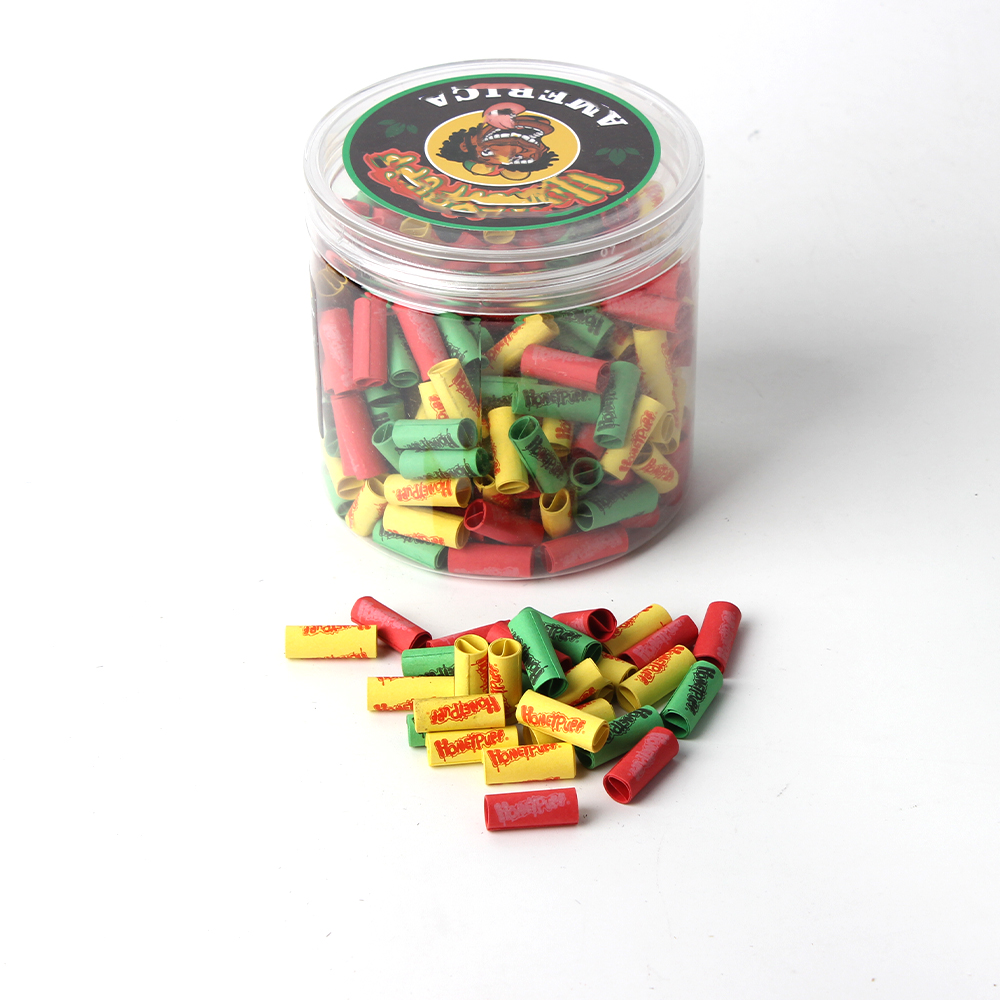
Custom packaging decisions are never trivial in the cannabis and specialty smoking product industry. When you manufacture pre-roll cones with filter tips, your packaging strategy directly impacts product protection, brand perception, regulatory compliance, and customer experience. The challenge is that most manufacturers approach packaging as an afterthought, only to discover that their cone specs and filter specs don't align with available packaging solutions or regulatory requirements. This misalignment wastes time, increases costs, and compromises product integrity before your offering ever reaches the market.
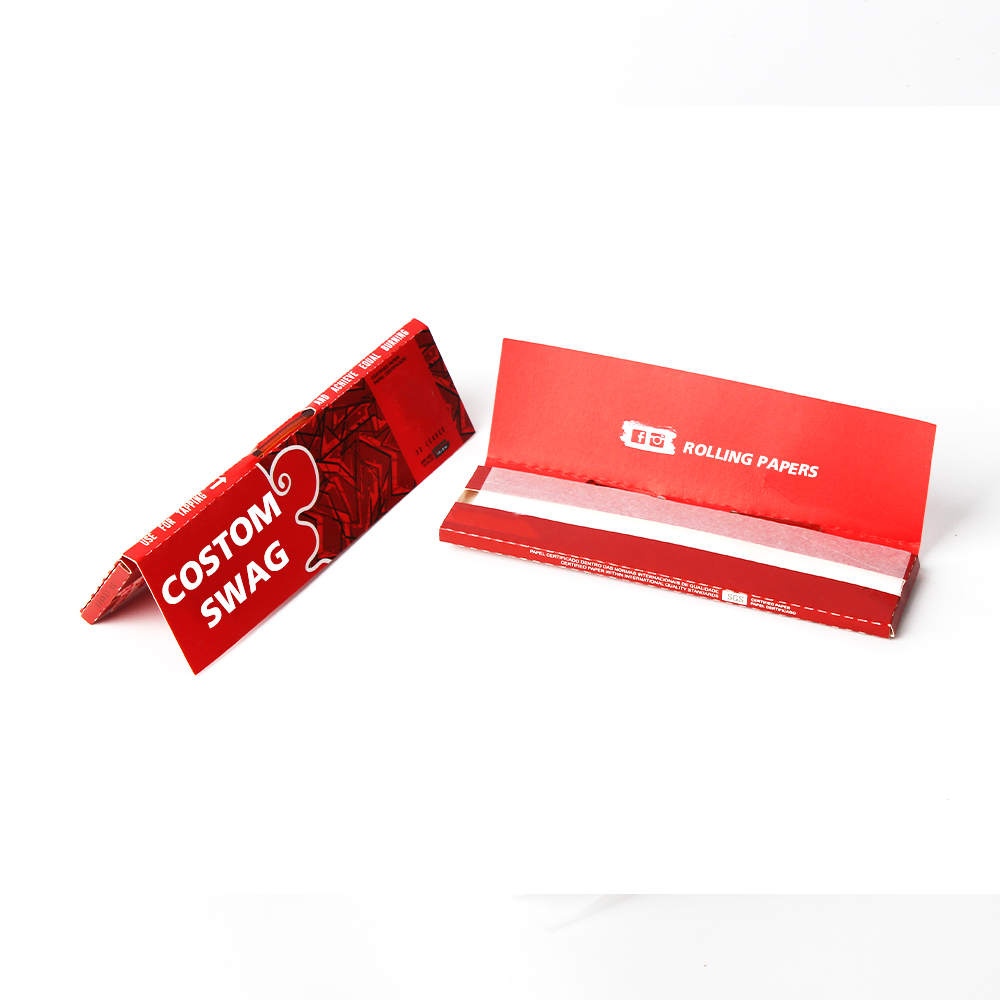
Successful product development requires that custom packaging planning begin alongside your cone specs development, not after manufacturing decisions are locked in. When you design pre-roll cones with filter tips, you must consider how dimensions, materials, and functionality translate into packaging requirements. This forward-thinking approach ensures your product development timeline moves efficiently and your final offering meets both market expectations and operational feasibility.
Cone specs are the foundation of your entire product development roadmap. The diameter, length, wall thickness, and filter tip dimensions determine what kind of packaging containers, inserts, and protection systems will work. If your cone specs call for a 109mm length with a wide base and integrated filter specs that add 2mm to the overall package profile, these measurements dictate the interior dimensions of your custom packaging boxes. Undersizing your packaging to save costs creates crushing risk and customer dissatisfaction. Oversizing it wastes material and shipping expense.
Filter specs are equally critical. The filter tip diameter, composition, and how it integrates with the cone body affects how cones stack, how they nest in packaging, and whether protective inserts are necessary. Custom packaging must account for filter specs that prevent tipping, rolling, or damage during storage and transit. Many manufacturers discover too late that their filter specs require custom inserts or dividers, adding weeks to production timelines and unexpected costs to product development budgets.
Effective product development begins by understanding your end-market regulatory environment and customer expectations. Different jurisdictions have specific labeling, child resistance, and packaging material requirements. Your custom packaging strategy must accommodate these constraints from day one. When you establish cone specs and filter specs without considering regulatory packaging requirements, you risk designing a product that cannot be legally sold in your target markets. This oversight delays product development by months and requires expensive redesigns.
Smart product development integrates flexibility into custom packaging design. Your cone specs and filter specs should be paired with modular packaging that accommodates volume scaling, seasonal variations, and market testing iterations. Rather than committing to a single rigid packaging configuration, work with your packaging partner to define variable options within your product development timeline. This approach reduces financial risk, accelerates market entry, and allows you to test different packaging presentations without halting production.
Your cone specs and filter specs determine not just packaging dimensions but also material choices. If your cones contain moisture-sensitive components or premium filter tips requiring humidity control, your custom packaging must incorporate moisture barriers or protective liners. Paper-based cones and filter specs demand different material considerations than plastic or composite formulations. Product development teams that ignore this connection waste resources on packaging that fails to protect the product or that contradicts the premium positioning your cone specs and filter specs suggest.
Coordinating cone specs, filter specs, and custom packaging early in product development unlocks cost advantages. When packaging designers understand your exact cone dimensions and filter specifications, they can optimize packaging materials, printing techniques, and manufacturing processes. This collaboration often reduces per-unit packaging costs by 15% to 25% compared to retrofitting packaging around already-manufactured products. Product development budgets benefit significantly when cone specs and filter specs inform packaging strategy rather than the reverse.
Packaging requirements, regulatory constraints, and cost implications discovered late in product development force expensive cone spec changes or create packaging that inadequately protects your cones and filter tips. Planning together ensures your specifications align with manufacturing reality, market regulations, and customer expectations from the outset.
Filter specs determine stack stability, product movement inside packaging, protection requirements, and whether custom inserts are needed. Larger filter tips may require deeper boxes or specialized dividers. Rigid filter designs may prevent traditional packaging compression. Custom packaging must account for these filter specifications to prevent damage and maintain product quality during storage and distribution.
When custom packaging planning is integrated into initial cone specs and filter specs development, typical product development timelines compress by 4 to 8 weeks compared to sequential planning. Integrated planning reduces packaging-related delays, minimizes specification revisions, and accelerates time-to-market for your pre-roll cones with filter tips.