EN
EN

why-dimensional-consistency-matters-in-bulk-preroll-cones, why-dimensional-consistency-matters-in-bulk-preroll-cones, /news
EN
2026/08/05

In the cannabis and tobacco rolling industry, precision is everything. When operators manage a pre rolled cones bulk order, they quickly discover that dimensional consistency directly impacts production efficiency, customer satisfaction, and operational costs. Cones that vary in size, wall thickness, or weight create bottlenecks in filling equipment, increase waste rates, and ultimately damage brand reputation. Understanding why dimensional consistency matters is essential for any business relying on bulk cones for commercial production.
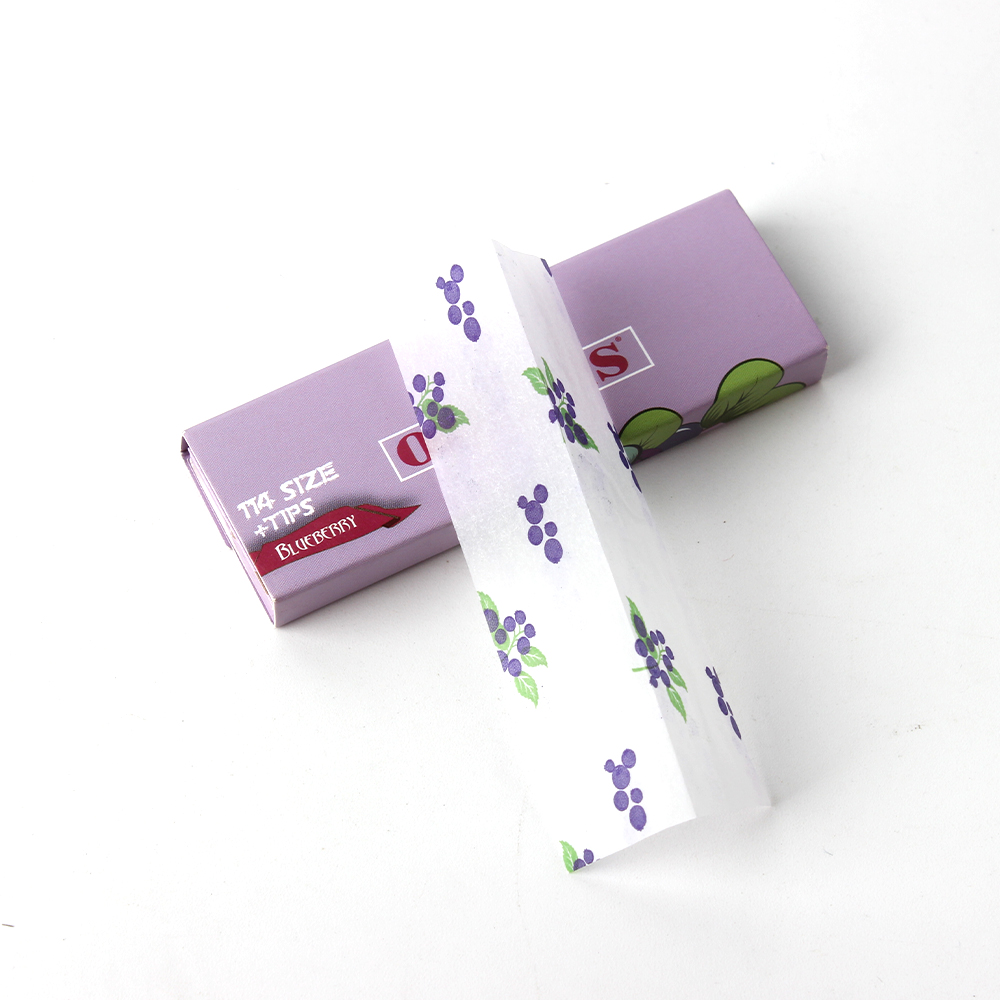
Dimensional consistency in bulk cones refers to the uniformity of physical specifications across an entire production batch. This includes cone length, diameter, wall thickness, and weight distribution. When bulk cones maintain tight dimensional tolerances, they integrate seamlessly into automated filling systems, reduce downtime, and ensure each finished product meets consumer expectations. For manufacturers scaling production, investing in suppliers who prioritize dimensional consistency transforms operational reliability and profitability.
Automated filling equipment is calibrated to precise cone dimensions. When bulk cones arrive with inconsistent measurements, filling heads may jam, dispense incorrect product quantities, or damage cone integrity. Machines designed for cones with uniform wall thickness and diameter struggle when material varies batch to batch. This mechanical incompatibility forces operators to manually adjust equipment settings, slowing production runs and increasing labor costs. Dimensional consistency eliminates these friction points, allowing automated filling systems to operate at their designed capacity without interruption.
Consistent cone dimensions directly correlate with production speed. When bulk cones meet exact specifications, filling equipment can run continuously without adjustment cycles or quality checks between batches. Machines that encounter variable cone sizes must pause for recalibration, consuming valuable production time. Quality control teams report that even minor dimensional variance—such as a 0.5mm diameter difference—can reduce throughput by 15–20 percent. For commercial operations processing thousands of cones daily, dimensional consistency translates into measurable gains in output and revenue per hour.
End consumers expect consistency. When pre-rolled products vary noticeably in appearance, weight, or burn characteristics, customers perceive lower quality and may switch to competitors. Dimensional consistency in bulk cones ensures that each finished product looks professional, feels balanced in hand, and performs reliably. This uniformity builds trust and repeat purchases. Retailers and distributors also favor suppliers whose bulk cones minimize visual defects or structural irregularities, as these issues reflect directly on their brand positioning in the market.
Non-uniform bulk cones generate waste at multiple stages. Filling equipment rejects misaligned or oversized cones, increasing material loss. Inconsistent wall thickness leads to cone rupture during filling or handling, destroying products before they reach the customer. Dimensional consistency reduces rejection rates and material waste, lowering per-unit production costs. Additionally, suppliers who maintain tight tolerances eliminate the need for manufacturers to hold excess safety stock, freeing up warehouse space and reducing inventory carrying costs. Over large bulk orders, these savings compound significantly.
When sourcing bulk cones, manufacturers should request detailed specification sheets that document dimensional tolerances. Leading suppliers provide measurement data for cone length, outer diameter, inner diameter, and wall thickness, often verified through third-party testing. Dimensional consistency capability reflects a supplier's investment in quality control and manufacturing discipline. Reputable vendors specify tolerance ranges—such as ±0.2mm on diameter—and stand behind their claims. Before placing large bulk orders, verify that suppliers conduct statistical process control testing and maintain batch-level traceability records.
Partnering with suppliers who prioritize dimensional consistency in bulk cones creates operational stability over time. When you can rely on consistent material, you avoid the hidden costs of equipment adjustments, production delays, and quality rework. Suppliers committed to dimensional consistency invest in modern machinery, regular calibration, and employee training. This commitment reduces surprise batch failures and enables you to plan production schedules with confidence. Building these relationships ensures your business can scale smoothly as demand grows.
Inconsistent bulk cones force filling machines to work harder, adjusting for size variations and applying extra pressure to misaligned cones. This accelerates wear on mechanical components, shortening equipment lifespan and increasing maintenance costs. Dimensional consistency allows machines to operate within design parameters, reducing strain and extending service intervals significantly.
Premium suppliers typically maintain dimensional consistency tolerances of ±0.1–0.3mm on critical measurements like diameter and length. These tight ranges ensure reliable automated filling and consistent finished products. Always request tolerance specifications before committing to a bulk order, and verify that suppliers can document compliance through quality testing records.
Manual correction is time-consuming and expensive, requiring operators to hand-sort cones or make equipment adjustments. Some manufacturers use secondary screening processes, but these add cost and delay production. The most efficient approach is sourcing bulk cones with dimensional consistency built in from the supplier, eliminating the need for rework entirely.