EN
EN

why-export-packing-matters-for-preroll-tip-shape-stability, why-export-packing-matters-for-preroll-tip-shape-stability, /news
EN
2026/08/31
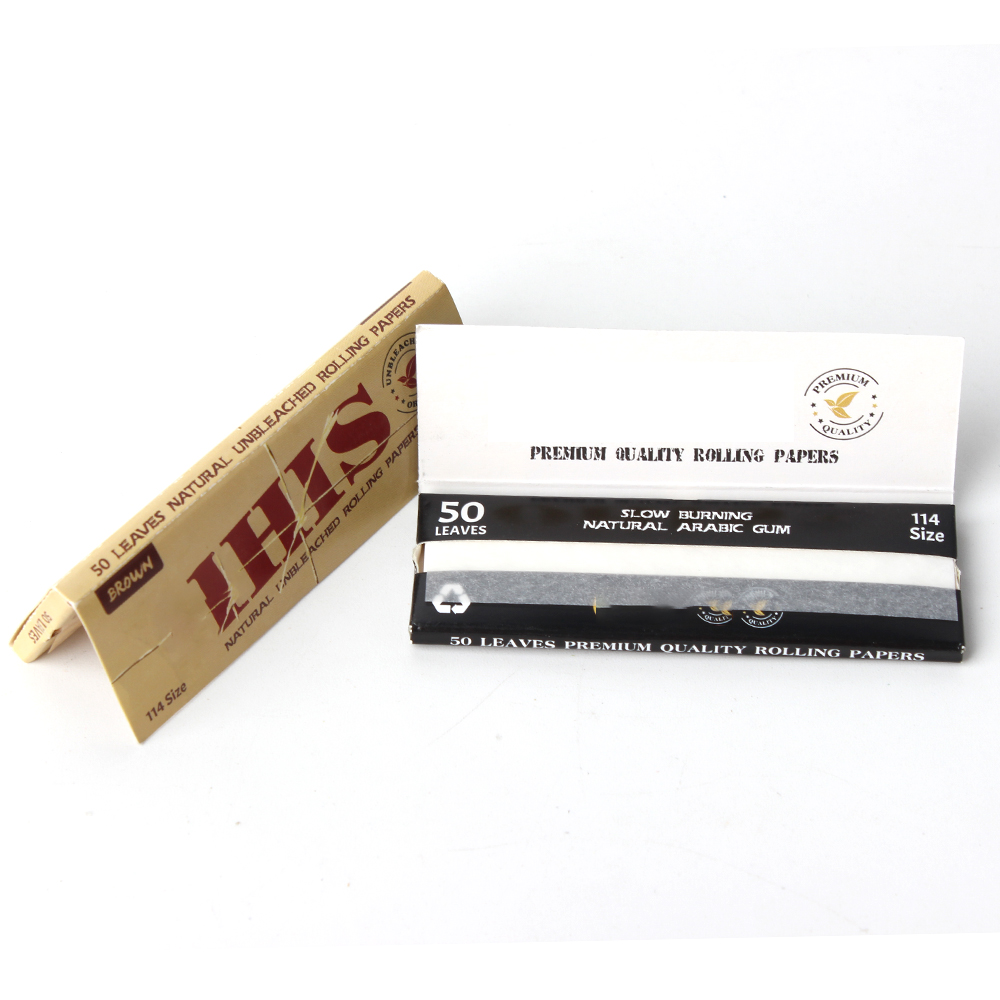
When manufacturers and distributors ship pre rolled tips across international borders, the packaging strategy becomes a critical determinant of product quality upon arrival. Export packing is not simply about placing items in a box; it represents a comprehensive approach to protecting pre rolled tips from mechanical stress, environmental changes, and handling damage throughout the supply chain. Without proper export packing, rolling tips can lose their structural integrity, become misshapen, or develop defects that render them unsuitable for end users. This article explores why export packing matters profoundly for maintaining shape stability in pre rolled tips during global shipments.

Shape stability in rolling tips depends on multiple factors working together during the export journey. Compression forces, temperature fluctuations, and humidity exposure all threaten the delicate geometry that makes pre rolled tips functional. Effective export packing combines material selection, structural design, and environmental control to ensure that each product arrives at its destination with its original form and performance characteristics intact. Understanding these principles helps businesses minimize returns, reduce customer complaints, and maintain their reputation in competitive markets.
Pre rolled tips are cylindrical products designed with precise dimensions and wall thickness. During international shipping, packages experience vibration, stacking pressure, and impact forces that can deform these delicate structures. Export packing uses multiple protective layers, including foam cushioning, air-filled pillows, and rigid corrugated outer boxes to absorb and distribute these mechanical stresses. When packages are stacked in shipping containers, the weight of upper boxes can compress rolling tips underneath if insufficient padding exists. Proper export packing prevents this compression by maintaining structural separation between products and container walls, ensuring shape stability throughout the entire journey from warehouse to customer.
Shipping containers expose products to varying humidity levels, temperature swings, and salt spray in maritime environments. Pre rolled tips, especially those made from cellulose or organic materials, absorb moisture and become brittle or warped when humidity exceeds optimal ranges. Advanced export packing incorporates moisture barriers, desiccant packets, and sealed inner packaging to maintain consistent environmental conditions. Rolling tips enclosed in moisture-resistant materials experience minimal dimensional change, preserving their shape stability regardless of external weather conditions during the voyage. Material compatibility is equally important; packing materials must not chemically react with or degrade the pre rolled tips, ensuring the products remain pristine when opened.
Effective export packing employs a tiered approach with inner, middle, and outer protective layers. The innermost layer holds individual pre rolled tips or small bundles, using tissue paper or plastic wrapping to prevent surface contact and preserve finish quality. The middle layer surrounds these inner packages with foam sheets, corrugated dividers, or plastic blisters that absorb shock and prevent movement during transit. Shape stability for rolling tips is preserved by this middle layer, which keeps products immobilized and prevents rolling or shifting. The outer layer consists of rigid corrugated boxes with reinforced corners and sealed edges, providing structural integrity against crushing, dropping, and rough handling. This layered architecture transforms export packing from a cost center into a value-protecting investment.
Different pre rolled tips materials require tailored export packing solutions. Cellulose-based rolling tips benefit from oxygen-absorbing packets that prevent oxidation and discoloration during long sea voyages. Hemp or pre-rolled tips made from plant fibers require stronger protection against moisture ingress, achieved through vacuum-sealed inner packages or specialized barrier films. Export packing specialists select materials based on product composition, voyage duration, and destination climate. Shape stability is directly tied to these material choices; inadequate packing may save short-term costs but leads to damaged products, customer returns, and brand reputation loss. Investing in appropriate rolling tips packing materials ensures reliable product arrival and customer satisfaction, ultimately reducing total landed costs when accounting for returns and replacements.
Export packing for pre rolled tips must comply with international standards set by organizations like ISTA (International Safe Transit Association) and FEFCO (European Federation of Corrugated Board Manufacturers). These standards define minimum requirements for packaging design, material strength, and protective measures based on hazard analysis and shipping distance. Rolling tips destined for specific regions may require additional certifications or restricted materials; for example, some countries limit plastics or require sustainably sourced packing components. Compliance ensures that export packing meets regulatory expectations and provides documented evidence of protective measures. Shape stability documentation becomes important when disputes arise; proper export packing methods with certified testing create liability protection and demonstrate due diligence in product care.
Before implementing export packing protocols at scale, manufacturers conduct drop tests, vibration testing, and climate chamber trials to validate protective effectiveness. These tests simulate real shipping conditions and confirm that pre rolled tips maintain shape stability throughout the journey. A package subjected to multiple drops from increasing heights must demonstrate that rolling tips inside remain undamaged and retain their original dimensions. Vibration testing replicates the continuous motion experienced during truck transport and ocean shipping, revealing whether packing components stay effective over extended periods. Climate testing exposes packages to temperature and humidity cycles that mimic actual export routes, confirming that shape stability is preserved despite environmental stress. These validation steps transform export packing from assumption into verified protection, giving manufacturers and customers confidence in product integrity.
Export packing protects pre rolled tips shape through multiple mechanisms: foam cushioning absorbs shock from container drops and rough handling, moisture barriers prevent humidity-induced warping, desiccant packets maintain stable internal humidity, and rigid outer boxes resist crushing when containers are stacked. The sealed, multi-layered design immobilizes rolling tips and prevents mechanical deformation during weeks-long ocean voyages. Shape stability is preserved because each protective layer addresses a specific threat, and together they create a controlled microenvironment that maintains product geometry from factory to destination.
Effective export packing materials include corrugated cardboard for outer boxes (providing structural strength), expanded polystyrene or polyethylene foam for shock absorption, kraft paper or tissue for inner wrapping, moisture barrier films (polyester or polypropylene laminates), and desiccant packets for humidity control. Material selection depends on rolling tips composition, voyage duration, and destination climate. For shape stability of cellulose-based pre rolled tips, combining moisture barriers with oxygen absorbers provides optimal protection against both physical damage and material degradation during international shipping.
Yes, investing in proper export packing is cost-effective even for small manufacturers when calculated holistically. While premium materials increase per-unit packaging costs by 10–20%, they reduce product damage rates significantly, minimize costly customer returns, prevent reputational harm, and enable competitive positioning in quality-conscious markets. Small manufacturers shipping pre rolled tips internationally typically recover packing investments within two to three shipments through reduced loss rates and improved customer retention. Additionally, proper export packing with rolling tips documentation supports premium pricing and customer loyalty, making it a strategic business advantage rather than a pure expense.